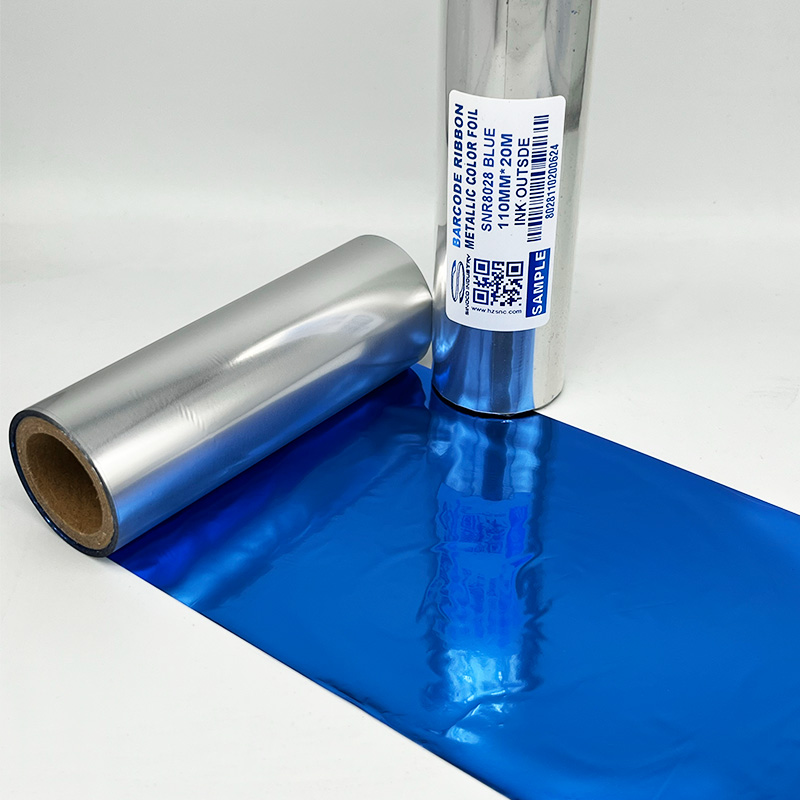
When Print Goes Pale: Diagnosing and Fixing Faint Thermal Transfer Ribbon Output A bride-to-be opens a box of personalized wedding ribbons bearing the couple's names and wedding date in elegant gold metallic print — only to find the text fain...
VIEW MORE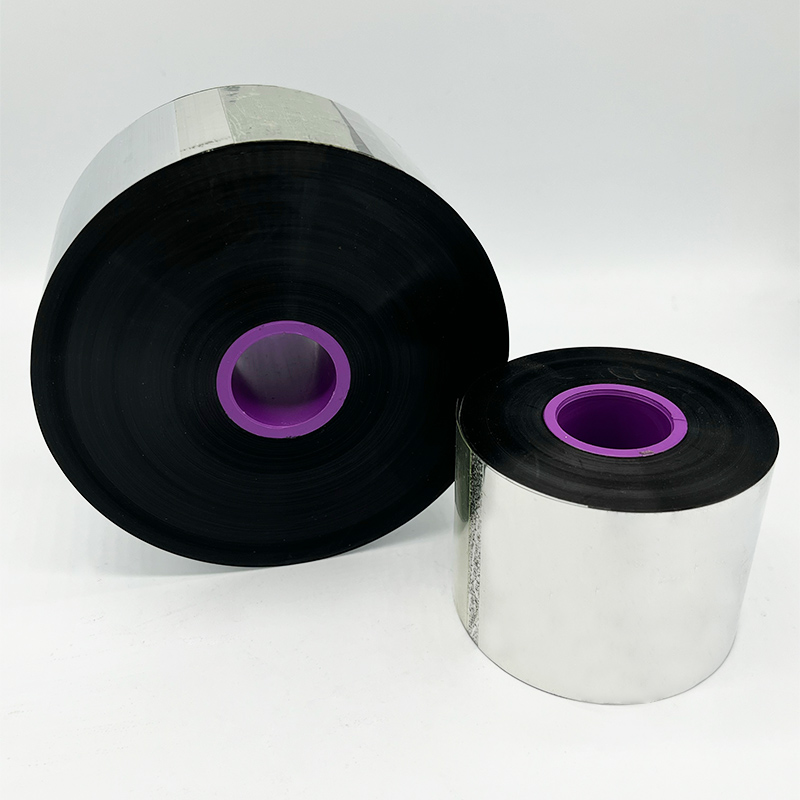
Print at Line Speed: Why TTO Ribbons Are the Backbone of Real-Time Packaging Marking Flexible packaging lines producing snack bags, pharmaceutical blister packs, frozen food pouches, and personal-care sachets require variable data — batch cod...
VIEW MORE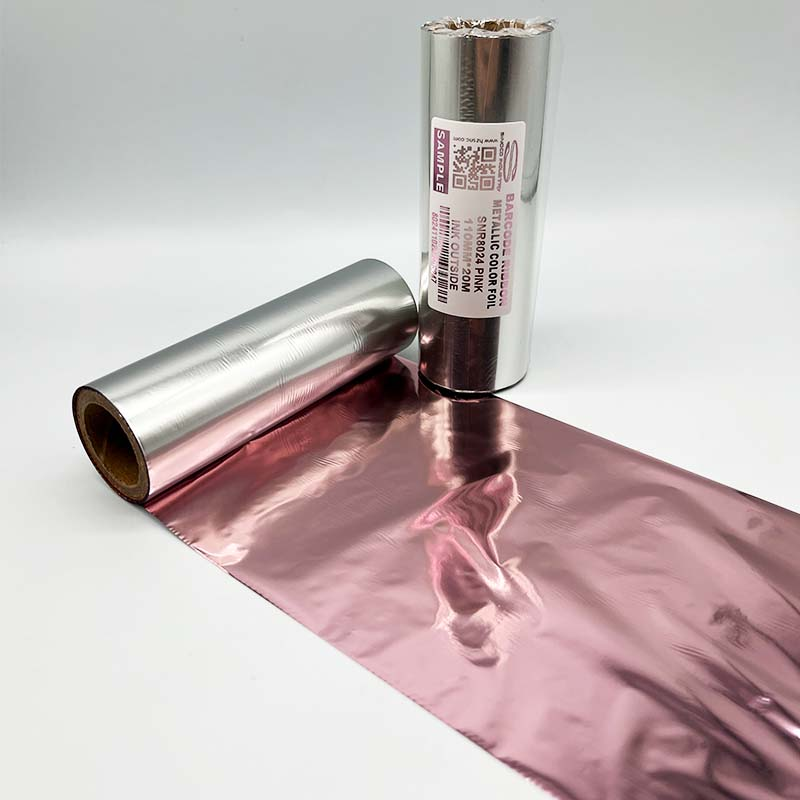
Why Metalized Ribbons Elevate Perceived Luxury and Unboxing ExperienceHow Reflectivity, Sheen, and Tactile Texture Drive Emotional ResponseMetalized ribbons engage multiple senses to trigger an immediate luxury response. Their reflective surface mimi...
VIEW MORE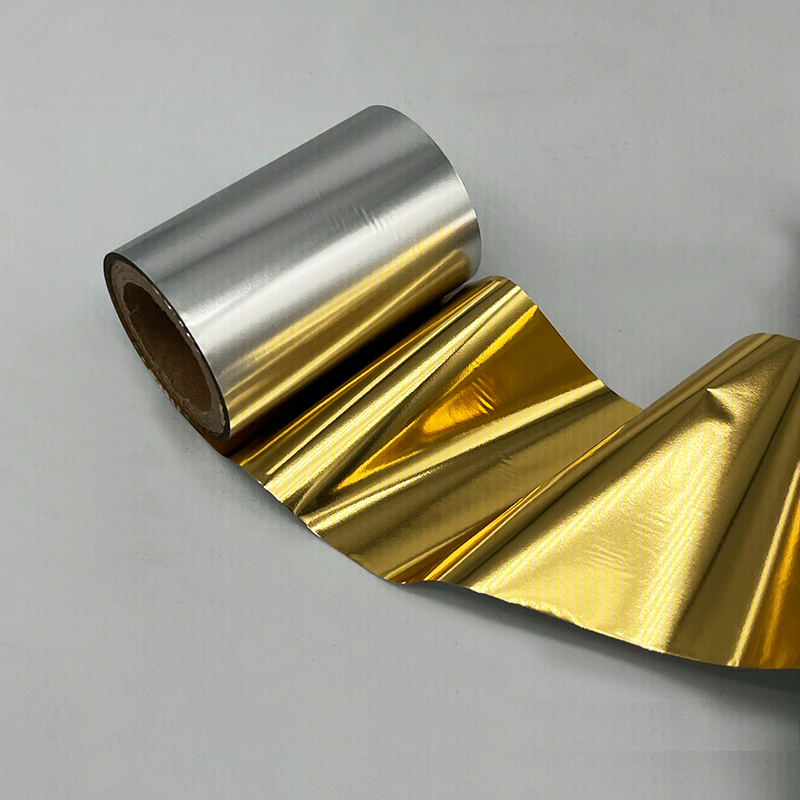
Heat or Ribbon: Choosing Between Direct Thermal and Thermal Transfer for Your Labeling Workflow Two thermal printing technologies dominate the labeling industry, and they are not interchangeable. Direct thermal printing uses heat-sensitive paper th...
VIEW MORE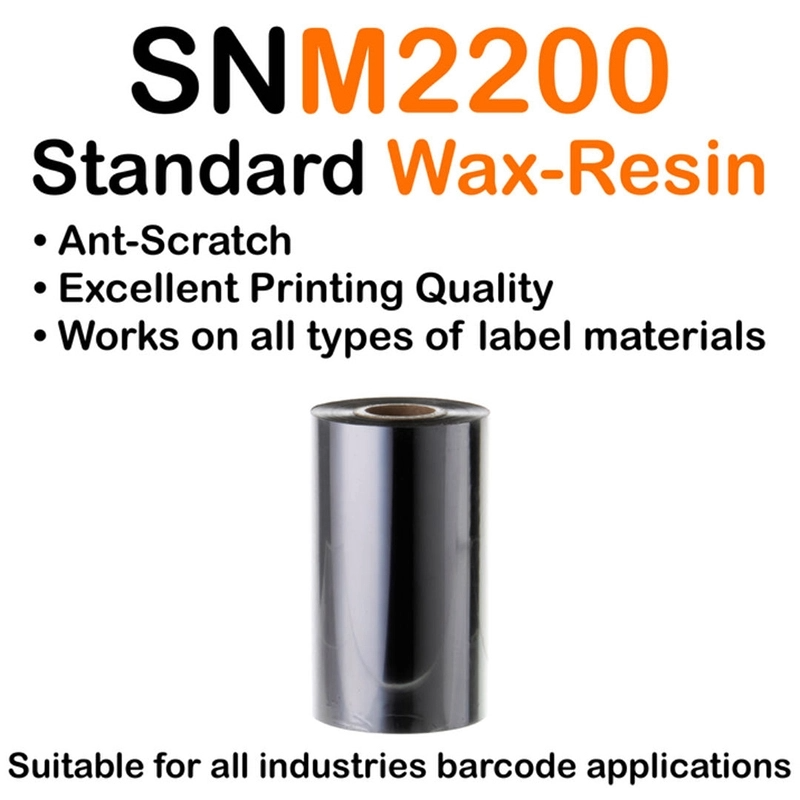
Ink by the Meter: Matching Thermal Transfer Ribbon Chemistry to Your Labeling Reality Thermal transfer printing works by melting a ribbon coating onto a substrate through precisely controlled heat from a printhead. The coating chemistry — wax...
VIEW MORE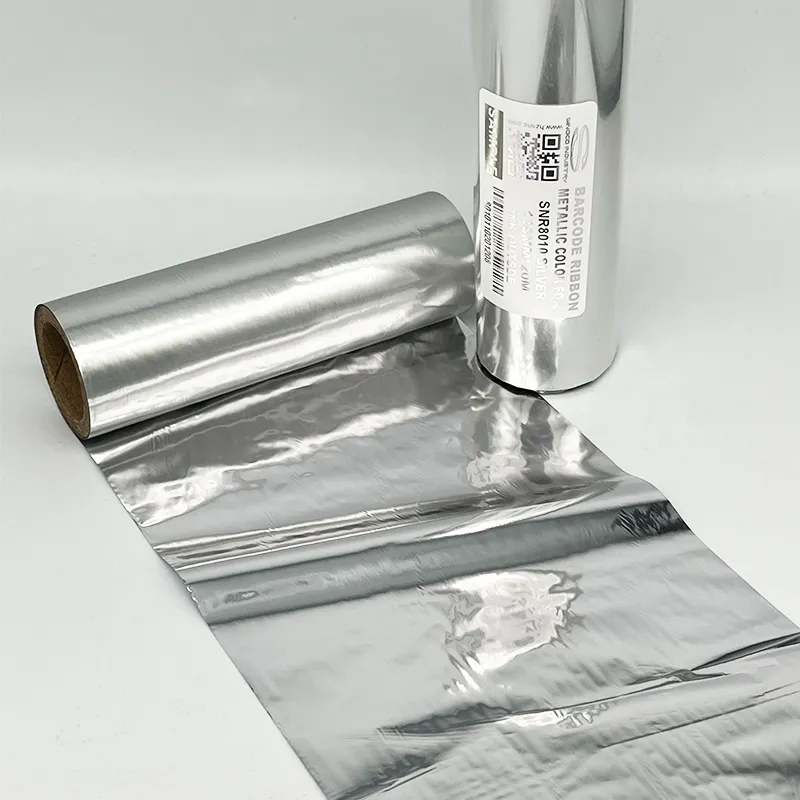
Importance of Ribbon Core Compatibility with Printers Why Ribbon Core Specifications Matter Thermal transfer printing depends on precise synchronization between the printer's ribbon drive and the ribbon itself. A barcode ribbon wholesale buyer focu...
VIEW MORE
Why Ribbon-Substrate Matching Determines Print Quality A thermal transfer ribbon import shipment arriving with the wrong ribbon type for the warehouse's label stock produces barcodes that smear, fade, or refuse to scan. The thermal transfer process...
VIEW MORE
How Thermal Transfer Ribbon Types Affect Roller Wear A thermal transfer printer producing crisp barcodes Monday morning can deliver patchy, unscannable labels by Friday afternoon — and the culprit is often not the printhead. It is the rollers...
VIEW MORE
Understanding the Real Risk When Outdoor Labels Fail Outdoor labeling is one of the most unforgiving challenges in industrial identification. Barcodes, safety warnings, and tracking numbers printed on labels affixed to chemical drums, shipping cont...
VIEW MORE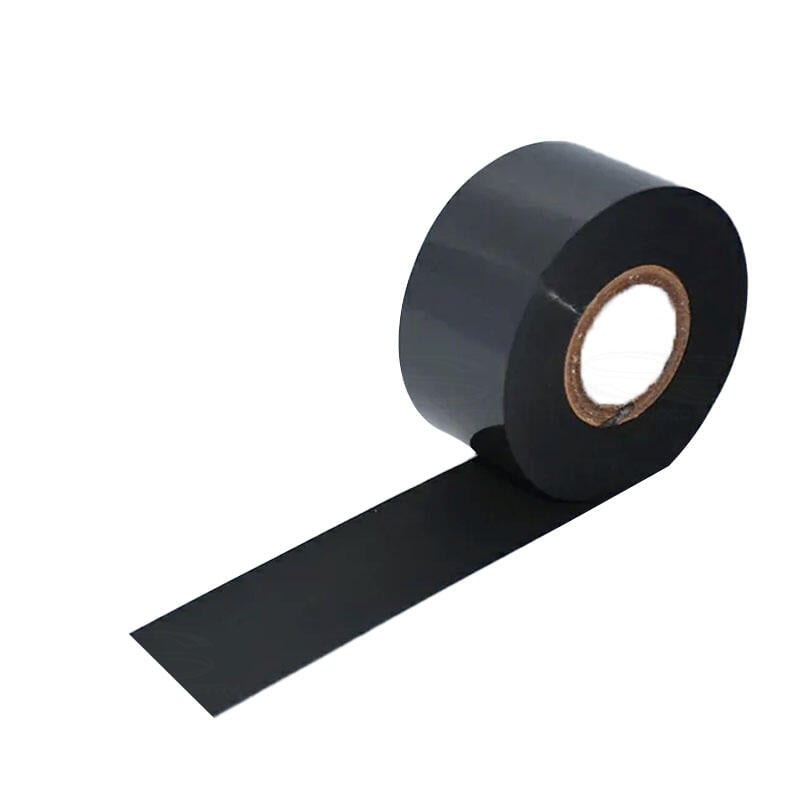
How to Choose Wax-Resin Ribbons for Retail Labels Material Science and Thermal Transfer Mechanics Chemical Formulations and Substrate Molecular Adhesion Selecting the appropriate variable data imaging media requires a comprehensive understanding of...
VIEW MORE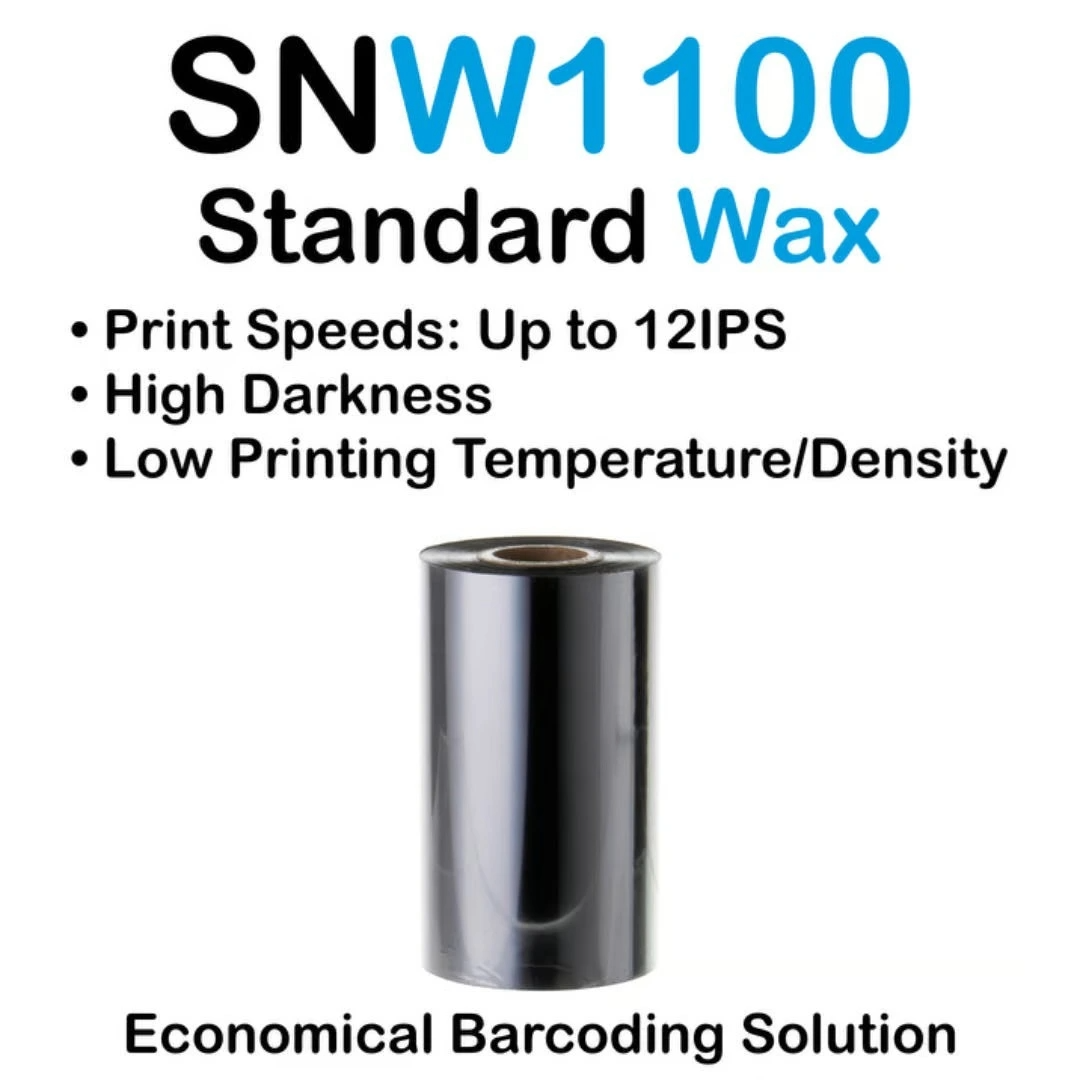
Root Causes of Ribbon Breakage in Ribbon Printers Mechanical Stress from Incorrect Tension and Misalignment Excessive tension and misaligned components are the primary mechanical causes of ribbon breakage. When loaded too tightly, the ribbon experien...
VIEW MORE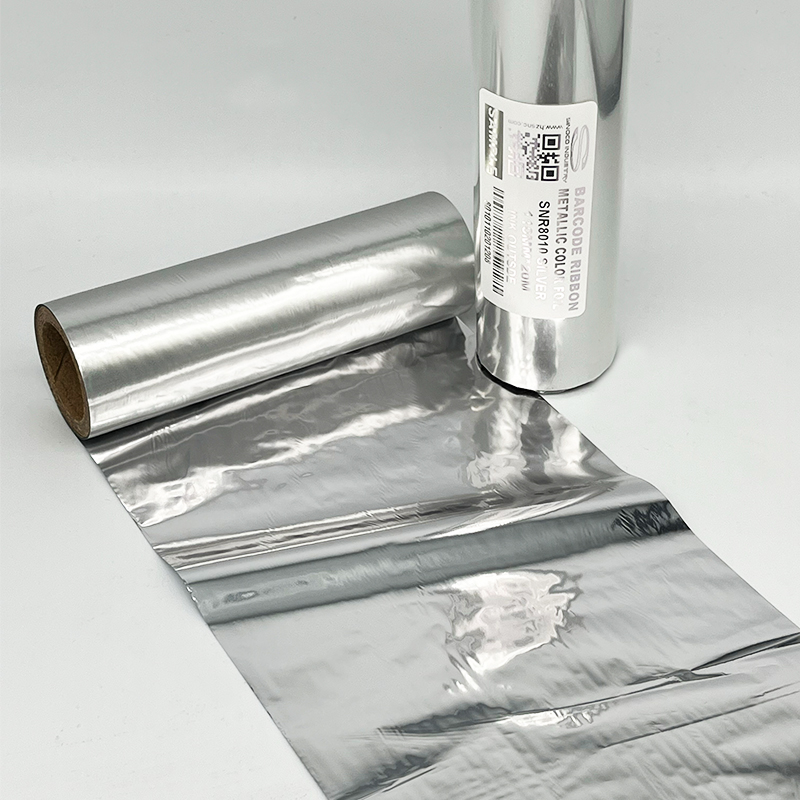
The Heat–Speed Ratio: Primary Driver of Ink Transfer in Coding Foil ProductionHow Heat and Speed Interact to Optimize Wax-Resin Transfer on Foil SubstratesGetting good results from thermal transfer printing really comes down to finding the righ...
VIEW MORE EN
EN