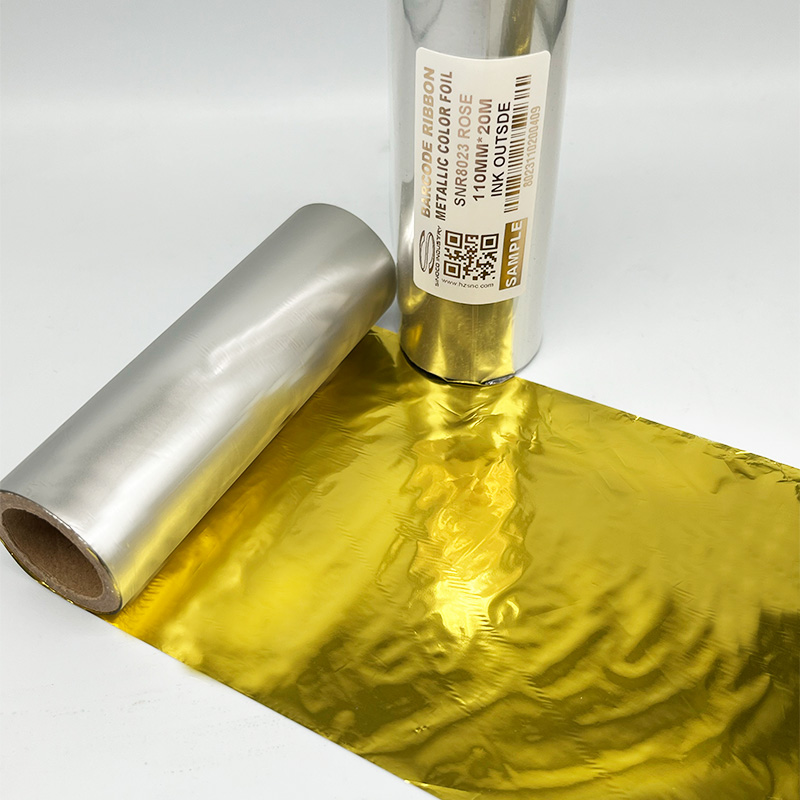
Why Thermal Ribbon Sustainability Matters for Color Ribbon SuppliersThe environment is pushing industries to rethink what matters most, and color ribbon suppliers are no exception when it comes to dealing with thermal ribbon waste. As Extended Produc...
VIEW MORE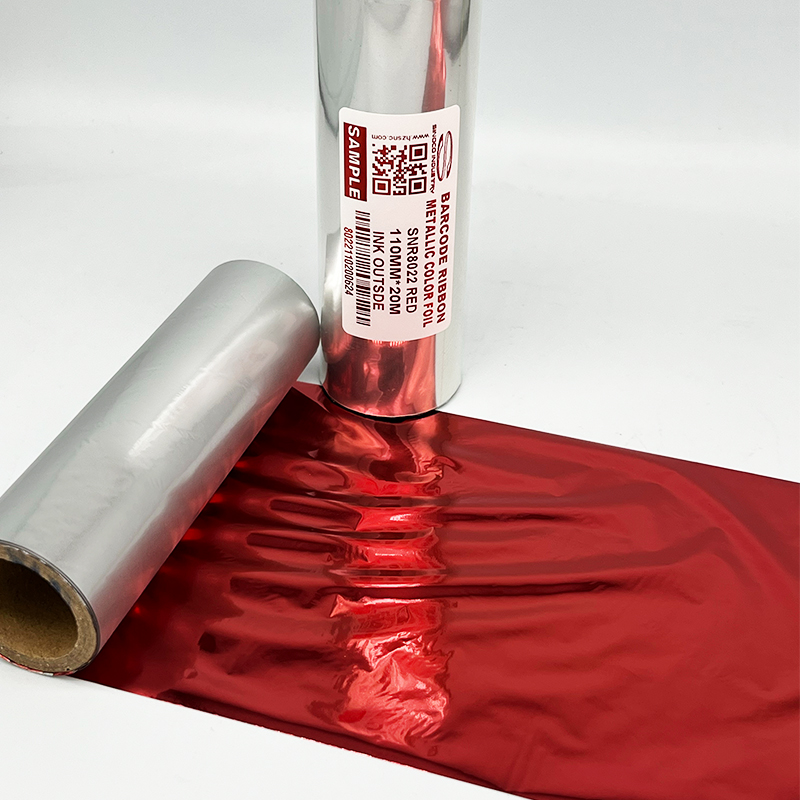
Why Coding Foil Is a Strategic Asset for Brand DifferentiationIn crowded retail environments where products look alike, coding foil stands out from the crowd, turning ordinary packaging into something consumers can actually feel and remember. Shopper...
VIEW MORE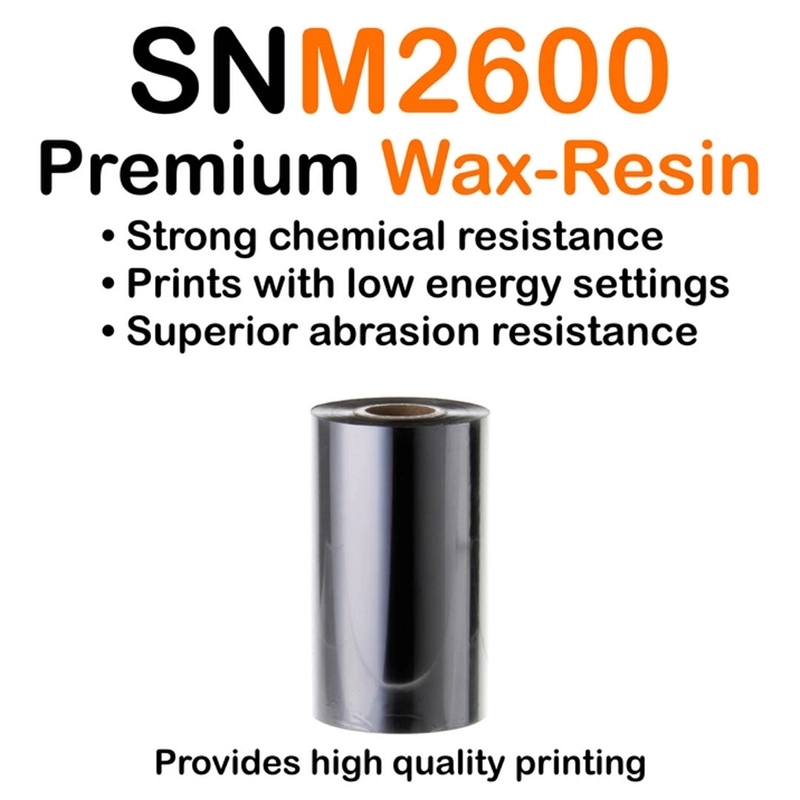
Why Wax Resin Application Determines Adhesion SuccessEffective wax resin application forms the cornerstone of durable thermal transfer labels, directly influencing bond integrity across industrial environments. Precise formulation and transfer protoc...
VIEW MORE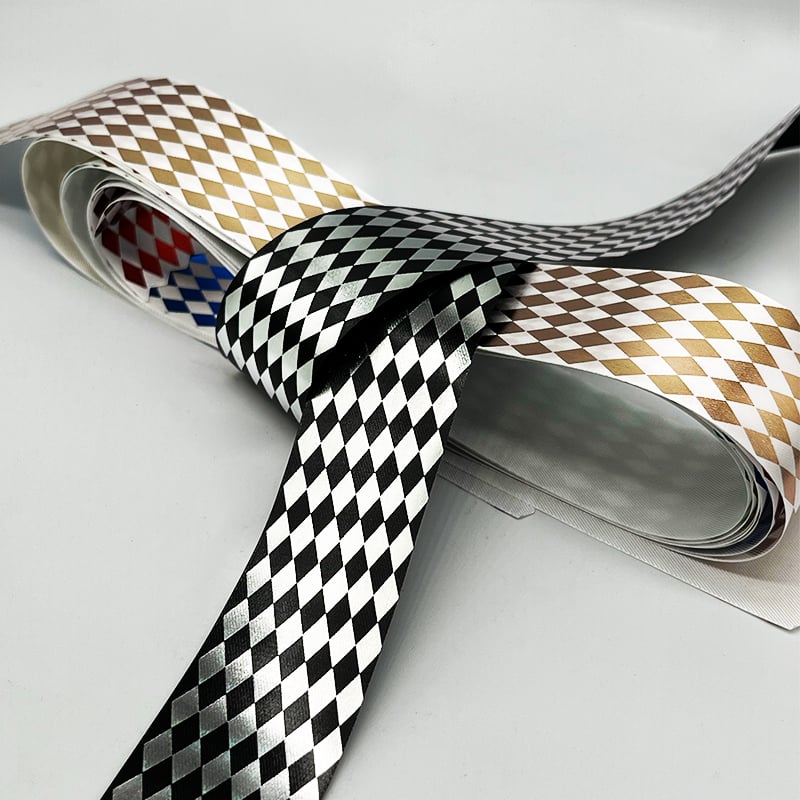
Ribbon Tension Fundamentals: Why It’s the Hidden Determinant of Print FidelityThe right amount of ribbon tension is basically what makes thermal transfer printing work properly, controlling how well ink or foil gets transferred onto surfaces. T...
VIEW MORE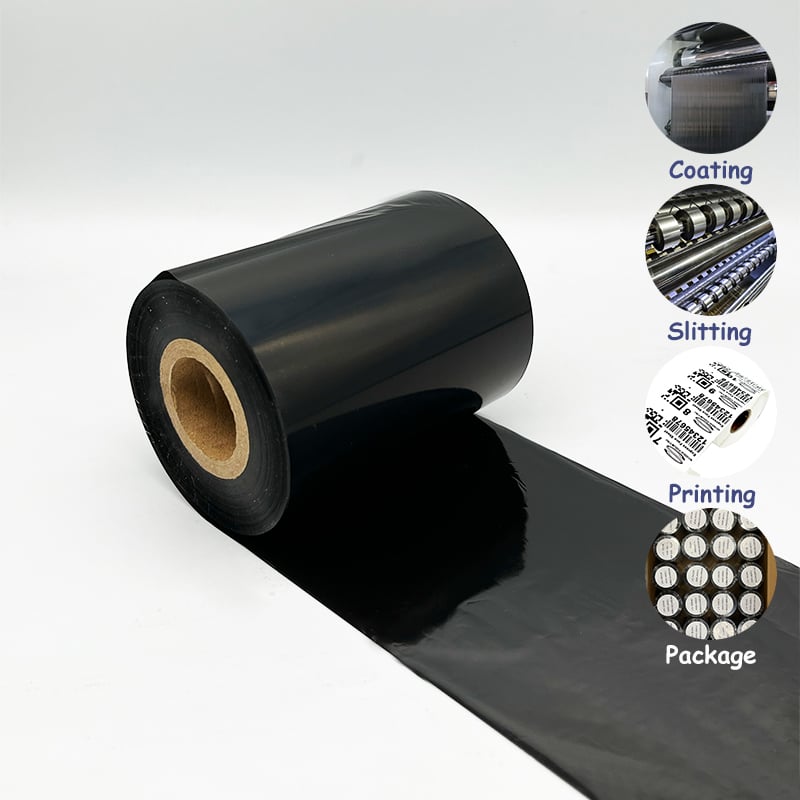
Advances in Color Precision and Print TechnologyCMYK and Spot-Color Capabilities for Brand-Accurate LabelingToday's thermal transfer ribbon makers have really stepped up their game when it comes to color accuracy. They're using full CMYK color proces...
VIEW MORE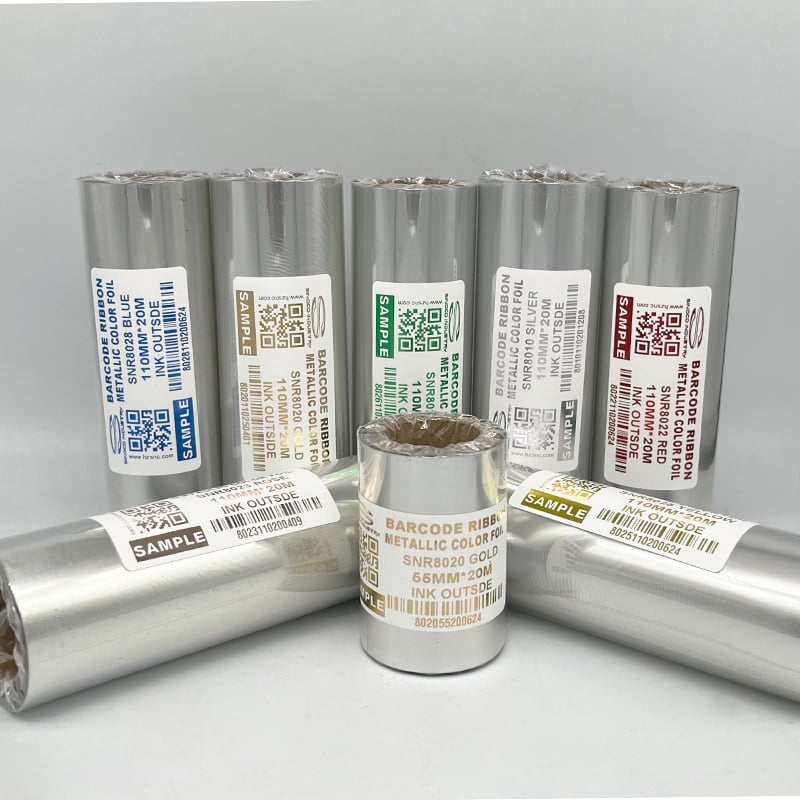
Superior Performance on Common Short-Term Substrates Rapid, reliable adhesion on coated paper, uncoated paper, and recycled label stocks Wax ribbons bond instantly to all kinds of short term label materials and they beat other options when it comes ...
VIEW MORE
Thermal Ribbon Fundamentals: Matching Wax, Resin, and Hybrid Types to Print Requirements Thermal transfer ribbons play a big role in getting good quality prints on all sorts of stuff from labels to tags and even flexible packaging materials. The mark...
VIEW MORE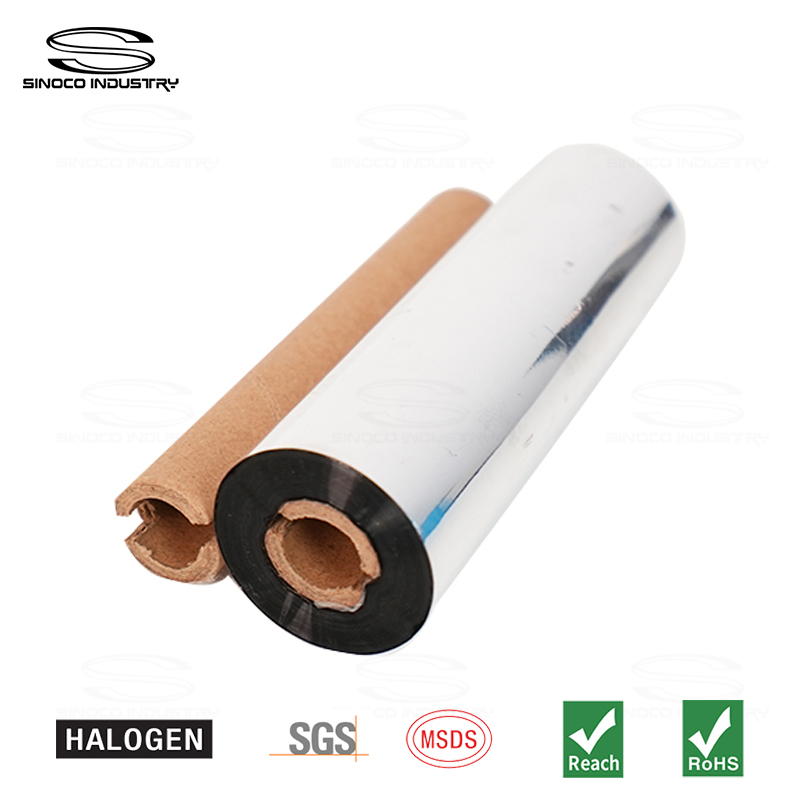
Thermal Print Head Innovations Driving 300–600 DPI PrecisionMicro-actuated heating elements and pixel density scalingToday's thermal print heads can reach resolutions between 300 and 600 DPI thanks to tiny resistive elements that manage heat in...
VIEW MORE
Ideal Environmental Conditions: Temperature, Humidity, and Light Control Target Ranges: Why 15–25°C and 40–60% RH Maximize Ribbon Stability Thermal ribbons work best when kept in specific environmental conditions. The ideal temperat...
VIEW MORE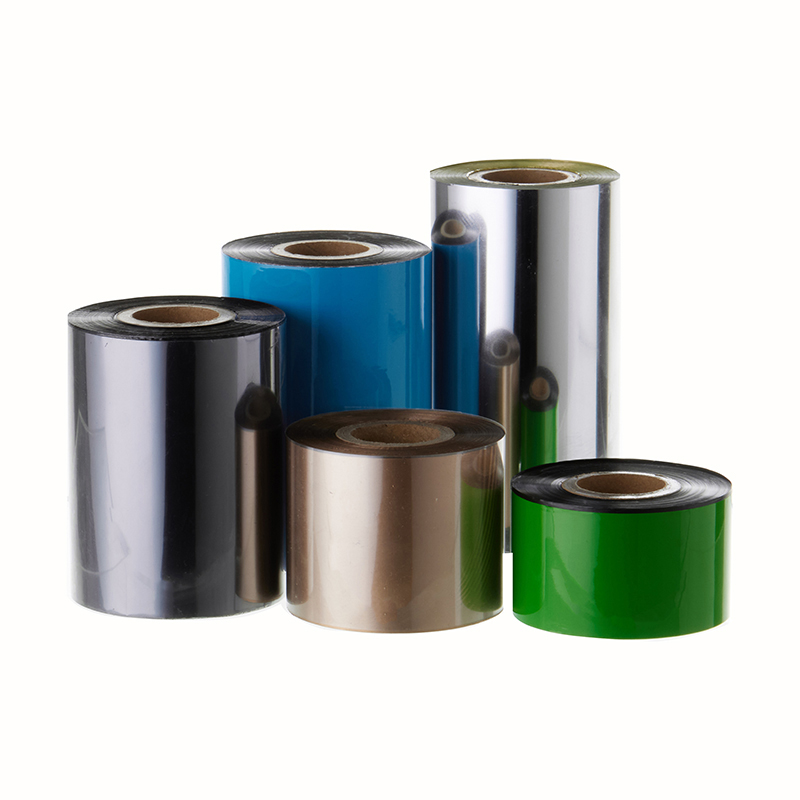
The Science Behind Humidity’s Impact on Thermal Transfer Ribbon Application Thermal transfer ribbon application relies on precise environmental conditions to ensure consistent print quality. Humidity fluctuations interfere directly—thro...
VIEW MORE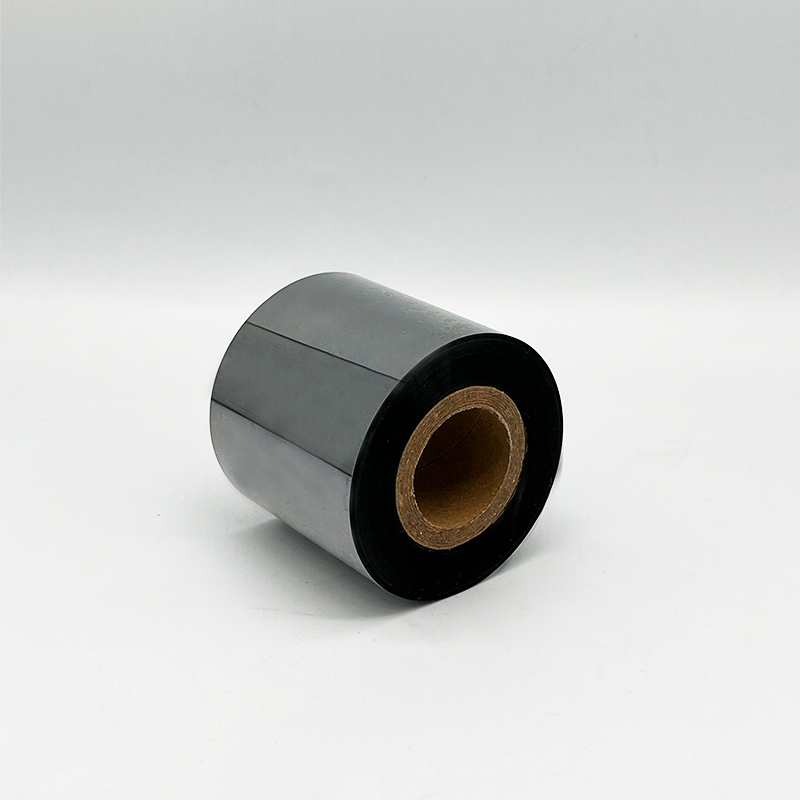
Sterilization Resistance: Matching Resin Ribbons to ETO, Gamma, and Autoclave Processes Why Autoclave Demands More Than High Melting Point â Understanding Thermal Degradation vs. Adhesion Failure Medical labels face serious challenges durin...
VIEW MORE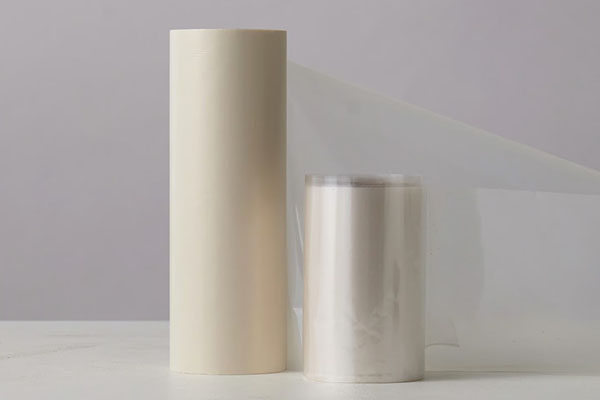
The Physics of Ribbon Width and Lateral Label Registration How ±0.1 mm ribbon width deviation disrupts edge registration under tension Even a tiny 0.1 mm difference in ribbon width something smaller than a strand of human hair can lead to si...
VIEW MORE EN
EN