 EN
EN


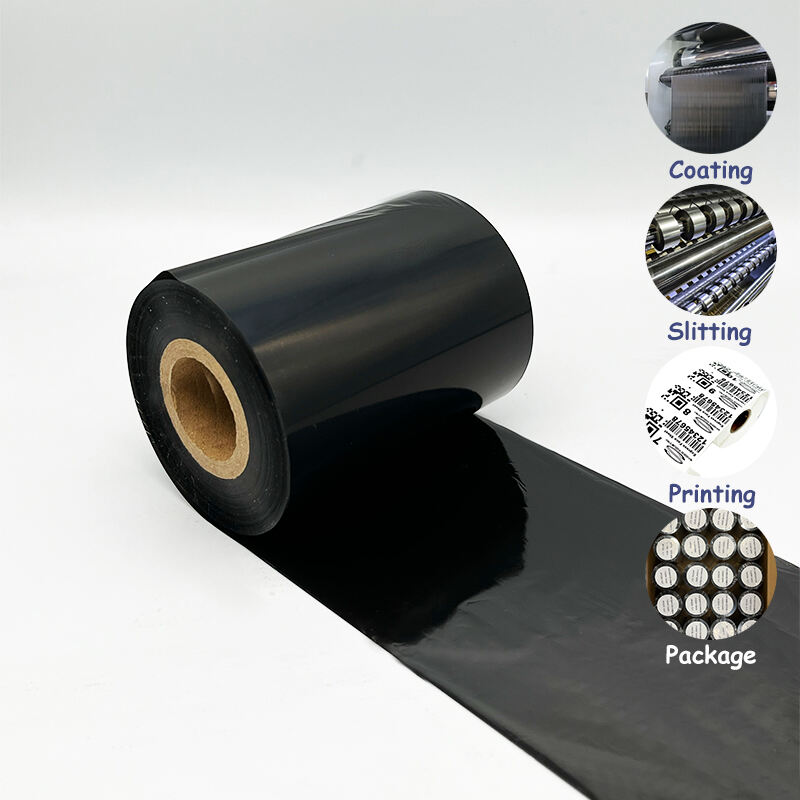
Ideal Environmental Conditions: Temperature, Humidity, and Light Control
Target Ranges: Why 15–25°C and 40–60% RH Maximize Ribbon Stability
Thermal ribbons work best when kept in specific environmental conditions. The ideal temperature range is between 15 to 25 degrees Celsius, which translates to around 59 to 77 degrees Fahrenheit. Relative humidity should stay somewhere between 40% and 60%. When temperatures drop below 15°C, the materials used in the ribbons tend to get brittle, making them more likely to break especially during fast printing operations. On the flip side, if it gets warmer than 25°C, the wax components start softening up, which leads to smudged ink and poorly defined edges on printed materials. Low humidity levels under 40% create problems too because static electricity builds up, pulling dust onto the ribbon surface and clogging printheads over time. When humidity goes above 60%, the moisture gets absorbed into the coating layer, messing with how evenly the ink transfers and creating streaks or uneven barcode densities. Maintaining these optimal conditions helps keep the ink at the right consistency, preserves the structural integrity of the materials, and ensures good adhesion properties all important factors for companies exporting custom ribbons worldwide. Testing has shown that ribbons stored outside this sweet spot have about 30% more defects compared to those stored properly, which obviously affects how well they print and ultimately impacts what customers think about the product.
UV and Ambient Light Exposure: Chemical Degradation Risks for Dye and Wax Formulations
Thermal ribbons, particularly those made with dye-sublimation or wax-resin formulas, tend to break down when exposed to UV and visible light. When left in these conditions for extended periods, the molecular bonds in the colorants start breaking apart, leading to fading colors and strange color shifts. Even regular office lighting can start affecting print quality after about 200 hours of continuous exposure. The UV component specifically speeds up oxidation processes, making ribbon surfaces harder over time and cutting down on ink transfer efficiency by roughly 40%. We've seen this manifest as more voids showing up in barcode scans during quality checks. Warehouse environments aren't safe either - sunlight coming through windows alone can reduce optical density by around 15% in just one month, which really messes with color accuracy requirements for products needing regulatory approval. For anyone handling these materials, storing them in completely dark containers is essential. Keeping ambient light levels below 500 lux works well in practice, something most manufacturers follow since it aligns with ISO/IEC 15416 standards and helps maintain consistency across different global markets where compliance matters.
Proper Packaging and Handling Protocols for Customized Ribbon Exporter Compliance
Sealed, Desiccated Packaging Best Practices to Preserve Shelf Life Pre-Shipment
Hermetic, moisture-resistant packaging is non-negotiable for thermal ribbons destined for global distribution. Poly-laminate pouches with integrated desiccant packs maintain internal RH at 40–60%, actively countering ambient humidity swings during transit and storage. This prevents three key failure modes:
- Wax crystallization from moisture ingress
- Dye oxidation due to residual oxygen exposure
- Adhesive layer contamination from airborne particulates
Vacuum-sealing with oxygen absorbers extends shelf life by 18–24 months, per ASTM D4332 stability testing protocols. For customized ribbon exporters, this translates to a 97% reduction in humidity-related print defects upon arrival–ensuring consistent performance regardless of destination climate.
Upright Orientation, Label Integrity, and FIFO Rotation for Long-Term Inventory Health
Ribbon cartons must be stored vertically on stable pallets, never stacked horizontally. Compression forces accelerate chemical migration in heat-sensitive formulations, increasing breakage risk and degrading ink transfer consistency. Critical handling controls include:
- Orientation: Upright positioning prevents core deformation and ribbon wrinkling
- Labeling: QR-coded lot tracking with clear expiration dates enables full traceability and recall readiness
- Rotation: Strict First-In-First-Out (FIFO) enforcement minimizes aging effects and ensures optimal print performance
Warehouses adhering to these protocols report 30% fewer inventory write-offs from expired or compromised stock–directly supporting lean logistics and regulatory compliance for export-focused operations.
Consequences of Suboptimal Storage: Print Defects and Printer System Impact
From Streaking to Ribbon Breakage: How Heat, Moisture, and Oxidation Compromise Performance
When ribbons sit outside the recommended temperature range of 15-25°C and relative humidity between 40-60%, all sorts of problems start happening. The heat causes oxidation which makes the ribbon material brittle, and we've seen breakage rates jump around 30% during those fast print runs based on testing standards. Too much moisture is equally bad, as it pushes dyes around creating streaks and blurry barcodes that won't scan properly according to industry standards. These printing issues mean machines have to run multiple times over the same area, which burns out thermal print heads faster than normal. Some maintenance records show service life can drop by nearly half under these conditions. What's worse, leftover glue from damaged ribbons builds up on machine parts, requiring twice as many cleanings and causing unexpected shutdowns. For companies shipping products internationally, these kinds of quality problems destroy customer confidence, lead to expensive product returns, and sometimes even bring regulatory trouble. That's why maintaining proper storage conditions isn't just good practice anymore - it's becoming absolutely necessary for keeping operations running smoothly.
Shelf Life Management: Realistic Expectations and Expiration Signals for Exporters and End Users
Thermal transfer ribbons generally stay good for about 12 to 18 months if kept properly according to what the manufacturers recommend. The clock starts ticking not when they come off the production line, but rather once proper storage conditions are actually put in place. When looking at whether ribbons are still usable, watch out for signs like becoming brittle to the touch, seeing that chalky wax stuff forming on surfaces, or noticing colors don't print evenly anymore. For companies shipping customized ribbons, timing matters a lot. They need to match up delivery schedules so that distributors get stock with enough shelf life left. Take an example where a distributor needs 9 months for their retail sales cycle, then the exporter should send them ribbons with around 15 months remaining. Keeping track of batches through digital records and those QR code labels helps maintain first-in-first-out practices. Regular checks every three months make sure packages remain sealed correctly and temperature logs are accurate. What really counts though is basing replacement schedules on how much printing will actually happen instead of just following calendar dates. Industry experience suggests this method cuts down on wasted materials by roughly a fifth, plus keeps print quality consistent everywhere these ribbons end up being used worldwide.
FAQ
What are the ideal environmental conditions for storing thermal ribbons?
The ideal conditions for storing thermal ribbons are a temperature range of 15 to 25°C (59 to 77°F) and a relative humidity between 40% and 60%.
Why is UV and visible light exposure damaging to thermal ribbons?
UV and visible light exposure can break down the molecular bonds in the colorants of thermal ribbons, leading to fading colors and reduced ink transfer efficiency.
What are the recommended packaging practices for exporting customized ribbons?
Recommended practices include using hermetic, moisture-resistant packaging with desiccant packs and vacuum-sealing with oxygen absorbers.
What are the consequences of not storing ribbons properly?
Improper storage can lead to print defects such as streaking and ribbon breakage, reduced printer head lifespan, and increased maintenance requirements.
How long do thermal transfer ribbons typically last?
Thermal transfer ribbons have a typical shelf life of 12 to 18 months when stored properly.
Table of Contents
- Ideal Environmental Conditions: Temperature, Humidity, and Light Control
- Proper Packaging and Handling Protocols for Customized Ribbon Exporter Compliance
- Consequences of Suboptimal Storage: Print Defects and Printer System Impact
- Shelf Life Management: Realistic Expectations and Expiration Signals for Exporters and End Users
-
FAQ
- What are the ideal environmental conditions for storing thermal ribbons?
- Why is UV and visible light exposure damaging to thermal ribbons?
- What are the recommended packaging practices for exporting customized ribbons?
- What are the consequences of not storing ribbons properly?
- How long do thermal transfer ribbons typically last?