 EN
EN


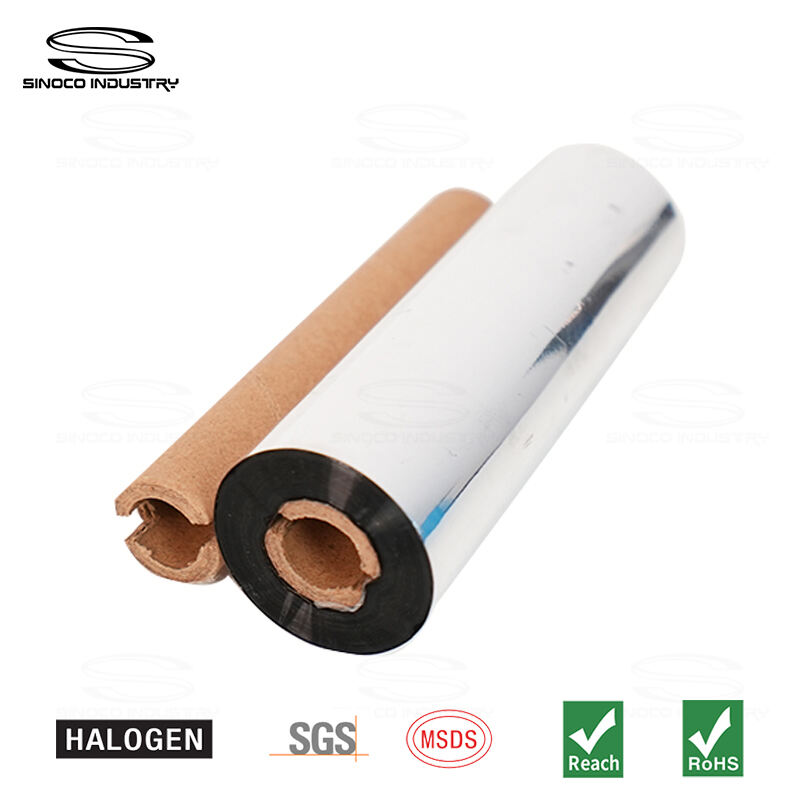
Thermal Print Head Innovations Driving 300–600 DPI Precision
Micro-actuated heating elements and pixel density scaling
Today's thermal print heads can reach resolutions between 300 and 600 DPI thanks to tiny resistive elements that manage heat individually. When manufacturers push this dot density beyond 600 elements per inch, they get that pixel-perfect control needed for tricky jobs such as applying coded foils on medicine packages. The printers also have smart temperature controls that stop heat from bleeding between pixels, which keeps those sharp edges intact even for super small details. How these elements are wired makes all the difference too. Proper wiring spreads energy evenly across different ribbon types like wax, wax mixed with resin, or pure resin. This matters because it affects how well ink transfers onto surfaces. For barcodes that need to meet ISO/IEC 15416 standards, getting those dots exactly right at 8 mil minimum width becomes absolutely critical for proper scanning and reading.
Near-edge printhead design advantages for consistent dot placement
When using near edge setups, the heating components sit just about half a millimeter away from the material surface. This close positioning really cuts down on how much the print ribbon bends while working. Getting so close means better accuracy too, with dots placed within plus or minus 0.1 mm. It also helps eliminate those annoying halo effects around printed areas because the melted material spreads more predictably. Plus, these systems can run pretty fast, over 12 inches per second, yet still maintain sharp details. Another big plus is the quick cooling that happens after printing completes. This fast cooling prevents messiness on delicate materials like polyimide films which would otherwise get damaged by lingering heat. For companies making electronic tracking labels that need super fine detail at 600 DPI resolution, standard flat head printers just don't cut it when it comes to keeping everything aligned properly across production runs.
Thermal Transfer Ribbon Selection: Matching Wax, Wax/Resin, and Resin Formulations to Resolution and Durability Needs
Polymer matrix hardness and melting point effects on edge acuity and line clarity
What kind of polymer matrix we use makes all the difference when it comes to print quality. The harder stuff like cross linked polymers holds its shape much better during printing transfers, giving us those super clean edges with deviations below 0.1mm even at 400dpi resolution. On the flip side, wax blends that melt around 60 to 80 degrees Celsius let us work faster, but they tend to spread out more on the page compared to the higher melting point resins which stay between 110 and 130 Celsius. Getting good clarity really depends on matching how fast the material absorbs ink with how thick our printing ribbon is. For regular paper labels that soak up ink pretty well, softer waxes work just fine. But when dealing with synthetic materials like plastic films, we need something stiffer in the resin department so nothing gets blurry or feathery looking, and those lines stay crisp and defined.
Resin ribbon dominance in electronics traceability and automotive under-hood labeling
When it comes to labels that need to stand up to tough conditions, resin formulations have become the go-to choice because they resist UV light, solvents, and wear much better than wax-based options which just don't cut it in these situations. Take automotive under-hood components for example. Resin ribbons stay readable even after going through thousands upon thousands of thermal cycles according to MIL-STD-202 tests. And in the world of electronics tracking, these resins can handle really tiny details too. They work with UDI codes smaller than half a millimeter and those dense 2D data matrices that are so important when applying coding foils to batteries during production. Real world testing shows most of these labels last around ten years before needing replacement. That's why more than eight out of ten manufacturers now rely on them for labels that simply cannot fail in critical operations.
Mission-Critical Applications Requiring High-Resolution Thermal Printing
Coding foil application in pharma blister packaging: Achieving 8–12 mil line clarity
Pharma companies rely on high res thermal printing at around 300 to 600 dpi to get important info printed right on blister packs. The print quality needs to be sharp enough so those tiny lines stay clear even after processing. We're talking about getting 8 to 12 mil clarity for things like batch codes, expiry dates, and dosage info that patients actually need to read. The FDA has strict rules about these marks needing to last through sterilization processes and whatever environmental stresses come along. That's where specialized resin based ribbons really shine. They stick well to metal surfaces but still keep those crisp edges needed both for meeting regulations and passing automated quality checks during production runs.
Healthcare UID and ISO/IEC 15416-compliant device labeling at 300+ dpi
The folks who make medical devices rely heavily on thermal printers that can hit at least 300 dpi when creating those Unique ID labels required by ISO/IEC 15416 standards. And these aren't just regular labels either—they need to stay readable even after going through all sorts of harsh treatments. We're talking gamma radiation, autoclaves running hot enough to melt plastic, plus exposure to chemicals like ethylene oxide used for sterilizing equipment. That's where resin based ribbons really shine because they stand up against chemicals better than other options while still producing sharp images needed for those important 2D barcodes and legible text. Hospitals report something like 99.8% success rate on first scans according to actual field data collected over several years now. This level of reliability makes all the difference during surgeries where seconds count and accurate tracking means safer patients along with proper inventory management across busy operating rooms.
FAQ
What is DPI in thermal printing? DPI, or dots per inch, in thermal printing refers to the resolution or level of detail that a printer can achieve. Higher DPI means greater detail and precision in printed materials.
Why is near-edge printhead design preferred in certain industries? Near-edge printhead design is preferred because it offers more precise dot placement and reduces ribbon bending, resulting in higher accuracy and clarity in printed materials.
What materials are typically used for thermal transfer ribbons? Thermal transfer ribbons are typically made from wax, resin, or wax/resin mixtures. The choice depends on the required print durability and the surface being printed.
How do resin ribbons benefit mission-critical labeling? Resin ribbons offer excellent durability, resisting environmental and chemical damage, making them ideal for mission-critical applications such as under-hood automotive labeling or healthcare UID devices.