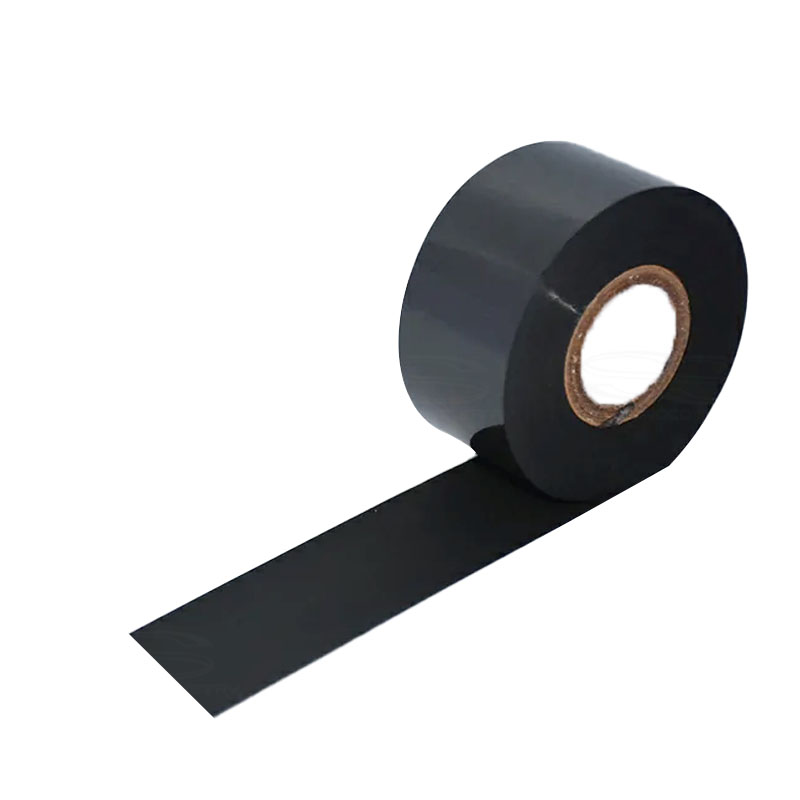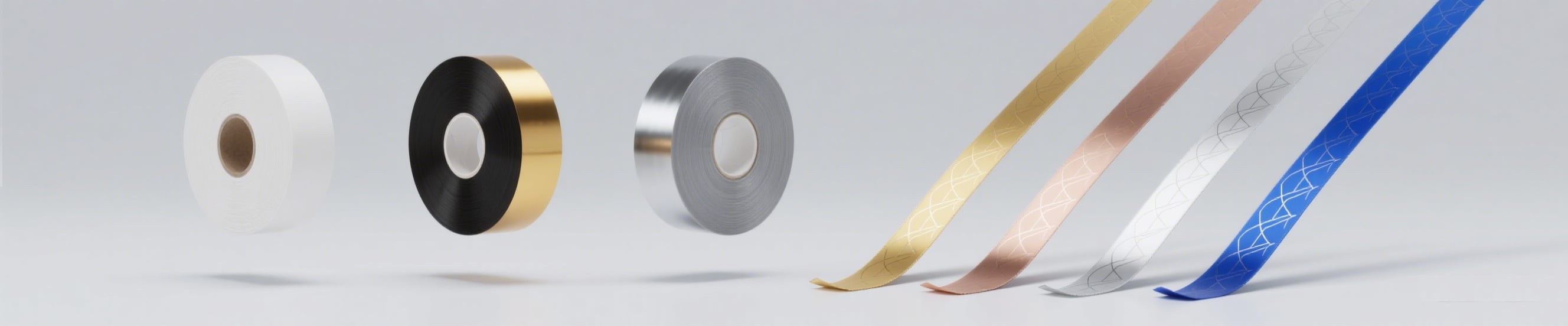
In fast-paced packaging operations—where accurate coding (dates, lot numbers, product info) is critical for compliance, traceability, and safety—the Hot Stamping Foil (coding foil) stands out as an ideal choice. Engineered to deliver clean, bold black prints across diverse substrates, it works with most industrial coding systems, combining scratch resistance, consistent transfer, and ease of use. Whether coding food packaging, pharmaceutical labels, or logistics tags, the Hot Stamping Foil (coding foil) keeps prints legible through handling, shipping, and storage. Below is a streamlined breakdown of its description, advantages, features, and applications.
1. Product Description: Reliable Coding for Modern Operations
The Hot Stamping Foil (coding foil) is a specialized material built for packaging demands. Unlike generic foils that struggle with inconsistent prints or limited compatibility, it delivers crisp, high-contrast black prints—critical for meeting regulatory requirements (e.g., FDA for food, FDA/EMA for pharma) that mandate readable codes for traceability.
Its key strength is broad compatibility with industrial coding systems: thermal transfer printers, hot stamping machines, and even some lasers. Businesses don’t need new equipment to adopt the Hot Stamping Foil (coding foil); it integrates seamlessly with existing setups, cutting upfront costs and downtime. From small bakeries coding bread bags to large pharma plants marking thousands of pill bottles daily, the Hot Stamping Foil (coding foil) ensures reliable performance for daily production needs.
2. Product Advantages: Outperforming Generic Foils
The Hot Stamping Foil (coding foil) solves core packaging pain points, making it a strategic investment:
2.1 Universal Compatibility
It works with most coding printers—thermal transfer (food/logistics), hot stamping presses (cosmetics/luxury), and some lasers. A logistics firm using thermal printers for shipping labels can switch to the Hot Stamping Foil (coding foil) without replacing equipment; a cosmetic brand using hot stamping machines for containers can use the same foil. This eliminates the need to stock multiple foils, simplifying inventory and reducing costs.
2.2 Cost-Effective for High Volume
Optimized for large-scale operations, the Hot Stamping Foil (coding foil) minimizes waste: each roll delivers more prints via consistent transfer and less breakage. For a food manufacturer coding 100,000 snack bags daily, this means fewer roll changes, less downtime, and lower per-unit costs. Its durability also cuts reprints (from smudged/scratched codes), and it offers premium performance at a competitive price—accessible for all business sizes.
2.3 Easy to Use
Designed for busy facilities, the Hot Stamping Foil (coding foil) requires no special prep (pre-heating, chemicals) and loads into machines in minutes. A pharma plant with tight schedules can unbox a roll, load it, and start coding pill bottles immediately. This reduces staff training time and production delays, keeping operations smooth during peaks.
3. Product Features: Durability & Quality in Every Print
The Hot Stamping Foil (coding foil)’s features address packaging challenges (handling, moisture, friction):
3.1 Premium Print Quality
It delivers bold, legible black impressions—even on small packaging (cosmetic samples) or textured substrates (paperboard food boxes). Codes (dates, barcodes) are scannable and human-readable, complying with regulations. A barcode printed with the Hot Stamping Foil (coding foil) on a shipping label scans reliably at logistics hubs, avoiding delays from unreadable codes. Unlike faded generic foils, its prints stay clear for the product’s lifecycle.
3.2 Scratch Resistance
Its durable formulation bonds with substrates to resist friction, scuffs, and minor abrasions. A soup can coded with the Hot Stamping Foil (coding foil) keeps expiration dates legible after stacking; a shipping label printed with it won’t smudge during transit. This eliminates compliance fines or product waste from unreadable codes.
3.3 Consistent Transfer
Advanced coating prevents ink bleeding, skipping, or uneven transfer—even at speeds up to 300 prints per minute. A beverage manufacturer coding plastic bottles on fast lines avoids missed or blurry prints, reducing production stops. Consistent performance also extends machine part life (e.g., print heads) by cutting friction, minimizing maintenance downtime.
3.4 Multi-Material Adaptability
It adheres to paper, paperboard, plastic (PET/PP/PE), metal (aluminum cans), and some fabrics. A cosmetic brand uses it for plastic lipstick tubes; a coffee roaster for paper bags; a canned food maker for aluminum cans—all with one foil. This simplifies inventory and ensures consistent coding across product lines.
4. Product Applications: Where It Delivers Value
The Hot Stamping Foil (coding foil) fits industries needing reliable coding:
4.1 Food Packaging
Ideal for date/lot coding—its scratch resistance withstands refrigeration (frozen pizza) and moisture (dairy), while bold prints stay readable. A bakery uses it for smudge-proof “best by” dates on bread bags; a snack maker for friction-resistant codes on chip bags.
4.2 Pharmaceuticals
Meets strict drug coding needs (names, dosages, expiration dates). Its consistent transfer keeps small text (dosage instructions) legible; scratch resistance stands up to pharmacy/hospital handling. A pill bottle maker uses it for durable batch numbers; a vaccine producer for cold-stable expiration dates on vials.
4.3 Cosmetics
Perfect for container labeling—prints stand out on colorful packaging (plastic tubes, glass perfume bottles). A skincare brand uses it for smudge-resistant batch numbers on glass moisturizer jars, protecting brand trust via traceability.
4.4 Logistics
Great for shipping labels—high-contrast, scratch-resistant prints ensure barcodes/tracking numbers scan reliably. A small e-commerce firm uses it for weatherproof codes on envelopes; a freight company for friction-resistant labels on plastic pallets.
4.5 Industrial Packaging
Simplifies inventory with durable product IDs on boxes, crates, and drums. A manufacturing plant uses it for codes on parts boxes that stay legible through forklift handling, ensuring accurate counts.
Conclusion: The Go-To Coding Solution
The Hot Stamping Foil (coding foil) is more than a coding material—it simplifies operations while ensuring compliance and quality. Its compatibility, cost-efficiency, and ease of use suit all businesses, while its durability and adaptability guarantee reliable prints. For website operators, it’s a standout product: it meets needs across food, pharma, cosmetics, logistics, and industrial sectors, delivering value via less downtime, lower costs, and better compliance. Choosing the Hot Stamping Foil (coding foil) means investing in a solution that works as hard as your packaging operations.
 EN
EN