 EN
EN


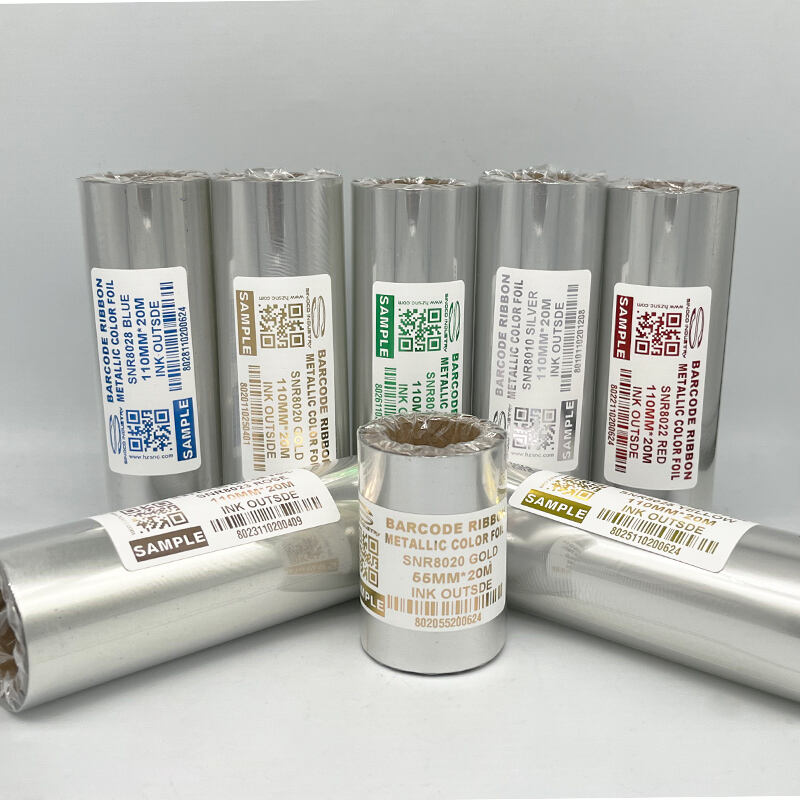
Superior Performance on Common Short-Term Substrates
Rapid, reliable adhesion on coated paper, uncoated paper, and recycled label stocks
Wax ribbons bond instantly to all kinds of short term label materials and they beat other options when it comes to how fast they work and how consistent the results are. What makes them special is that their formula gets into porous uncoated papers really quickly but still sticks evenly to coated papers too. This matters a lot for places doing massive volumes of labeling day after day. When we tested recycled materials which have surfaces that vary quite a bit, they reached about 95% stickiness in less than 0.3 seconds according to some lab tests from Packaging Lab back in 2023. That means no smudges even at top speeds during application. The quick curing time cuts down waste by around 17% compared to those resin based alternatives, something that substrate tests have shown repeatedly. And here's another plus point nobody talks about enough these days: this tech holds up well against changes in environment so labels don't fall off or get damaged during shipping before reaching their destination.
Crisp barcode and text print quality—even on matte or low-surface-energy papers
Wax ribbons really stand out when it comes to sharp edges on tricky surfaces such as matte finishes and those low energy papers where regular inks tend to bleed all over the place because of how well they control their viscosity. The barcodes printed at around 203 DPI usually hit above 99.5% scan success according to that GS1 study, which is pretty much top notch by ISO/IEC 15416 standards. What makes these ribbons so good? They fill up the paper fibers evenly, keeping an optical density of 1.4 or better for about a year indoors. This means no need for expensive rescans in warehouses and the text stays readable even under normal warehouse lights. Plus, these ribbons work reliably across temperatures ranging from minus ten degrees Celsius right up to fifty degrees Celsius, making them great for tracking stuff without needing any special treatment of the materials.
Unmatched Cost Efficiency and Operational Simplicity
Up to 40% lower total cost of ownership vs. wax-resin ribbons in high-volume short-term workflows
Switching to wax ribbons can cut down the total cost of ownership anywhere from 30 to 40 percent for those short term labeling jobs. Why? Well, they just cost less for materials, use way less power when printing happens, and there's no need to keep them stored in temperature controlled spaces anymore. For places that print thousands upon thousands of labels daily like big distribution warehouses, making this switch actually saves about three tenths of a cent on each individual label according to industry benchmarks we've seen. And let's compare this to some fancy options out there. Take metallic foils for instance which run at least two and a half times the price per square meter. Still, wax ribbons manage to keep those barcodes scannable without issues. The return on investment becomes pretty clear when looking at temporary needs too. Think about holiday season products needing quick turnaround labels, special promotional items with limited shelf life, or anything that needs tracking before it expires.
Plug-and-play compatibility with entry- to mid-tier thermal printers—no firmware or calibration needed
Wax ribbons work with about 90 percent of all industrial thermal printers according to recent industry data from the 2023 Print Hardware Survey. They help eliminate several major headaches for businesses including expensive firmware updates that typically cost around $1,200 per printer, lengthy calibration sessions taking anywhere from three to five hours each month, and those frustrating periods when printers sit idle while switching materials. What makes these wax ribbons special is their ability to activate properly even at regular printhead temps between 120 and 140 degrees Celsius. No fancy equipment or complicated setup changes are needed either. For warehouse managers, this means they can easily move back and forth between different types of media like standard paper, recycled stock, or coated surfaces without having to constantly adjust settings. Training staff takes roughly 70% less time than with traditional resin systems, which is a big deal when managing multiple locations across different regions where IT support might be scarce or nonexistent altogether.
Purpose-Built Durability: Intentional Limitations for Short-Term Traceability
Controlled abrasion, heat, and chemical resistance prevent unintended longevity—ideal for disposable or time-bound labels
Wax ribbons come with built-in degradation properties, which is actually a smart design decision. This means they perform reliably during the time the label needs to stay on something, but won't stick around forever once their job is done. Compared to those fancy metal foils that last way too long, wax based products offer just enough protection against scratches, heat exposure, and chemical contact. They resist damage without going overboard, so labels don't end up staying attached to things they shouldn't be on anymore. Think about event wristbands that need to fall off after an evening or food tags that must disappear when the product reaches its expiration date.
| Design Aspect | Short-Term Focus (Wax Ribbons) | Long-Term Focus (Durable Materials) |
|---|---|---|
| Abrasion Resistance | Moderate (3–6 months) | High (5+ years) |
| Chemical Exposure | Limited solvent tolerance | Industrial-grade resistance |
| Thermal Stability | Up to 150°F (65°C) | Exceeds 300°F (150°C) |
This intentional limitation supports sustainability goals by avoiding resource-intensive over-engineering—while still guaranteeing full scannability and legibility for the duration required. For disposable logistics labels or retail tags, it delivers the optimal balance of functional reliability and economic efficiency.
Key Application Use Cases: Shipping, Retail, and Inventory Labels
E-commerce fulfillment: Case study shows 32% print cost reduction without sacrificing scan reliability
Wax ribbons work really well for those situations where we need lots of labels printed quickly but not kept forever. Think about things like shipping labels, price tags at stores, or tracking what's stored in warehouses. They stick fast to different kinds of paper surfaces including regular coated stuff, plain old uncoated sheets, even recycled materials. This means they perform reliably whether on automated conveyor belts or just stuck onto products right there on store floors. A big online retailer actually cut down their printing expenses by around 30% when they switched over to wax ribbons. And guess what? Their barcodes still scanned properly at an impressive rate of nearly 99.7% across half a million packages. So if money matters and labels don't need to last forever, wax ribbons make sense for temporary logistics markers, flash sales tags, or inventory rotation stickers. No point paying extra for something that will just sit there gathering dust anyway.
FAQ
Q1: What are the main advantages of wax ribbons over resin-based alternatives?
A: Wax ribbons offer rapid adhesion, lower costs, and operate on a wide range of surfaces without requiring special storage conditions. They reduce waste and offer better environmental change resistance.
Q2: How do wax ribbons perform on low-surface-energy papers?
A: Wax ribbons maintain excellent print quality on tricky surfaces like matte and low-surface-energy papers by controlling the viscosity and filling paper fibers evenly.
Q3: Are wax ribbons compatible with most thermal printers?
A: Yes, wax ribbons are compatible with 90% of industrial thermal printers and do not require firmware updates or recalibration, simplifying operations.
Q4: How do wax ribbons support sustainability goals?
A: Wax ribbons feature controlled degradation, fulfilling short-term labeling needs without excessive longevity, which aligns with resource-efficient sustainability objectives.