 EN
EN


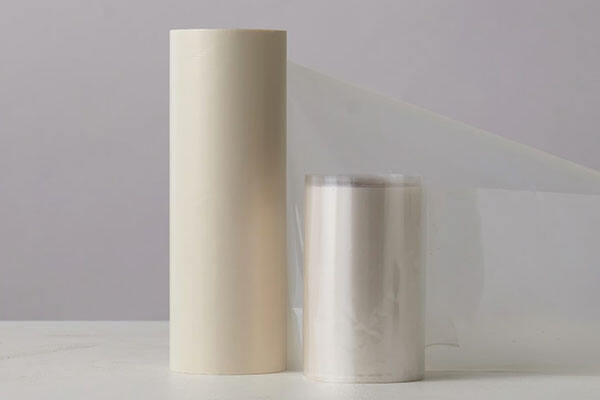
The Physics of Ribbon Width and Lateral Label Registration
How ±0.1 mm ribbon width deviation disrupts edge registration under tension
Even a tiny 0.1 mm difference in ribbon width something smaller than a strand of human hair can lead to sideways movement problems during thermal transfer printing processes. When the printer is running under normal tension levels, these small variations create uneven pressure distribution across the printhead area. This uneven pressure causes different parts of the ribbon to stretch at varying rates. The consequence? The wax or resin based inks end up not lining up properly with the actual label boundaries. This results in blurry barcode images or graphics that appear shifted off their intended positions. According to various industry reports, these kinds of alignment issues contribute to around 18% additional waste in large scale manufacturing operations. The problem becomes particularly pronounced with narrow label formats where there literally isn't any room for error whatsoever in the production process.
Thermal transfer mechanics: Why ribbon overhang or gap directly shifts print position
The way heat moves during printing relies heavily on how well everything lines up geometrically. When the ribbon hangs over too much, it focuses extra heat past where the label actually sits. But leave gaps between components and those areas stay cool, which stops the ink from melting properly. The printhead doesn't care what size ribbon we're using; it follows whatever label width was set in programming parameters. That means even something as small as half a millimeter of overhang will push printed material sideways by precisely that distance, creating noticeable misalignment issues in the final output. Industry standards like ISO/IEC 15416 recognize this problem, which is why they demand no more than 0.2 mm difference between ribbon position and label edges for top quality barcodes that meet grade A specifications.
Operational Risks of Ribbon—Label Width Mismatch
Printhead damage pathways: Thermal stress concentration from rosette ribbons custom overhang
If the ribbon is even slightly wider than the label dimensions, about 0.3 mm difference can cause problems. During printing operations, leftover ink tends to build up on the printhead itself. This creates hot spots around 180 to 220 degrees Celsius, which is way beyond what these components are designed for. The extra heat puts stress on the printhead materials, especially when working with those special high energy rosette ribbon formulas that many manufacturers use. Recent lab tests from last year indicate something concerning too. Printers dealing with constant ribbon width issues tend to break down almost half a year sooner compared to machines where everything lines up correctly. The main reason? Thermal fatigue slowly damages the ceramic base material over time as it gets repeatedly overheated.
Visible print defects—smearing, voids, and edge dropout—as diagnostic signals of width inaccuracy
Three distinct defect patterns serve as early-warning indicators of ribbon-width deviation:
- Smearing occurs when oversized ribbons deposit wax-resin beyond label edges, contaminating guides and sensors
- Voids appear as unprinted streaks when narrow ribbons leave label margins uncovered
- Edge dropout signals critical misalignment where thermal elements miss the substrate entirely
These are not cosmetic issues: lab testing shows edge dropout reduces barcode scan rates by 30%, while smearing increases jam rates by 22% in high-speed applications. Monitoring these failure signatures enables proactive recalibration—before printhead degradation becomes irreversible.
Industry-Validated Ribbon Width Selection Guidelines
The 4″ label ’ 4.33″ ribbon standard: Rooted in ISO/IEC 15416 tolerance stacking
Most label printers use a 4.33 inch wide ribbon for standard 4 inch labels because engineers generally agree it works best according to ISO/IEC 15416 standards. The extra 0.33 inches serves as a safety zone for all sorts of tiny errors that happen during printing. Think about how the paper might shift just a bit (about +/- 0.05 inches), plus problems with rollers not being perfectly round, and the ribbon drifting when running at top speed. Without this buffer space, the printed edges would get messed up, creating gaps in barcodes that make them hard to scan. Tests actually show these gaps can cut scanning success rates down by around 30%. Basically, this design accounts for all those little inconsistencies between different parts of the printer like rollers, guide rails, and print heads that add up if there's no room for error.
When to deviate: Application-specific exceptions for narrow-web and high-speed lines
The standard 4.33 inch ratio works pretty reliably across most applications, but when dealing with specialized setups, some tweaking becomes essential. Take narrow web printing below two inches wide for instance. Most printers stick to no more than 0.1 inch overhang to prevent those pesky flutter issues that cause smearing problems once speeds go past 14 inches per second. Pharmaceutical production lines running at high speed usually opt for ribbons that are about quarter inch wider. This helps compensate for material shrinkage caused by hot platens during processing. When working with custom security labels featuring complex rosette designs where precise die cutting matters, many engineers will actually set the ribbon width to match the label plus an extra 0.15 inch. Before making any changes though, there are three main things worth checking first. Does the web stay stable under maximum tension? How does the resin behave at actual operating temperatures? And what impact does the core diameter compared to ribbon width have on how smoothly it unwinds from storage?
FAQs
Why does ribbon width deviation affect print quality?
Ribbon width deviation affects print quality because even minor differences can lead to misalignment issues during printing. This results in uneven pressure distribution across the printhead, causing ink to not line up properly with label boundaries and leading to defects like blurry barcodes and graphics.
How does a ribbon overhang affect the thermal transfer printing process?
A ribbon overhang affects the thermal transfer printing process by altering the heat distribution. Overhang causes excessive heat beyond the label area, leading to shifts in the print position. This results in misalignment issues, as even small overhangs can push printed material sideways by the same distance.
What operational risks come with ribbon and label width mismatch?
Operational risks of ribbon and label width mismatch include printhead damage due to thermal stress, visible print defects like smearing, voids, and edge dropout. These issues can reduce barcode scan rates and increase jam rates, leading to degraded printhead performance.
What are the industry guidelines for ribbon width selection?
Industry guidelines for ribbon width selection are often rooted in ISO/IEC 15416 standards. For standard 4-inch labels, a 4.33-inch ribbon is typically used to provide a safety zone for minor errors that occur during printing, preventing gaps in barcodes and ensuring scan success rates.
When is it acceptable to deviate from standard ribbon width?
Deviation from standard ribbon width may be necessary for specialized setups like narrow web printing or pharmaceutical production lines. These situations may require adjustments to ribbon width to prevent defects and compensate for material shrinkage, ensuring optimal print quality.
Table of Contents
- The Physics of Ribbon Width and Lateral Label Registration
- Operational Risks of Ribbon—Label Width Mismatch
- Industry-Validated Ribbon Width Selection Guidelines
-
FAQs
- Why does ribbon width deviation affect print quality?
- How does a ribbon overhang affect the thermal transfer printing process?
- What operational risks come with ribbon and label width mismatch?
- What are the industry guidelines for ribbon width selection?
- When is it acceptable to deviate from standard ribbon width?