 EN
EN


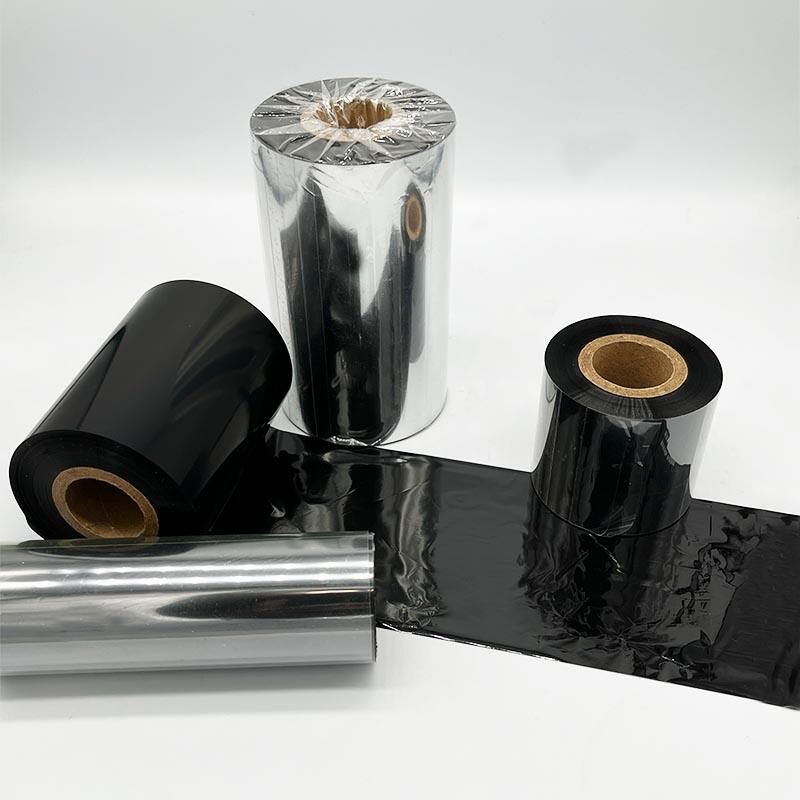
Match Ribbon Type to Application Needs–Not Just Price
Selecting thermal ribbon based solely on upfront cost risks premature label failure and costly rework. Industry studies show resin ribbons cost 30–40% more than wax alternatives but deliver 5–10× longer lifespan in demanding environments like chemical labs or outdoor logistics. Three core types serve distinct purposes:
- Wax ribbons suit short-term indoor applications (retail tags, warehouse labels) with moderate smudge resistance at lowest cost
- Wax-resin hybrids balance economy and durability for semi-harsh conditions (moist warehouses, refrigerated shipping)
- Full-resin formulations are non-negotiable for extreme heat (>150°C), UV exposure, or chemical contact–common in automotive, medical, and electronics manufacturing
When ribbons don't match properly, companies end up reprinting labels about 23% of the time based on those recent print efficiency studies from last year. Take for instance when someone tries wax ribbons on those synthetic polypropylene labels at a drug warehouse. The barcodes just fade away after a few weeks because of all the moisture in the air. Before buying anything, it really pays off to check what kind of material the label is made from against those compatibility charts for ribbons. Custom sizes definitely affect how much money gets spent day to day, but getting the right material match is what actually makes everything work properly in practice.
Calculate True Cost per Label Using Customized Ribbon Size and Yield
How Customized Ribbon Size Reduces Waste and Optimizes Print Yield
Getting the ribbon width just right for label dimensions cuts down on wasted material that typically accounts for around 15 to 20 percent of standard ribbons. If the ribbon is wider than needed, those extra bits just pile up as useless scraps and can actually lead to printer jams too. Custom sized ribbons fit perfectly within the actual print area, making sure no space goes to waste. This attention to detail means rolls last about 25 to 30 percent longer than regular ones, which obviously brings down what each label costs. Take narrower tags for instance many businesses switch from 4 inch ribbons to 3.5 inch versions instead. Not only does this save money, but it maintains good print quality across all labels according to various tests looking at how efficiently materials get used.
Why Ribbon Length (e.g., 300m vs. 450m) Changes Effective Cost per Print by 12–18%
Using longer ribbons over 450 meters can actually save money on labels for two main reasons. For starters, these big rolls usually come at a discount compared to the standard 300m ones, about 8 to 10 cents cheaper per meter. And there's another benefit too. When workers don't have to switch rolls as often, they spend less time stopped and waiting. Studies show this cuts down on wasted labor time by around 30%, which many companies forget to factor into their cost calculations. Take a plant that prints 10 thousand labels every day. Switching to 450m ribbons means changing rolls about 22% less frequently than with the smaller 300m options. Print shops report savings between 12 and 18 percent each year just from those reduced roll changes. The real value shows up in places with massive label demands where production lines need to keep running without interruption all day long.
Validate Quality with Application-Specific Durability Metrics
Choosing the right thermal transfer ribbon isn't just about checking off specs from a datasheet. Real world labels get tossed around in all sorts of rough situations. Think about those chemical splashes in factories, sun damage when stored outside, intense heat during medical sterilization, or all that rubbing and scraping while being moved around warehouses. According to industry research, labels that haven't been tested properly for their actual use cases tend to fall apart about 3.5 times quicker in tough environments. And this adds up fast for businesses dealing with these issues across their operations, with one study pointing to around $740,000 lost each year through having to redo work because labels failed early (Ponemon Institute report from last year). Instead of going solely on what manufacturers say works, companies should run tests that actually replicate what happens on their own premises. This helps determine how long labels will really last under real conditions instead of relying on theoretical claims.
Smudge, Heat, Chemical, and UV Resistance Testing for Real-World Reliability
Four core validation protocols determine label resilience:
- Smudge resistance testing (ASTM F2096) simulates handling friction through standardized rub cycles, ensuring text remains legible after 100+ contacts–critical for shipping labels.
- Heat resistance validation exposes materials to autoclave temperatures (121°C+) or engine-bay conditions, measuring wax-resin separation thresholds using accelerated aging chambers.
- Chemical resistance assessments (ISO 175) quantify degradation after solvent or acid exposure–essential for pharmaceutical or industrial labels facing bleach or oil contact.
- UV stability tests (ASTM G154) replicate 18-month outdoor exposure in 500-hour cycles, tracking fade resistance through colorimetric analysis.
Leading manufacturers implementing these protocols reduce label-replacement costs by 22% through extended service life. For comprehensive validation, pair lab tests with field trials, comparing degradation against ISO 20471 durability benchmarks tailored to your environment.
*Metrics standardized per International Organization for Standardization protocols
Frequently Asked Questions (FAQ)
What factors should I consider when choosing a ribbon type?
Consider the application needs, such as required durability, environmental conditions, and compatibility with label material. Wax ribbons are best for short-term indoor use, while full-resin formulations are essential for extreme conditions.
How do ribbon size and length impact overall cost?
Customized ribbon sizes reduce waste and optimize print yield, while longer ribbons decrease effective cost per print by reducing roll changes and associated downtime.
Why is it important to test labels under actual conditions?
Testing labels in real conditions, such as exposure to chemicals, heat, and abrasion, ensures they perform reliably and don't fail prematurely, saving costs associated with reprinting and replacements.