 EN
EN

Enhancing Brand Prestige with Premium Aesthetic Appeal
How the Premium Look of Metallized Ribbons Boosts Perceived Product Quality
The shimmer of metallized ribbons catches attention right away. According to Diginamix research from last year, around three out of four luxury shoppers link metallic finishes to better quality products. These shiny ribbons basically scream craftsmanship because they reflect light like real precious metals would, which makes people think about exclusive items without even realizing it. Take those soft gold ribbons wrapped around fancy perfume boxes for instance. They make customers see them as worth more money than regular matte ribbons do, maybe even up to 18 percent extra in their minds. That's pretty impressive when considering how much difference something so small can make.
Consumer Psychology and the Allure of Metallic Finishes in Luxury Branding
Research from Designtechguide in 2024 found that our eyes actually process shiny metal surfaces about 40 percent quicker compared to plain colored ones, which is why those metallic ribbons tend to grab attention right away on store shelves. Some interesting neuromarketing research points out that when people look at things with holographic finishes, parts of their brain light up similar to what happens when they gaze at expensive cars or fancy jewelry pieces. Brands have noticed this effect too. Companies that incorporate special metallic trims into their packaging report around a 23% boost in how often customers tag them on Instagram posts.
Using Gold, Silver, and Holographic Finishes to Elevate Brand Image
- Gold: Conveys timeless luxury (ideal for heritage brands)
- Silver: Suggests modern sophistication (preferred by tech-adjacent products)
-
Holographic: Drives 37% more engagement in Gen-Z-focused campaigns
Seasonal variations like rose-gold autumn editions or icy silver winter variants maintain freshness while preserving brand DNA.
Material and Finish Options: Satin, Foil Printing, and Reflective Coatings
| Finish Type | Luxury Association | Best Use Cases |
|---|---|---|
| Satin | Understated elegance | Wine labels, leather goods |
| Foil-Stamped | Artisanal craftsmanship | Limited editions |
| Reflective | Modern prestige | Cosmetics, electronics |
| Coding foil material integrations enable both authentication and design continuity across product lines. |
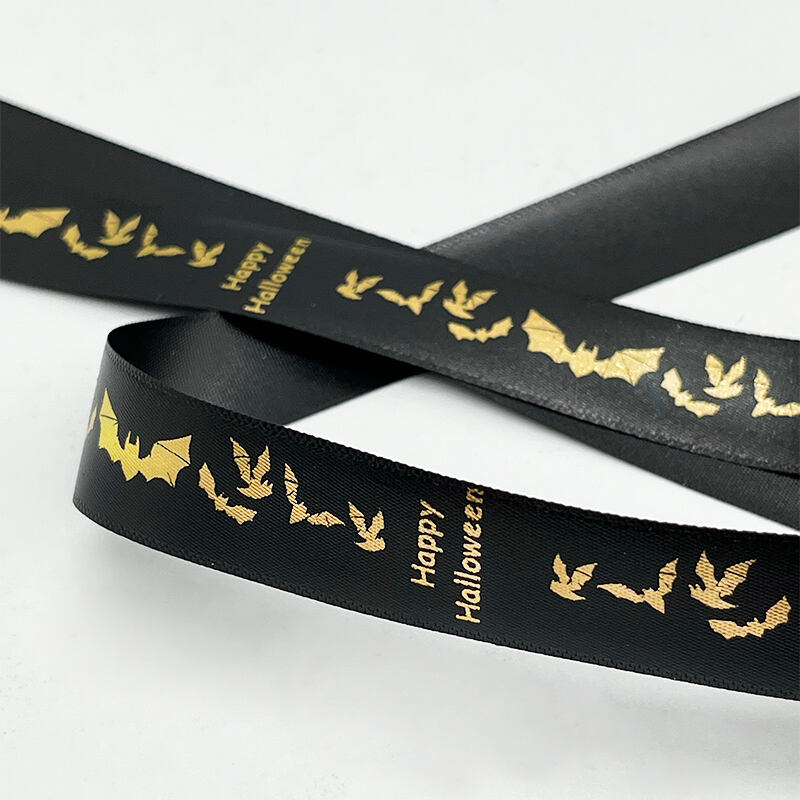
Seasonal and Limited-Edition Designs with Metallized Ribbon Finishes
Winter 2023 saw a 61% spike in sales for brands using snowflake-patterned holographic ribbons (Packagemate 2023). By rotating finishes with cultural relevance such as Chinese New Year red-gold variants or Pride Month iridescent designs brands maintain perceived exclusivity while capitalizing on trending visual codes.
Key Link Integration:
- 2023 Luxury Pricing Report - Anchor: "Diginamix 2023" statistic
- Surface Finishes Study - Anchor: "Designtechguide 2024" reference
Strengthening Brand Recognition Through Custom Printed Metallized Ribbons
Luxury brands achieve 37% higher consumer recall rates when using metallized ribbons with integrated branding elements. This stems from the material's unique ability to fuse practical identification features with sensory appeal.
Achieving Visual Consistency With Branded Ribbon Designs
Metallized ribbons let brands copy their logos and designs really well using hot stamping and digital printing methods. According to research from last year looking at how people open packages, items with matching ribbon designs got about 20% more buzz on social media than regular packaging did. When everything matches up visually across different products, it helps build stronger brand recognition. Customers start to see these packaging elements as markers of quality and luxury, almost like they're part of an exclusive family of products rather than just random boxes on store shelves.
Incorporating Logos and Signature Colors for Instant Brand Recall
Metallized gold and silver surfaces can boost color intensity as much as 40% over regular materials according to Pantone's Material Lab research from last year. This makes brand colors stand out brighter and become eye-catching visual markers. High end watch brands have started using this approach too. They embed their logos within special reflective foil layers that still stay readable even when tiny, sometimes smaller than half a millimeter. The technique originally came from security printing where it helped prevent counterfeiting, but now luxury brands are adopting it for premium product identification.
Integrating Coding Foil Material for Traceability and Brand Authenticity
Today's metallized ribbons come with special coding materials that have tiny engraved marks for authentication purposes. These hidden security features work alongside blockchain technology so customers can check if a product is genuine just by scanning it with their phones. And best of all, these security measures don't ruin the look of the packaging. According to recent industry reports from the Luxury Brand Protection Alliance, brands that adopted this multi-layered approach saw nearly two thirds fewer fake products entering the market in 2024. This represents a significant shift in how companies protect their goods against counterfeiting.
The synergy of visual boldness and technical sophistication positions metallized ribbons as critical brand guardians in luxury markets. By converting packaging components into authenticated brand signatures, companies create physical touchpoints that reinforce digital-era consumer trust.
Elevating the Unboxing Experience to Build Customer Loyalty
Designing Memorable Unboxing Moments with Branded Metallized Packaging
When it comes to making ordinary packaging feel extraordinary, metallized ribbons work wonders. According to recent research from last year, around three out of four luxury shoppers link things like embossed foil touches and soft satin ribbons to high-end products. Brands that incorporate such elements into their packaging designs are actually creating something much richer than just pretty boxes. Think about those fancy tissue papers with custom embossing, those eye-catching holographic bands wrapped around packages, or even simple gold ribbon seals that catch the light just right. These details really extend the excitement when someone opens a gift. Take La Mer for instance, this upscale beauty company started using hand tied ribbons made from metalized fabric with a crushed velvet texture on their packaging. The result? Their social media buzz went up by roughly a third after customers began sharing photos of these beautifully packaged items online.
Psychological Impact of Tactile and Visual Luxury Elements
When people actually touch metal parts on products, they tend to form stronger emotional bonds with them. According to some neuromarketing studies, packages with textured foils or brushed metal surfaces seem to light up certain areas of the brain related to pleasure about two and a half times more than regular flat packaging does. We just naturally connect shiny metals with things that are rare or well made somehow. Take those special edition wines for instance. The ones with fancy coded foil labels that have tiny engraved designs? A NielsenIQ report from last year found customers kept coming back to these products around 40% more often than others. So there's definitely something about how we experience products physically that makes us want to buy them again later on.
Turning Packaging Into a Loyalty Driver Through Sensory Engagement
The moment someone opens a package can turn into something special, and when that happens, customers often become real fans of the brand. Companies that start using these fancy coding foils for things like scratch off promo codes on ribbons or those cool color changing effects report around a 27% boost in people referring others to them. Take this high end chocolate shop for instance they saw their repeat business go up by nearly 20% once they started putting those QR code holographic ribbons on packages which let customers access custom tasting guides through their phones. What makes all this work so well? It taps into how our brains remember experiences. Those bright moments we notice most, like seeing that shiny silver ribbon glinting in the light, stick with us longer than anything else and actually influence whether we stay loyal to a brand or not.
Achieving Competitive Differentiation with Stand-Out Packaging Design
Standing out on shelves with reflective surfaces and unique ribbon details
When shopping in crowded stores, around three out of four people spot shiny packages before they even look at the dull ones according to a recent retail packaging report from 2023. These eye-catching effects come from special metallic ribbons that reflect light in interesting ways when moved around on store shelves. Some companies go further with fancy finishes that look almost like real jewelry, making shoppers think something costs more money just by looking at it. Stores that stock items wrapped in soft sheen ribbons with little bumps where their logo is tend to sell those products without planning for them about a quarter more often in small boutiques. The extra detail makes customers feel like they're getting something special and unique, which gets them to buy on impulse instead of thinking about it later.
Leveraging coding foil material and custom finishes for competitive edge
Coding foil serves two main purposes at once it protects brands while also looking great on products. The tamper evidence gives customers peace of mind when they buy something, and those fancy metal designs help stop fake products from getting out there. According to research done last year on perfume companies, special edition items that had numbers printed on their foil seals got shared online about 35 percent more often compared to regular packaging. When seasons change, many brands mix strong protective foils with ribbons shaped like snowflakes or autumn leaves for holiday collections. These physical details really enhance the story behind the product. People actually notice them and feel connected to what they're buying. Surveys show around two thirds of shoppers are ready to spend extra bucks on presents that include these kinds of special touches.
FAQ Section
What are metallized ribbons?
Metallized ribbons are decorative elements that reflect light, resembling precious metals, and are used to enhance the appearance of packaging for luxury products.
How do metallized ribbons affect consumer perception?
Consumers associate metallized ribbons with quality and luxury, leading to increased perceived value and brand prestige.
What finishes are commonly used in metallized ribbons?
Common finishes include gold, silver, holographic, satin, foil-stamped, and reflective options, each conveying different luxury associations.
How do brands use metallized ribbons to enhance packaging?
Brands use metallized ribbons in various ways, including seasonal designs and limited-edition collections, to create visually appealing and exclusive packaging.
Table of Contents
-
Enhancing Brand Prestige with Premium Aesthetic Appeal
- How the Premium Look of Metallized Ribbons Boosts Perceived Product Quality
- Consumer Psychology and the Allure of Metallic Finishes in Luxury Branding
- Using Gold, Silver, and Holographic Finishes to Elevate Brand Image
- Material and Finish Options: Satin, Foil Printing, and Reflective Coatings
- Seasonal and Limited-Edition Designs with Metallized Ribbon Finishes
- Strengthening Brand Recognition Through Custom Printed Metallized Ribbons
- Elevating the Unboxing Experience to Build Customer Loyalty
- Achieving Competitive Differentiation with Stand-Out Packaging Design
- FAQ Section