 EN
EN

Why Coding Foil Is a Strategic Asset for Brand Differentiation
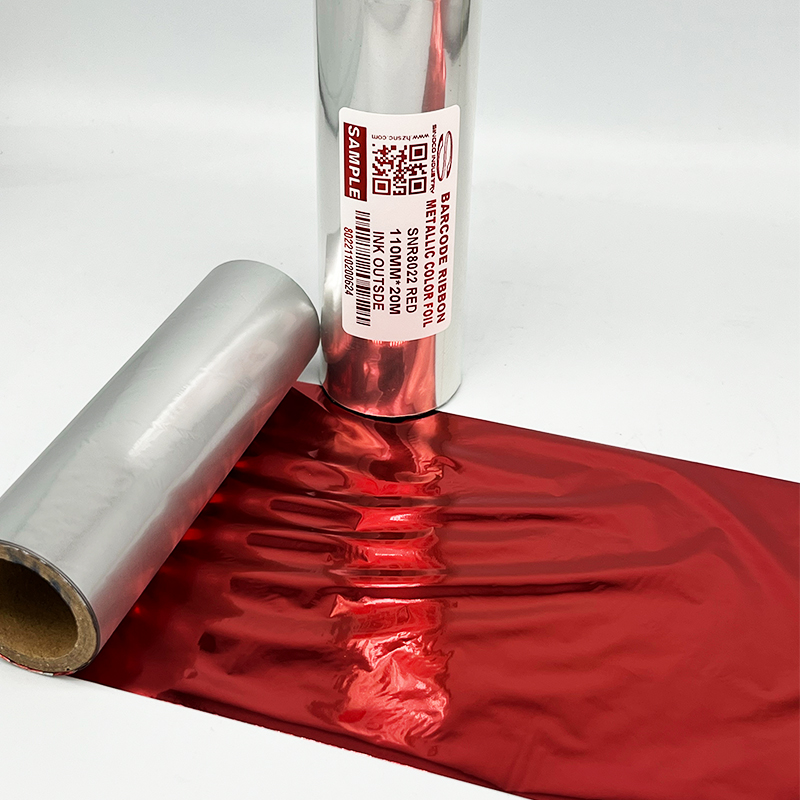
In crowded retail environments where products look alike, coding foil stands out from the crowd, turning ordinary packaging into something consumers can actually feel and remember. Shoppers notice metallic finishes right away on store shelves research indicates these eye-catching effects boost visibility by around 70% compared to regular printed packages. But there's more than just looks going on here. These foils hide secret security elements such as tiny text that's hard to see or special patterns that glow under black light, giving brands both a status symbol and protection against fake copies. Companies working closely with experienced hot stamping suppliers often set up different levels of security measures. For everyday items they might use basic holographic foil, but when it comes to expensive goods, they go for advanced versions with built-in codes and encryption. This multi-level strategy makes copying much harder and lets customers check authenticity through their phones whenever needed. According to recent findings from the Ponemon Institute (2023), businesses adopting this method have seen about 45% fewer fake products showing up in stores. Plus, modern foil materials are getting better at meeting green standards too. Most current metallized options now fit within ISO 14001 recycling requirements, so companies don't have to choose between protecting their brand image and caring for the environment.
Key Advantages at a Glance
| Dimension | Conventional Printing | Coding Foil Application |
|---|---|---|
| Consumer Engagement | Passive visual | Interactive tactile experience |
| Security Level | Basic visual checks | Multi-layered authentication (overt + covert) |
| Perceived Value | Standard | Premium (+34% willingness to pay, McKinsey 2022) |
| Sustainability | Variable recycling | Fully recyclable with standard PET/PP streams |
How Hot Stamping Foil Supplier Partnerships Enable Scalable, Secure Brand Coding
Working closely with specialist hot stamping foil suppliers turns brand coding into something much more than just another production task. These partnerships bring valuable technical know-how to implement hidden security features like holograms, tiny text patterns, and temperature changing inks that counterfeiters struggle to copy. The manufacturers get their hands on special security foils that meet ISO 12931 requirements, which is essential for meeting those strict rules in pharma and luxury markets. Plus, when companies team up for research, they often see around a third drop in integration expenses compared to going it alone. What makes this approach really work well is how quickly it can be rolled out worldwide across different production facilities, all while keeping the unique design elements intact for each product line.
Co-developing Custom Die-Cut and Data-Embedded Foil Solutions
When companies team up technically, they create custom solutions that just aren't possible with off-the-shelf materials. Manufacturers these days are making die cut foils that fit really complicated shapes - think about those curved surfaces or packages with special textures - all thanks to digital prototypes. At the same time as this happens, RFID tags or those NFC chips actually get built right into the foil while it's being made, which lets businesses track individual items throughout their journey. Take one liquor company for instance, they put NFC enabled foil on bottle caps so customers can check authenticity through their phones. Some early tests have shown pretty impressive results too. When suppliers test out designs using actual client equipment first, projects tend to come together about 40 percent quicker than usual. This kind of collaboration really makes a difference in how fast things move from concept to reality.
Ensuring Batch-Specific Serialization and Supply Chain Traceability
When workflows are properly integrated, they give companies the ability to track products in real time by linking foil production directly to batch coding systems. During manufacturing, partners apply special codes to each foil package. These can be encrypted QR codes or UV markers that only show up under certain lights. Each package gets its own unique ID before leaving the factory floor. The advantage? Retailers and distribution centers can scan these packages at various points along the supply chain. If someone tries to divert product from its intended route, these scans will catch it almost immediately. Many industry leaders are now using this system as part of their security strategy. They implement different levels of verification throughout the supply network, making it much harder for counterfeit goods to enter legitimate channels.
| Security Tier | Application | Counterfeit Reduction |
|---|---|---|
| Standard | Mass-market packaging | 35% (PwC Global Economic Crime Survey, 2023) |
| Encrypted | Luxury goods, pharmaceuticals | 67% (Interpol Intellectual Property Crime Directorate, 2024) |
Such partnerships reduced gray market infiltration by 52% within monitored supply chains through blockchain-verified foil serials.
Innovative Applications of Coding Foil Across Packaging Layers
QR-Activated AR Experiences via Variable-Data Foil on Secondary Packaging
QR codes printed on variable data foil can actually bring augmented reality to life when someone scans them with a phone. What was once just plain packaging now becomes something people can interact with directly. When shoppers point their smartphone cameras at these special codes, they might see how to assemble a product, watch behind-the-scenes content about the brand, or even check if an item is genuine. The best part? This tech does double duty for companies wanting to protect their products from fakes. Each of those foil-based QR codes has its own secret digital fingerprint that regular copying methods simply cannot duplicate, making it much harder for counterfeit goods to slip into the market unnoticed.
Tiered Security: Standard Coding Foil for Core SKUs vs. Encrypted Micro-Foils for Premium Lines
Many brands are now applying different levels of security features depending on product price points. For everyday items sold in bulk, they typically use regular coding foils that most people can see but not copy easily. Their premium products get something much more advanced though - those shiny holograms that change colors when tilted or special foils that shift appearance under different lighting conditions. These help stop amateur counterfeiters from making knockoffs. When it comes to really expensive stuff, manufacturers go all out with tiny tags so small that only special equipment can read them. These little markers contain important information about where and when each batch was made, including exact GPS locations and time stamps. The whole system saves companies around 37 percent on verifying authenticity according to recent studies, yet still keeps high end products protected against sophisticated fraud attempts as noted in last year's Packaging Security Benchmark Report.
Measuring Impact: Authentication Efficacy and Counterfeit Deterrence
To really understand how well coding foil works, we need to look at two main things: how often it successfully authenticates products and how much it cuts down on fake items. The numbers tell quite a story too. Brands that go with multi-layer foil security typically hit around 95-97% accuracy when people check authenticity via smartphones. Counterfeit problems? They tend to drop somewhere between 35% and 55% after about a year and a half once these foils are in place. Why does this happen? Well, the foil itself has some pretty cool features. Those tamper-evident layers make it obvious if someone tries to mess with the packaging. And then there are those tiny taggants invisible to the naked eye but super useful for experts doing deeper checks. Looking for a good hot stamping foil provider? Definitely want someone who can show real-time stats and performance tracking through their dashboards. That way, businesses know exactly what's working and what needs improvement.
- Real-time authentication attempts across geographic regions
- Counterfeit interception rates at distribution checkpoints
- ROI analysis comparing security investment versus revenue recovery
Top performing security programs usually mix visible features such as holographic strips along with hidden markers that need special equipment to spot. When companies layer these different protection levels, it makes copying their products really expensive for counterfeiters. According to some industry data from 2023, fake producers actually need around three times the usual investment just to copy those fancy foil details. Beyond saving money, this kind of proactive defense helps keep about 5 to maybe 8 percent of yearly sales that would otherwise go down the drain due to knockoffs. Plus, consumers tend to trust brands more when they can check where their products came from throughout the supply chain.
FAQ
What is coding foil, and how does it benefit brand differentiation?
Coding foil is a metallic finish applied to packaging that enhances visibility and provides security features. It helps brands differentiate their products by making them more visually appealing and harder to counterfeit.
How do hot stamping foil supplier partnerships improve brand security?
These partnerships provide technical expertise to implement advanced security features, such as holograms and temperature-changing inks, making it difficult for counterfeiters to replicate products.
What role does technology play in modern foil security applications?
Technology allows for the embedding of RFID and NFC chips in foils, enabling real-time tracking and authentication of products. It also supports augmented reality experiences through QR-code-based interactions.
Is coding foil environmentally sustainable?
Modern coding foils are designed to meet green standards, with most options fitting within ISO 14001 recycling requirements, making them both effective and environmentally friendly.
How effective are coding foils in reducing counterfeit products?
When implemented, coding foils can reduce fake products by approximately 35% to 55% and improve consumer trust through visible and covert security features.
Table of Contents
- Why Coding Foil Is a Strategic Asset for Brand Differentiation
- How Hot Stamping Foil Supplier Partnerships Enable Scalable, Secure Brand Coding
- Innovative Applications of Coding Foil Across Packaging Layers
- Measuring Impact: Authentication Efficacy and Counterfeit Deterrence
-
FAQ
- What is coding foil, and how does it benefit brand differentiation?
- How do hot stamping foil supplier partnerships improve brand security?
- What role does technology play in modern foil security applications?
- Is coding foil environmentally sustainable?
- How effective are coding foils in reducing counterfeit products?