 EN
EN

Why Ribbon-Substrate Matching Determines Print Quality
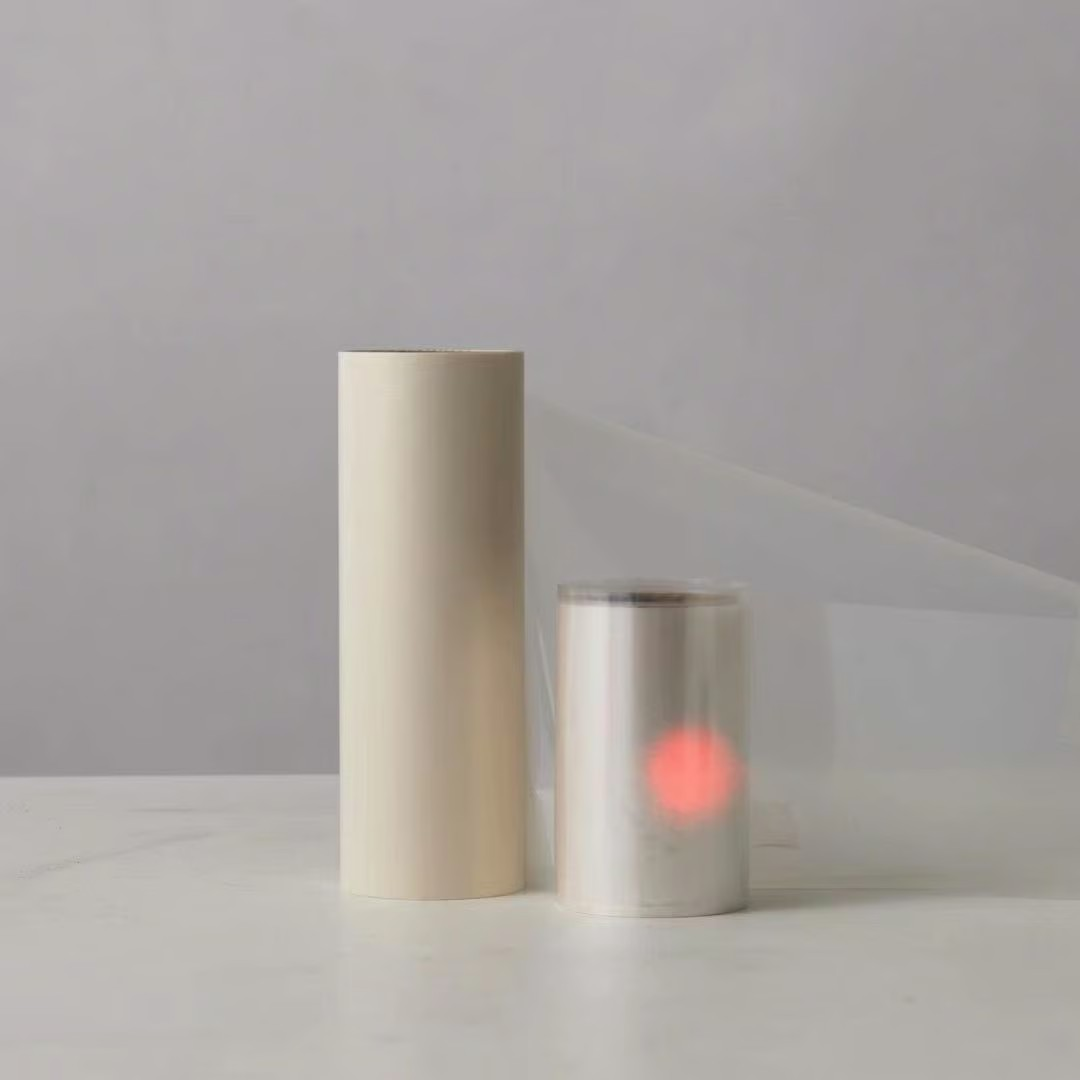
A thermal transfer ribbon import shipment arriving with the wrong ribbon type for the warehouse's label stock produces barcodes that smear, fade, or refuse to scan. The thermal transfer process melts ink from ribbon onto a label substrate under heat and pressure from the printhead. If the ribbon chemistry does not bond to the substrate, the print fails — regardless of printhead resolution.
Wax, Wax-Resin, and Resin — Three Ribbon Types
Wax ribbons — the lowest-cost option — melt at 65°C to 85°C and sit on the label surface. They bond adequately to uncoated paper for short-life uses: shipping labels, retail tags, warehouse picking labels handled once or twice. Wax-resin ribbons blend wax with synthetic resin, resisting moderate abrasion and moisture. Resin ribbons — pure synthetic resin — melt at 90°C to 120°C and chemically bond to synthetic substrates, resisting solvents, oils, outdoor UV exposure, and repeated handling.
Real-World Case — A Logistics Hub Fixes Unreadable Barcodes
A German pharmaceutical logistics hub experienced a 7% barcode failure rate. Investigation revealed procurement had standardized on a single wax ribbon for all labels — including polypropylene labels on cold-chain shipments. The wax ink sat on the polypropylene without bonding; condensation dissolved the print within hours. Switching to resin ribbons for synthetic labels and wax-resin for coated paper dropped the failure rate below 0.3%. SINOCO, an ISO-certified thermal transfer ribbon import manufacturer, produces the full range of wax, wax-resin, and resin ribbons engineered for specific substrate compatibility.
Matching Ribbon to Substrate Material
Paper, Coated Paper, Polypropylene, and Polyester
Uncoated paper labels accept wax ribbons — melted wax absorbs slightly into paper fibers. Coated paper (glossy or semi-gloss) requires wax-resin; pure wax slides off. Polypropylene (PP) labels accept wax-resin for indoor use and resin for outdoor or cold-chain. Polyester (PET) labels — for electronics, automotive parts, chemical drums — require resin exclusively. Using wax on polyester produces print that rubs off with finger pressure. For businesses relying on thermal transfer ribbon import supply, understanding substrate compatibility prevents costly mis-specification.
Environmental Factors That Influence Ribbon Choice
Temperature, Abrasion, Chemical Exposure, and Outdoor Durability
Wax prints soften above 40°C — unsuitable for labels on machinery, engine components, or outdoor equipment in summer. Wax-resin tolerates 60°C — adequate for ambient warehouse and indoor logistics applications. Resin withstands 100°C to 150°C depending on formulation — required for automotive parts labels, chemical drum identification, and outdoor equipment subjected to direct sun. Abrasion resistance — labels rubbing against adjacent cartons, conveyor rollers, or handling equipment — demands wax-resin or resin. Chemical exposure to oils, solvents, and cleaning agents requires resin. Outdoor exposure — direct UV, rain, and freeze-thaw cycles — requires resin on a polyester substrate with UV-stabilized ink formulation.
Five Steps to Select the Right Ribbon
A Practical Selection Framework for Procurement
First, identify the label substrate. Second, define required service life. Third, identify environmental exposures. Fourth, select ribbon type — wax for short-life paper, wax-resin for moderate durability, resin for maximum durability on synthetics. Fifth, test the combination on the actual printer at production speed — a ribbon printing perfectly at 4 ips may smear at 10 ips. A thermal transfer ribbon import supplier providing technical compatibility guidance saves far more in avoided print failures than any per-roll price difference.
Frequently Asked Questions
What happens when the wrong ribbon type is used on a label?
Wax on synthetic labels produces ink that sits on the surface without bonding — it smears on contact and dissolves with moisture exposure. Resin on uncoated paper wastes money because the higher-cost resin is unnecessary for short-life paper labels. Correct thermal transfer ribbon import specification prevents both failure modes. SINOCO provides substrate-matched ribbon recommendations for each label material.
Which ribbon works on polypropylene labels?
Wax-resin suits indoor polypropylene labels for retail shelf tags, warehouse bin labels, and logistics picking applications where moderate durability is adequate. Resin ribbons are required for outdoor, cold-chain, or chemical-exposure polypropylene applications — for example, pharmaceutical labels exposed to condensation in refrigerated transport. SINOCO manufactures both wax-resin and resin ribbons specifically formulated for polypropylene substrate adhesion.
Can one ribbon type work for all label materials?
No. A thermal transfer ribbon import program should stock at least wax-resin for coated paper and polypropylene labels, plus resin for polyester labels and demanding environments. Standardizing on a single ribbon type across all substrates guarantees print failure on at least one material — typically the synthetic labels where wax ink sits on the surface without bonding.
How does temperature affect ribbon selection?
Wax prints soften above 40°C. Wax-resin tolerates 60°C. Resin withstands 100°C to 150°C. A thermal transfer ribbon import specification must match the highest surface temperature the label encounters.
What is the difference between wax-resin and full resin ribbons?
Wax-resin blends wax with synthetic resin — offering good abrasion and moisture resistance at moderate cost, suitable for coated paper labels and indoor polypropylene applications. Full resin ribbons are pure synthetic resin — providing maximum chemical, solvent, and temperature resistance at higher cost per roll, required for polyester labels in automotive, electronics, and outdoor industrial environments. A thermal transfer ribbon import program should stock both types to cover the full range of substrate durability requirements.
How should ribbon-substrate compatibility be tested?
Test the exact ribbon formulation on the exact label stock on the actual printer model at the intended production speed — not on a different printer at a different speed. Verify barcode scannability after exposing the printed label to the environmental conditions it will encounter in use — heat, cold, moisture, abrasion, or chemical contact. A ribbon that passes a slow-speed desktop printer test may smear or delaminate at production line speeds.