 EN
EN

How to Choose Wax-Resin Ribbons for Retail Labels
Material Science and Thermal Transfer Mechanics
Chemical Formulations and Substrate Molecular Adhesion
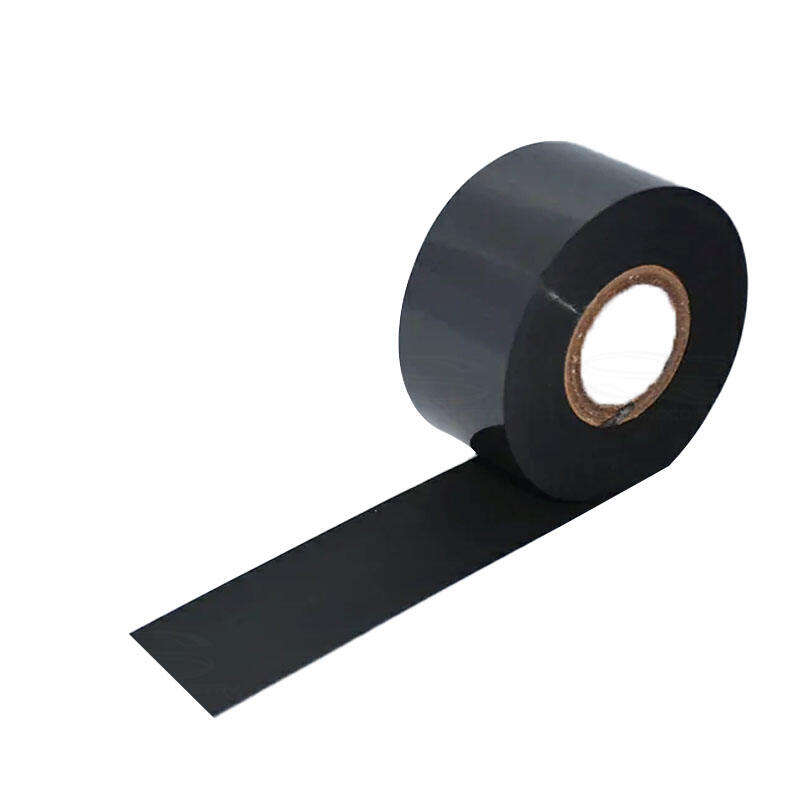
Selecting the appropriate variable data imaging media requires a comprehensive understanding of polymer chemistry and thermal dynamics. In the broad marketplace of thermal transfer consumables, understanding different coding foil types is essential for achieving scannable retail asset tracking. A standard wax-resin ribbon is engineered using a precise compound formulation that blends synthetic resins with petroleum-based wax matrices. Pure wax formulations melt at lower printhead temperatures but lack physical durability, while pure resin requires intense thermal energy to cure. The hybrid wax-resin configuration balances these traits, allowing the wax component to facilitate rapid ink release at moderate energy thresholds while the resin cross-links to form a rugged, scratch-resistant barrier upon cooling. This specialized molecular structure ensures superior chemical adhesion to diverse retail label facesheets, including semi-gloss coated papers, polypropylene, and polyethylene substrates, preventing structural ink flaking during high-speed handling.
Thermal Printhead Heat Management and Backcoating Integrity
The mechanical life of a thermal transfer printing system depends heavily on the friction dynamics present at the point of ink transfer. When a digital barcode printer generates high-density images, the delicate ceramic heating elements on the printhead cycle through rapid temperature spikes. High-quality ribbon structures incorporate a highly specialized silicone-based backcoating layer that makes direct contact with the printhead surface. This advanced backcoating layer maintains a low coefficient of static friction and neutralizes static electricity buildup, which otherwise attracts airborne micro-dust and causes premature printhead resistor burnout. By stabilizing thermal conductivity across the polyimide carrier film, the backcoating ensures that the wax-resin ink layer melts uniformly across the entire web width. This precise heat control eliminates incomplete transfers and pinhole voids, guaranteeing that intricate retail font characters and fine-lined barcodes maintain exceptional edge crispness.
Regulatory Compliance and Logistics Performance
Verification of Scanning Standards and Code Quality Metrics
Modern retail supply networks require absolute consistency in automated inventory tracking systems, where a single unreadable barcode can disrupt automated sortation centers. Industrial print validation workflows evaluate label clarity using strict international standardizations, specifically ISO/IEC 15416, which governs bar code print quality test specifications. A premium wax-resin selection ensures that printed barcodes achieve high optical contrast grades, preventing low-contrast scanning rejections at automated checkout points. Furthermore, adhering to global GS1 barcode requirements means that the symbol geometry must remain perfectly stable without smudging under physical handling. Utilizing a scientifically balanced ribbon formulation reduces edge bleeding during the thermal phase, ensuring that narrow-bar dimensions remain within strict regulatory tolerances and preventing systemic logistical delays across global supply networks.
Environmental Endurance and Mechanical Abrasion Defenses
Retail merchandise experiences severe mechanical and environmental stress as it travels from automated manufacturing hubs to public display shelves. Labels applied to consumer products face continuous surface abrasion from conveyor belt guardrails, sorting bins, and close contact packaging friction during long-distance transit. Standard wax coatings rub off easily under these conditions, turning vital tracking symbols into illegible smudges. A premium wax-resin ribbon provides exceptional mechanical defense by locking the pigment within an engineered synthetic polymer matrix. This durable structure offers strong resistance against smearing caused by friction, high humidity in storage rooms, and superficial contact with household oils or cleaning agents. This durability ensures that price tags, tracking codes, and product information panels stay completely readable throughout the entire lifecycle of the retail item.
Industrial Procurement and Supply Chain Competence
Auditing Technical Metrics for Bulk Sourcing Actions
Procurement managers and supply chain directors must use rigorous technical auditing protocols when selecting manufacturing partners for variable data consumables. A reliable evaluation process extends past initial product pricing to analyze critical physical parameters, such as ribbon slitting accuracy, wind tension uniformity, and trailer tape configuration. Inconsistent slitting tolerances can introduce microscopic ruffling along the ribbon ribbon edge, causing tracking errors and web breaks inside high-speed industrial printers. Sourcing personnel look for production facilities that utilize automated slitting machinery and integrated optical inspection systems to catch structural defects prior to packaging. This thorough industrial vetting process minimizes machine downtime on downstream fulfillment floors, providing a reliable operational foundation for global asset identification.
Production Capacity and Global Distribution Security
Executing complex coating formulations and high-volume ribbon slitting with absolute consistency requires an industrial collaborator with extensive manufacturing infrastructure and a mature international logistics network. This level of technical precision and global B2B supply fluency is what characterizes established manufacturing specialists like SINOCO. By operating advanced automated coating lines and employing strict mechanical stress-testing protocols, SINOCO ensures that every modular batch of wax-resin ribbons achieves the exact physical tolerances and thermal transfer definitions required for international retail deployment. The large-scale production setup manages massive bulk demands smoothly while maintaining complete compliance with global material standardizations. This manufacturing capability provides international procurement entities and distribution networks with a highly dependable source of verified imaging assets designed to protect data integrity across international borders.
Frequently Asked Questions
Why do wax-resin ribbons perform better than pure wax on semi-gloss labels?
Semi-gloss retail labels feature a smooth surface coating that limits the absorption of pure wax inks, making them prone to smudging. The synthetic resin content inside a wax-resin ribbon chemically fuses with the synthetic polymers in the paper coating, creating a highly durable physical bond.
How does printhead energy level affect the choice of ribbon types?
Different ribbon formulations require distinct thermal energy levels to release ink properly. Wax-resin ribbons are engineered to operate at moderate heat settings, preventing the premature printhead wear associated with pure resin formulations while delivering far greater durability than standard wax choices.
What is the role of ribbon backcoating in preventing barcode defects?
The silicone backcoating minimizes physical friction between the moving ribbon and the static printhead. It also dissipates static charges generated during high-speed printing, preventing dust attraction and uneven ink release that causes unreadable barcode gaps.