 EN
EN


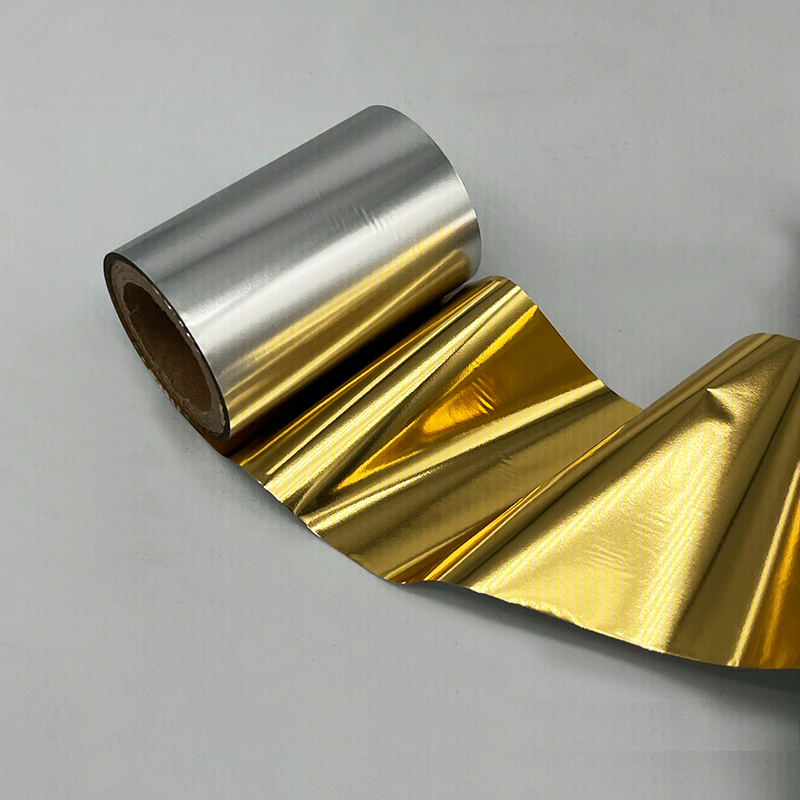
Heat or Ribbon: Choosing Between Direct Thermal and Thermal Transfer for Your Labeling Workflow
Two thermal printing technologies dominate the labeling industry, and they are not interchangeable. Direct thermal printing uses heat-sensitive paper that darkens when the printhead applies heat — no ribbon, no ink, no toner. Thermal transfer printing uses a ribbon coated with wax, resin, or hybrid formulation that melts onto the label substrate under printhead heat. The choice between them determines label durability, per-label cost, and printer maintenance profile.
How Each Technology Works
Direct Thermal: Chemistry in the Paper, Not the Printer
Direct thermal labels are coated with a leuco-dye layer that undergoes a chemical reaction when heated above approximately 70°C. The printhead elements selectively heat the coating, creating dark marks where heat is applied. The entire printing system consists of the printhead and the label roll — no consumable ribbon to replace, no ribbon waste to dispose of.
This simplicity drives direct thermal's primary advantage: the lowest per-label cost in thermal printing. A direct thermal label costs 0.008–0.025 per 4×6-inch label including paper cost and printhead wear; the equivalent thermal transfer label costs 0.015–0.040 including ribbon consumption. For high-volume, short-lifecycle applications — shipping labels scanned once or twice before disposal, warehouse pick tickets, event badges — the direct thermal cost advantage is compelling.
The limitation is durability. Direct thermal prints are chemically unstable — exposure to heat (leaving a package in a hot delivery truck), UV light (outdoor storage), or chemical contact (cleaning solutions, oils, solvents) darkens the entire label coating, rendering the print illegible. Direct thermal labels also darken over time through gradual thermal and UV exposure, with typical readable lifespan of 6–12 months under controlled indoor conditions and weeks to months under variable conditions.
Thermal Transfer: The Ribbon Delivers Print Longevity
Thermal transfer printing separates the imaging chemistry from the label material. The thermal transfer ribbon carries the ink coating; the label substrate provides the surface. Because the ribbon coating is a stable formulation — wax, wax-resin, or resin — rather than a chemically reactive coating, the printed image resists heat, UV, moisture, and chemical exposure to a degree determined by the ribbon chemistry selected.
Hangzhou Sinoco Industry's thermal transfer ribbon portfolio covers the full durability spectrum: SNW1300 wax ribbon for standard paper labels, SNM2600/SNM2800 wax-resin for coated paper and light-synthetic substrates, and SNR6900 resin ribbon for the most demanding industrial, chemical, and outdoor applications. This chemistry flexibility means a single printer platform serves applications from shipping labels to chemical-drum identification by changing the ribbon and label material — the printer hardware remains identical.
Application Decision Framework
When Direct Thermal Wins
Direct thermal is the correct choice when: the label's functional life is under 90 days, the label will not be exposed to temperatures above 50°C, no chemical or solvent contact is anticipated, and per-label cost is the primary selection criterion. Shipping labels, retail shelf tags, visitor badges, and temporary inventory labels all fall cleanly into direct thermal territory.
When Thermal Transfer Is Required
Thermal transfer is mandatory when: the label must remain legible beyond 6 months, exposure to heat, sunlight, moisture, or chemicals is anticipated, the substrate is synthetic (PET/PP/vinyl) rather than paper, or regulatory requirements mandate label durability (GHS, medical UDI, automotive VIN). In these applications, direct thermal fails regardless of cost advantage.
A useful decision heuristic: if label unreadability within a year would be a problem, thermal transfer with appropriate ribbon chemistry is the answer. If labels are discarded within weeks, direct thermal applies.
Real-World Technology Decision
A food distributor shipping temperature-controlled products used direct thermal labels for pallet identification in their refrigerated warehouse. During summer months, pallets staged briefly on the loading dock — where ambient temperatures exceeded 40°C — showed label darkening that made barcodes unscannable within 30 minutes of sun exposure. The shipping-error rate from unscannable labels reached 3.2% during July and August. The distributor switched to Sinoco SNM2600 wax-resin thermal transfer ribbon on coated paper labels — a 0.012 per-label cost increase — and eliminated temperature-induced label failure entirely. The annual savings from avoided reshipping costs and labor for manual label reprinting exceeded the ribbon cost by approximately 18,000.
Frequently Asked Questions
Can thermal transfer printers also print direct thermal labels?
Yes — most thermal transfer printers can operate in direct thermal mode by disabling the ribbon mechanism and loading direct thermal labels. The reverse is not true: direct thermal-only printers cannot use thermal transfer ribbons because they lack the ribbon supply and take-up mechanisms.
How long do thermal transfer printed labels last?
Wax-printed paper labels last 1–3 years under indoor conditions. Wax-resin on coated paper lasts 3–5 years. Resin on synthetic labels lasts 5–10+ years depending on environmental exposure. Sinoco's resin ribbon formulations are specified for the most demanding longevity requirements including outdoor equipment labeling.
Why do direct thermal labels sometimes arrive pre-darkened?
Heat exposure during shipping or storage — particularly in truck trailers or warehouses exceeding 40°C — triggers the leuco-dye reaction in direct thermal paper. Once darkened, the coating cannot be restored. Direct thermal labels should be stored below 30°C and used within 12 months of manufacture.
Does ribbon width need to exactly match label width?
Ribbon width should equal or slightly exceed label width — typically 4–6mm wider than the label to prevent printhead abrasion from direct contact with the label edge. Using ribbon narrower than the label width leaves unprinted margin areas and risks printhead damage at the label edges.
Are thermal transfer ribbons compatible with all label materials?
No — ribbon chemistry must match the label substrate. Wax ribbons work on paper only. Wax-resin works on coated paper and light synthetics. Resin is required for PET, PP, PE, vinyl, and polyimide labels. Sinoco's technical team provides substrate-compatibility guidance for specific material combinations.
What is the environmental comparison between direct thermal and thermal transfer?
Direct thermal eliminates ribbon waste but chemically coated paper is not recyclable through standard paper streams. Thermal transfer generates ribbon waste (PET film carrier with residual coating) but allows recyclable label substrates. The per-label environmental impact depends more on label material choice and disposal pathway than on the printing technology itself.