Building 2, Dongfang Mao Commercial Center, Hangzhou, Zhejiang, China +86-18858136397 [email protected]
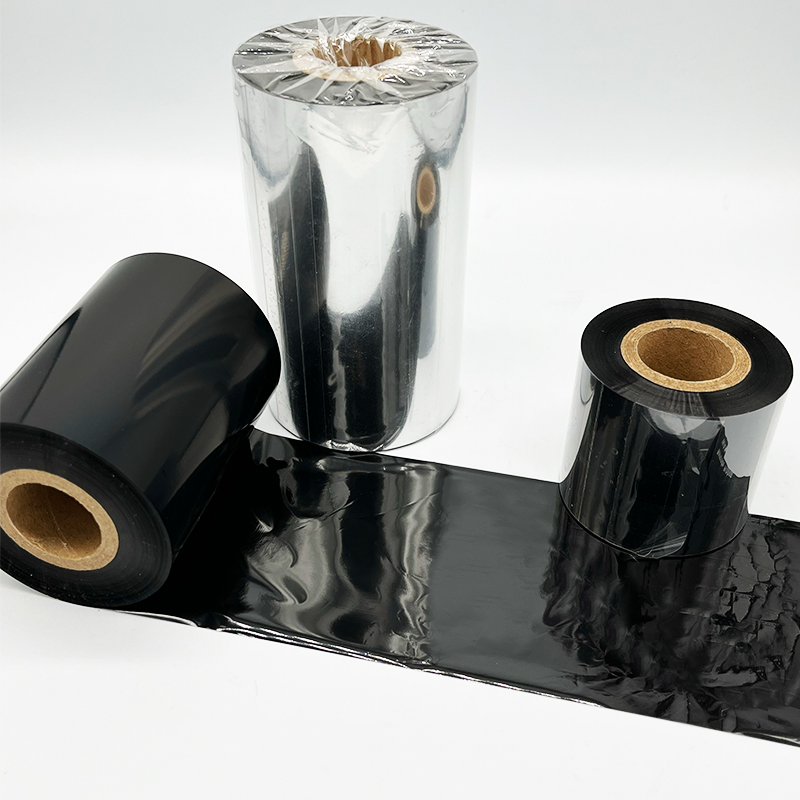
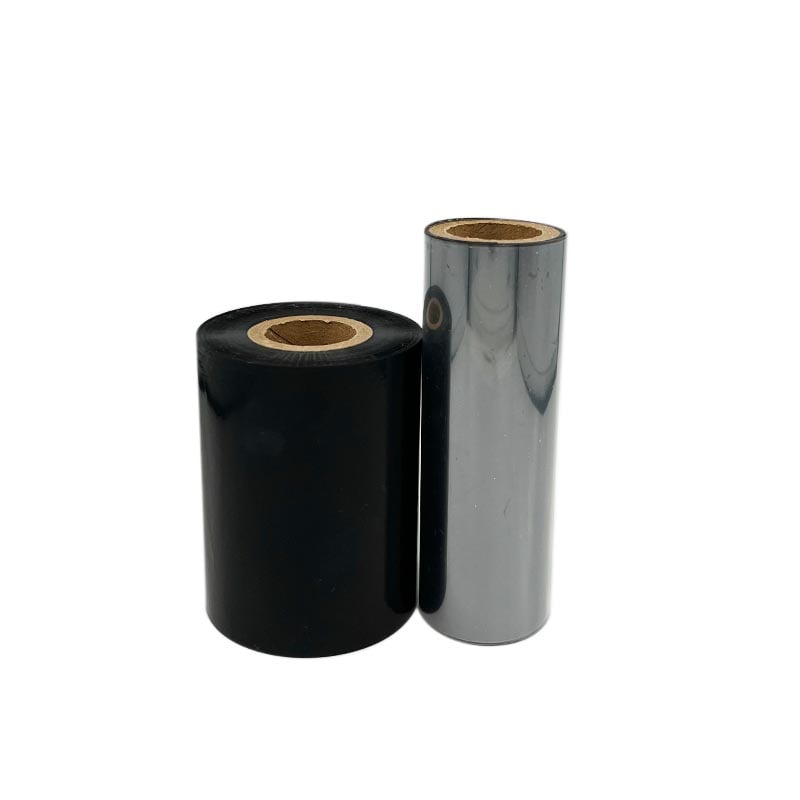
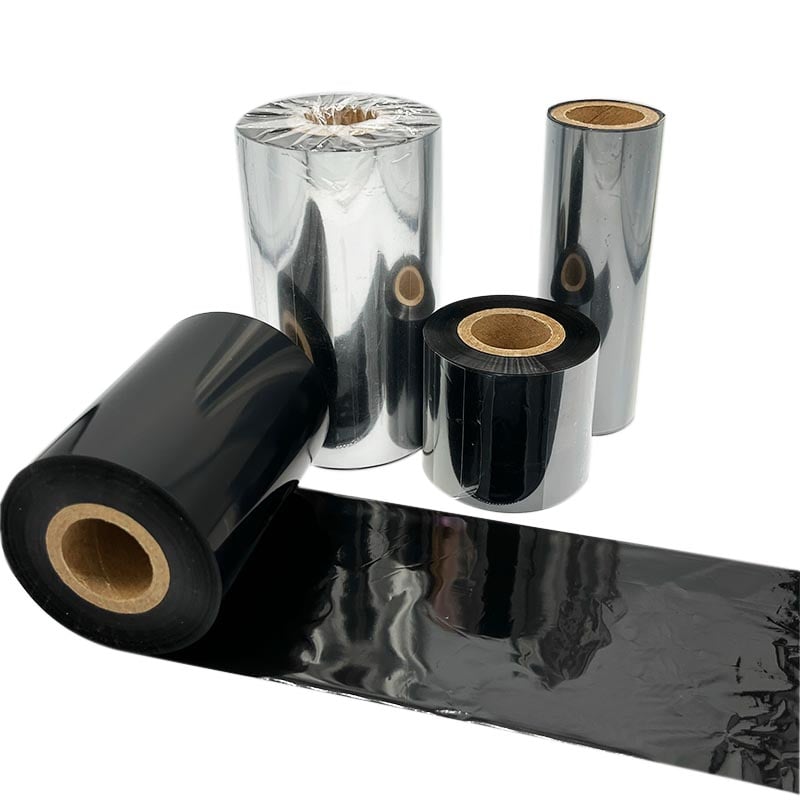
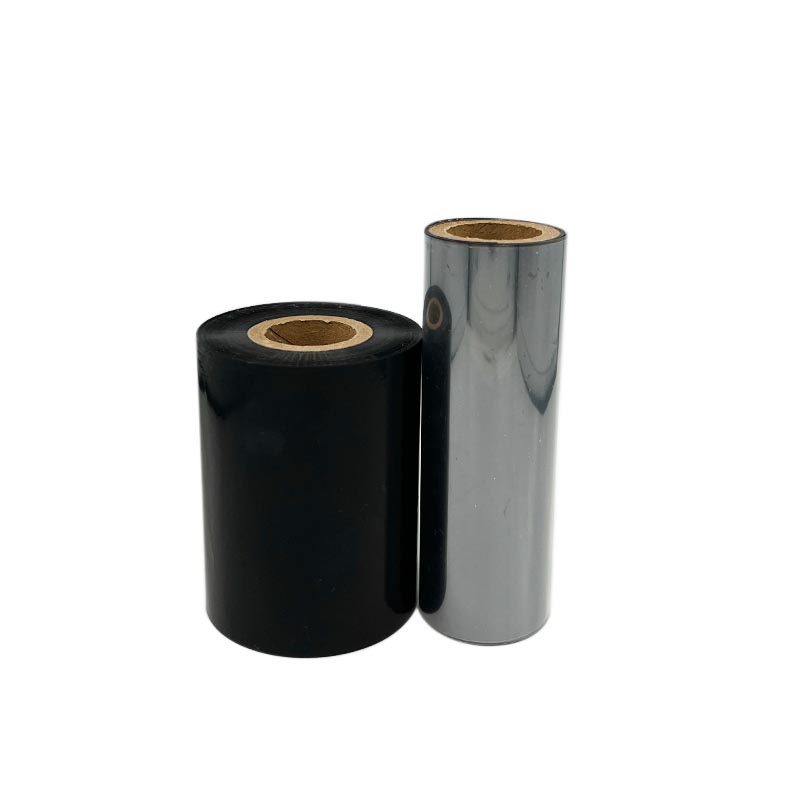
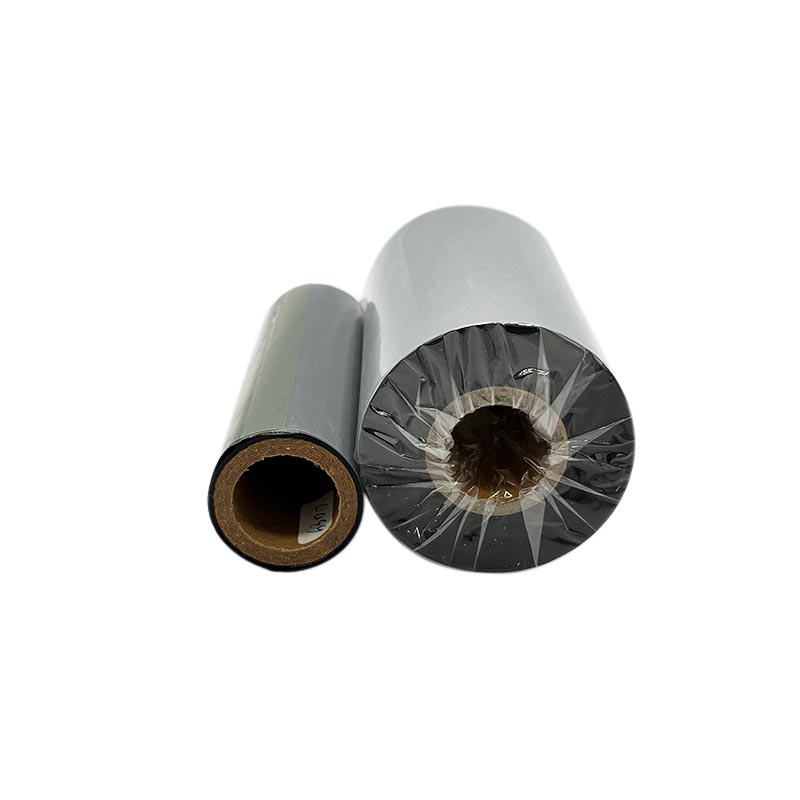
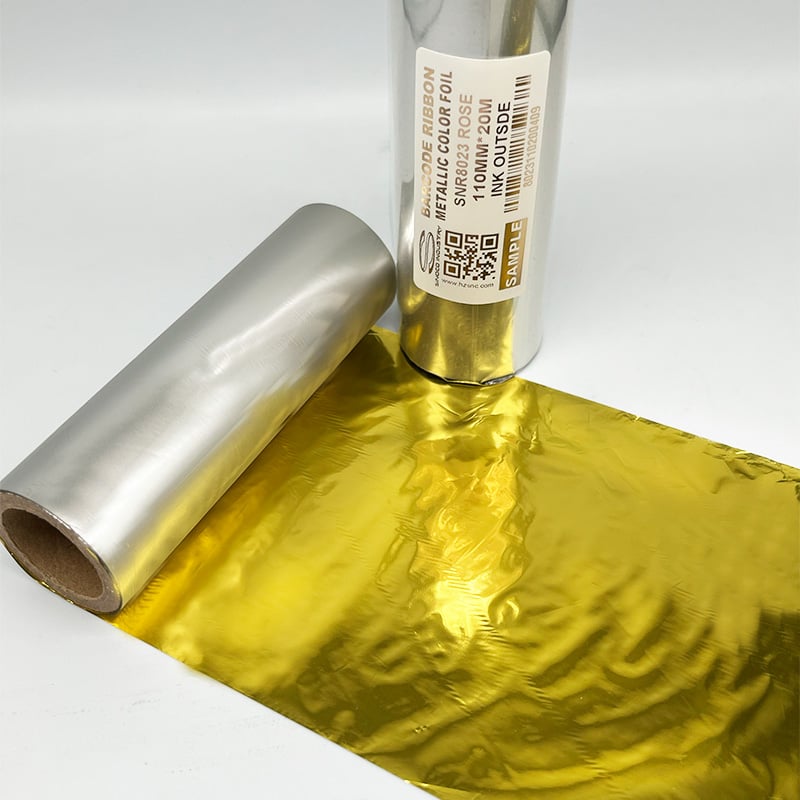
The coating process is the core technological stage in thermal transfer ribbon manufacturing, where precise layers of ink are applied to a polyester film base to create the functional printing medium. This sophisticated process involves creating a complex multi-layer structure on the film. A release coating is applied on top of the ink layer to facilitate smooth and consistent ink transfer from the ribbon to the label substrate during printing. The ink layer itself is a carefully formulated blend of pigments, waxes, resins, and additives that determine the ribbon's key performance characteristics, such as its melting point, rub resistance, and chemical resilience. Beneath the ink, a specialized back coating is applied to the other side of the polyester film. This critical layer serves multiple purposes: it protects the printhead from abrasion, reduces static buildup, and prevents ribbon sticking or wrinkling during high-speed printing. The precision in the coating's uniformity, thickness, and dispersion is paramount; any inconsistency can lead to print defects like voids, streaks, or uneven density. Advanced manufacturers utilize high-precision coating heads and controlled drying environments to apply these layers with micrometer accuracy, ensuring batch-to-batch consistency and optimal performance. The specific formulation and thickness of each coating layer are tailored to produce the three main ribbon types: wax, wax-resin, and resin. For more detailed information on how our coating technology can be applied to your specific labeling challenges, please contact us to speak with our engineering team.