Building 2, Dongfang Mao Commercial Center, Hangzhou, Zhejiang, China +86-18858136397 [email protected]
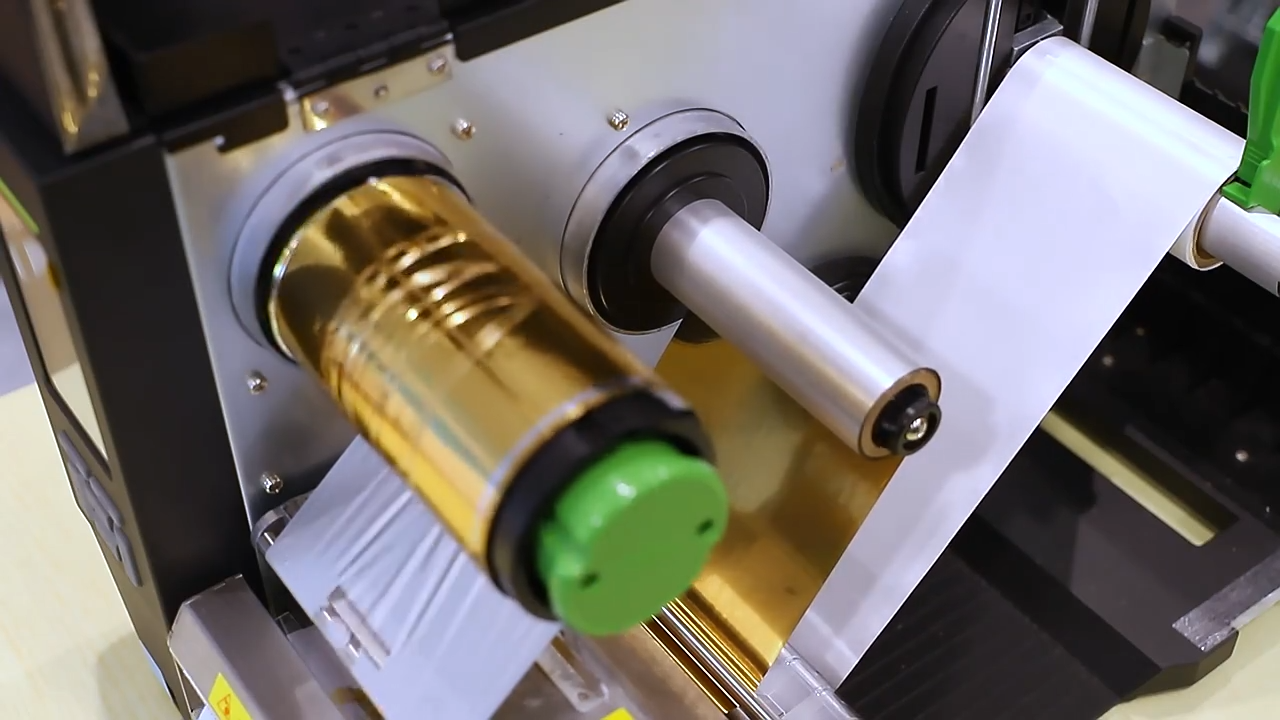
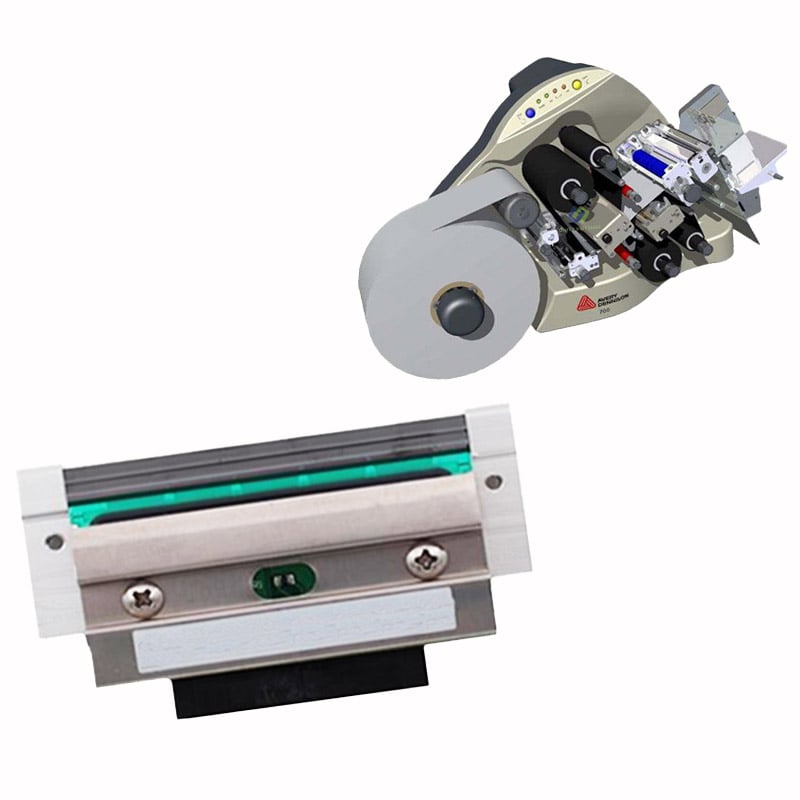
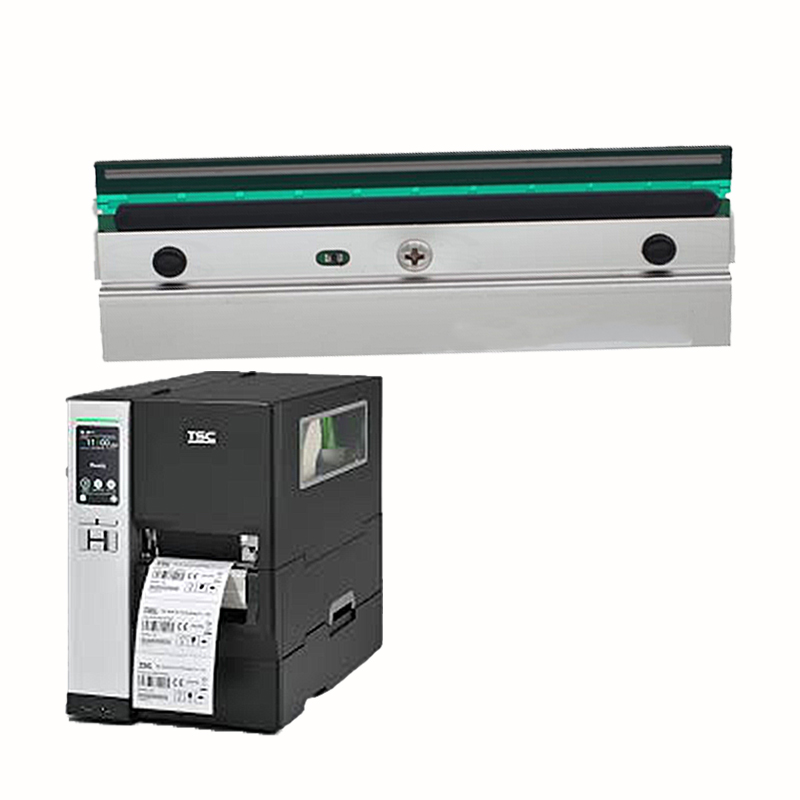
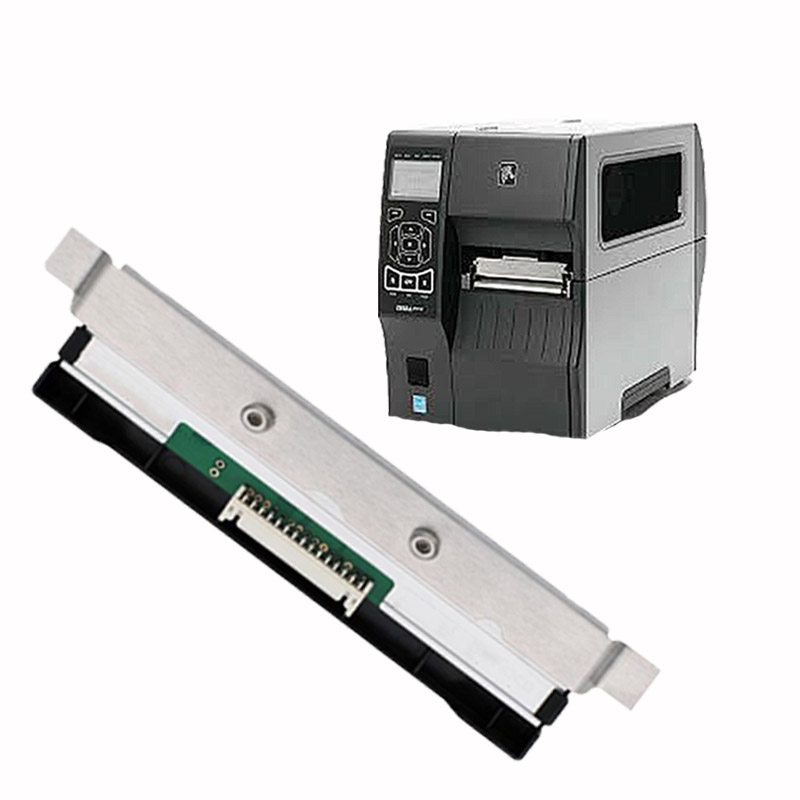
The price of a ribbon printer is determined by a confluence of engineering factors, performance capabilities, and built-in features, rather than being a single standardized metric. Initial purchase price varies significantly based on the printer's duty cycle, ranging from cost-effective desktop units designed for intermittent use to premium industrial-grade systems engineered for 24/7 continuous operation in demanding environments. Key components influencing price include the print technology (dot line vs. near-edge printheads), maximum print speed (e.g., 4 inches per second vs. 14 inches per second), print resolution (203 dpi, 300 dpi, 600 dpi), and the durability of the construction materials. Additional features such as integrated Ethernet, Wi-Fi, Bluetooth connectivity, a large memory buffer for complex graphics, and a high-capacity ribbon rewinding system also contribute to the overall value and cost. It is crucial to evaluate the total cost of ownership (TCO), which encompasses not only the initial investment but also long-term operational expenses like ribbon yield efficiency, energy consumption, maintenance cycles, and the availability and cost of consumables and spare parts. A printer with a slightly higher initial price but superior reliability and lower maintenance needs often provides a significantly lower TCO. To receive a detailed and accurate price quotation tailored to your specific model requirements, volume needs, and any potential customization, we encourage you to contact our sales department directly. Our team will provide a comprehensive breakdown based on your exact configuration.