Building 2, Dongfang Mao Commercial Center, Hangzhou, Zhejiang, China +86-18858136397 [email protected]
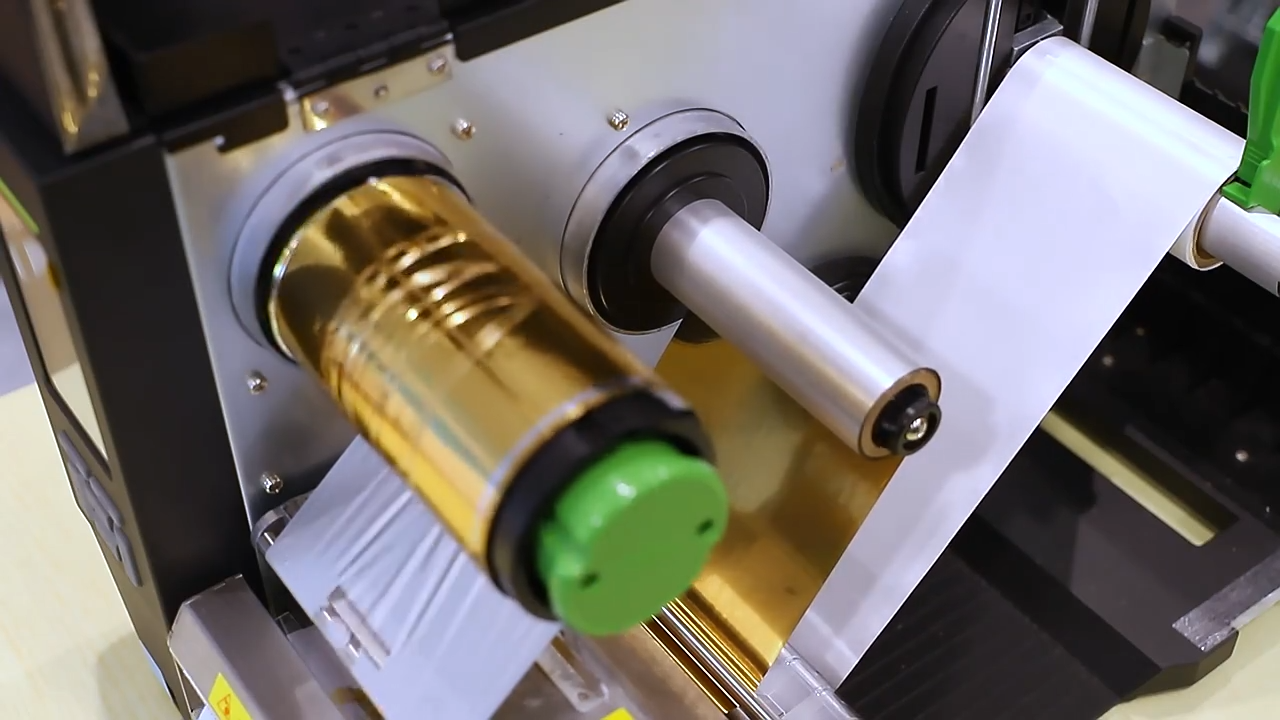
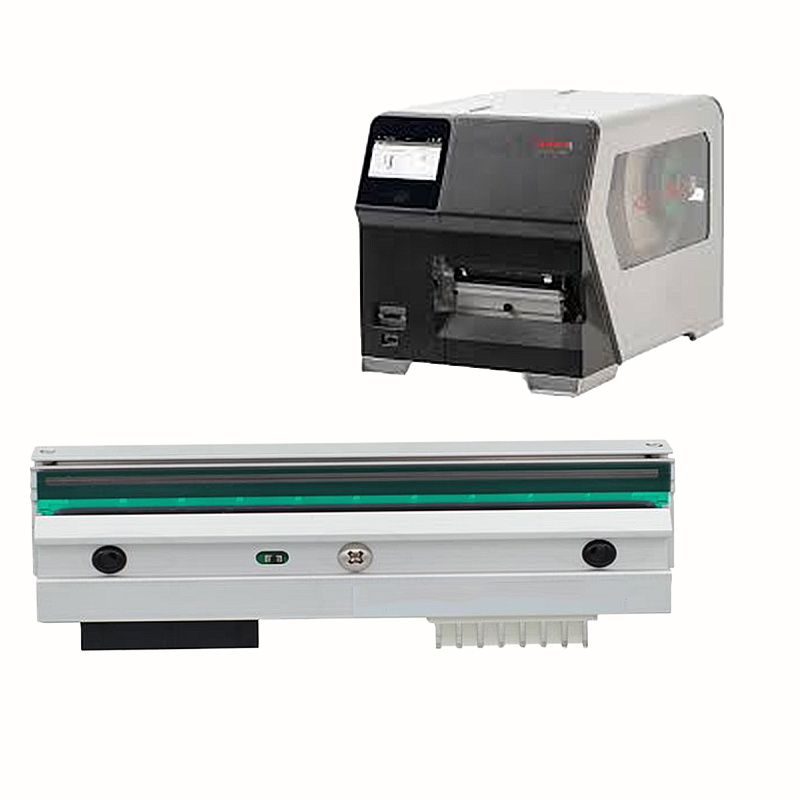
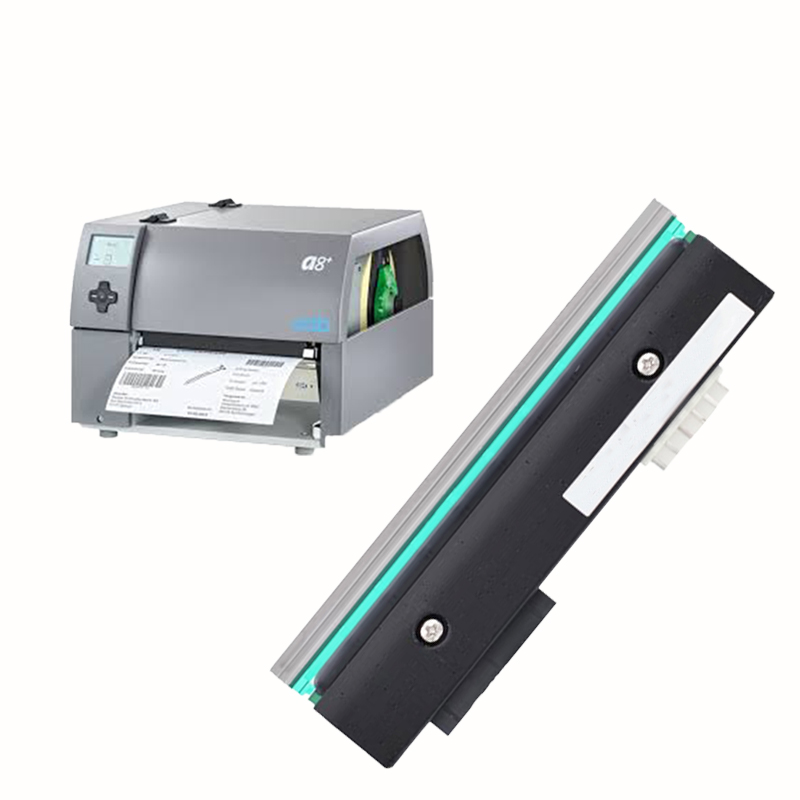
Ribbon printer compatibility is a fundamental technical consideration that directly dictates print quality, operational reliability, and the total cost of ownership for any Thermal Transfer Overprint (TTO) system. Compatibility is not universal; it specifically refers to the precise match required between the TTO printer model (and its specific printhead), the material of the packaging substrate being printed on, and the type of ink ribbon formulation used. Using an incompatible ribbon is a primary cause of poor print quality, premature printhead failure, and increased downtime. The core types of ribbons are wax, wax-resin, and resin, each designed for different substrates and performance requirements. Wax ribbons are cost-effective and compatible with porous materials like paper and cardboard but offer limited durability. Wax-resin ribbons provide a balance of smudge resistance and flexibility, making them compatible with a wider range of coated papers and some synthetic films. Pure resin ribbons are designed for maximum durability and chemical resistance on non-porous synthetic films like PET, PE, and PP, which are common in food and medical packaging. Furthermore, compatibility extends to physical dimensions: the ribbon core size, outer diameter, and winding direction must exactly match the printer's ribbon drive system. Manufacturers often design their printers to work optimally with their own branded ribbons to ensure perfect compatibility, and using third-party ribbons can sometimes void warranties. A practical scenario involves a meat packager using a resin ribbon on a PE film package to ensure the use-by date remains legible despite moisture and friction. For guaranteed ribbon-printer compatibility that ensures flawless coding performance and protects your hardware investment, we advise consulting our technical experts for a recommendation based on your specific printer model and substrate.