Building 2, Dongfang Mao Commercial Center, Hangzhou, Zhejiang, China +86-18858136397 [email protected]
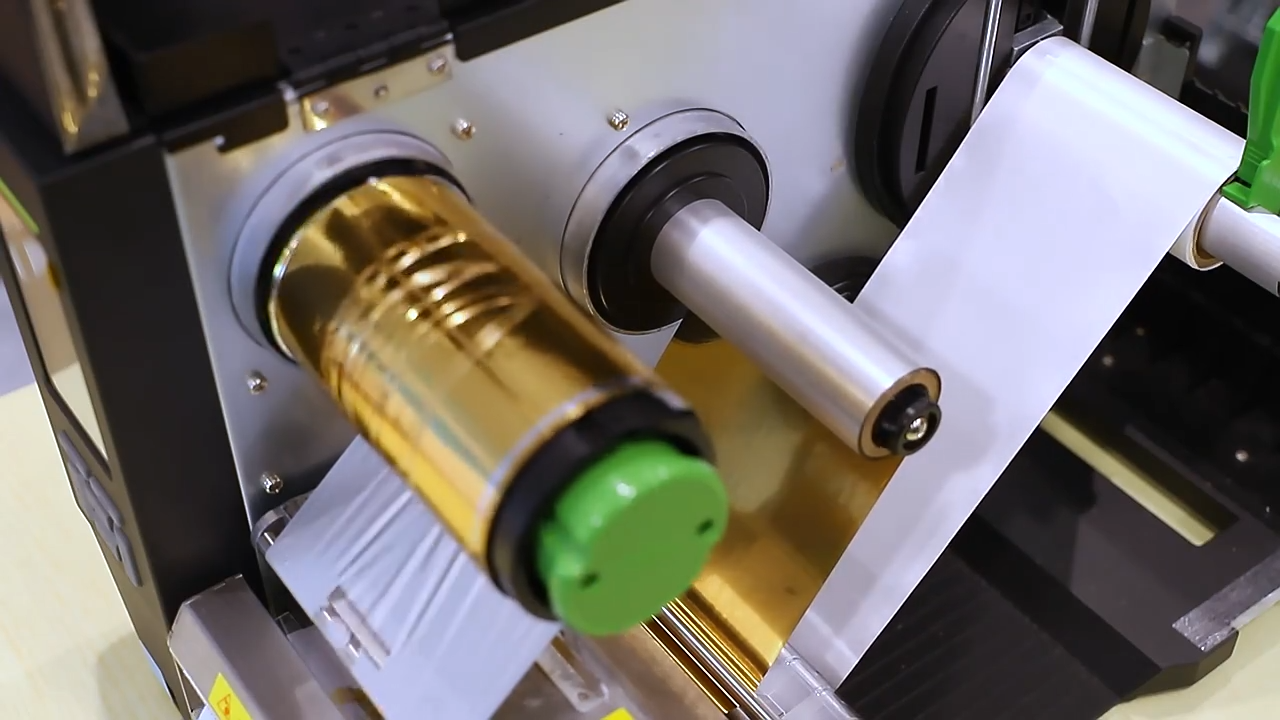
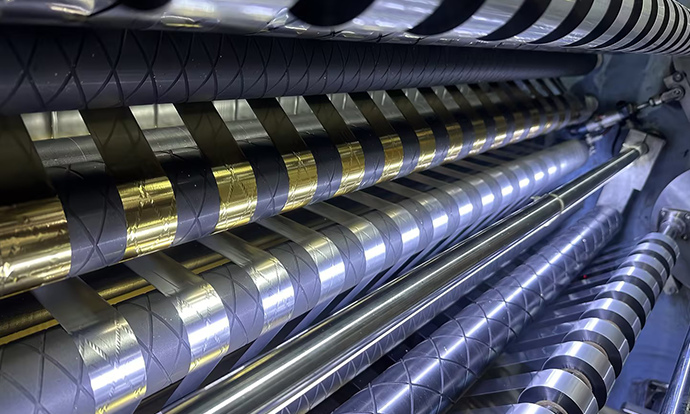
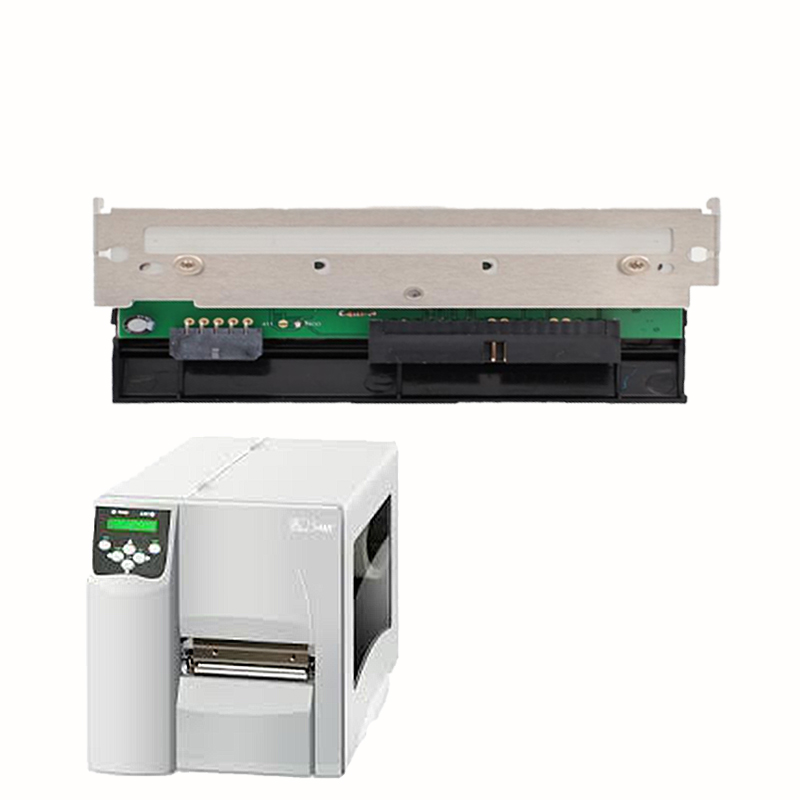
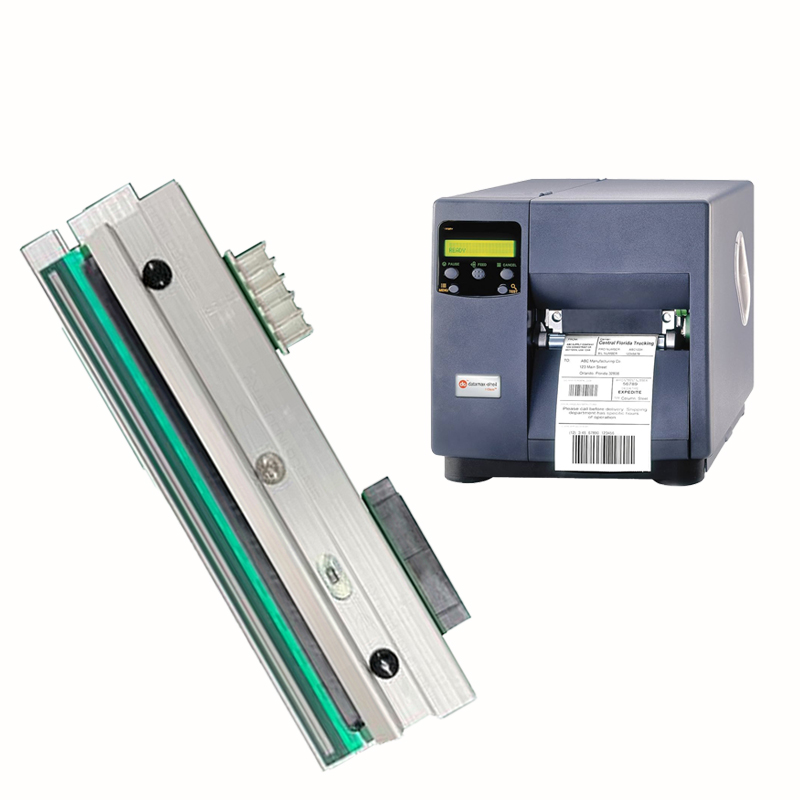
Ribbon printer speed, in the context of Thermal Transfer Overprint (TTO) technology, is a critical performance metric that refers to the maximum rate at which the printer can produce legible, high-quality codes while synchronized with a fast-moving production line. It is typically measured in millimeters or inches per second. This speed is not solely determined by the printer's mechanics but is a complex function of several interdependent factors: the printer's internal processing power, the efficiency of its thermal printhead in transferring ink, the specific type of ink ribbon being used (wax, wax-resin, resin), and the density of the information being printed. Printing a simple, small line of text can be achieved at a much higher speed than printing a large, complex graphic or a high-density 2D data matrix code, which requires the printhead to energize more dots per inch. The substrate material also plays a role; achieving adequate adhesion on certain films at high speed may require adjustments. Modern industrial TTO printers are engineered for high-speed operations, with many models capable of printing at speeds exceeding 400 mm/s, making them compatible with today's high-throughput form-fill-seal (FFS) machines, vertical cartoners, and flow wrappers. However, selecting a printer based solely on its maximum rated speed is insufficient. The application must be evaluated holistically to ensure that the chosen printer can maintain the required print quality and code content at the line's operational speed without sacrificing legibility or incurring excessive ribbon waste. For a detailed analysis of the ribbon printer speed capabilities required for your specific production environment and to select a model that optimizes both throughput and quality, please contact our technical sales team for expert guidance.