

Building 2, Dongfang Mao Commercial Center, Hangzhou, Zhejiang, China +86-18858136397 [email protected]
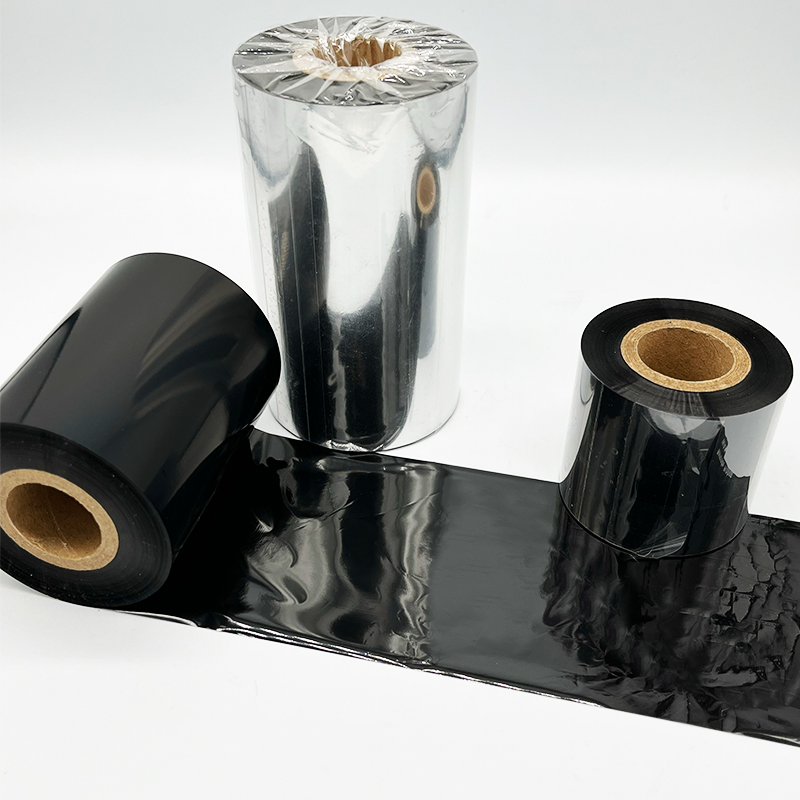
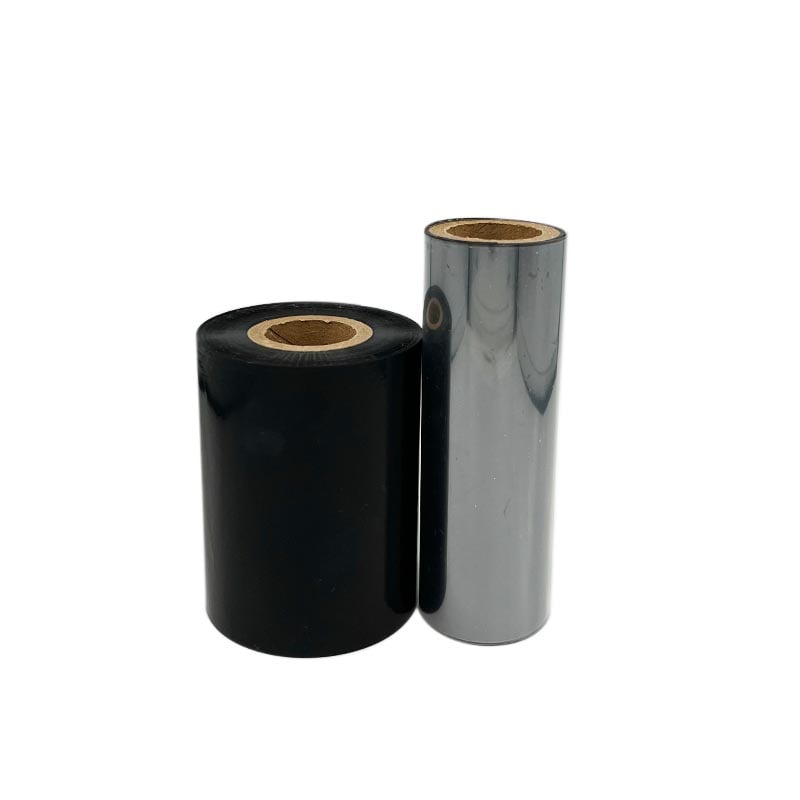
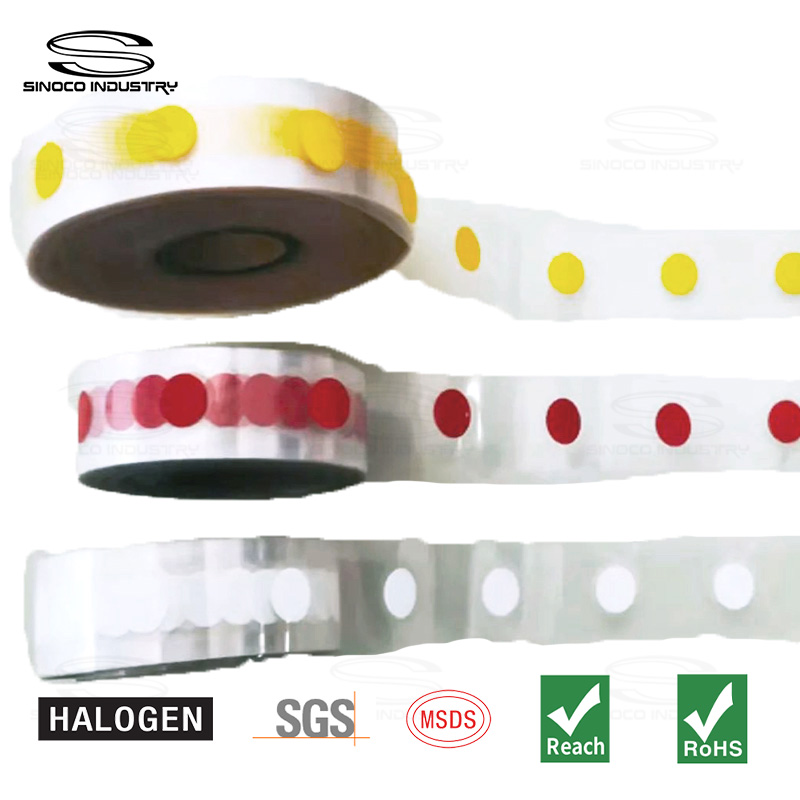
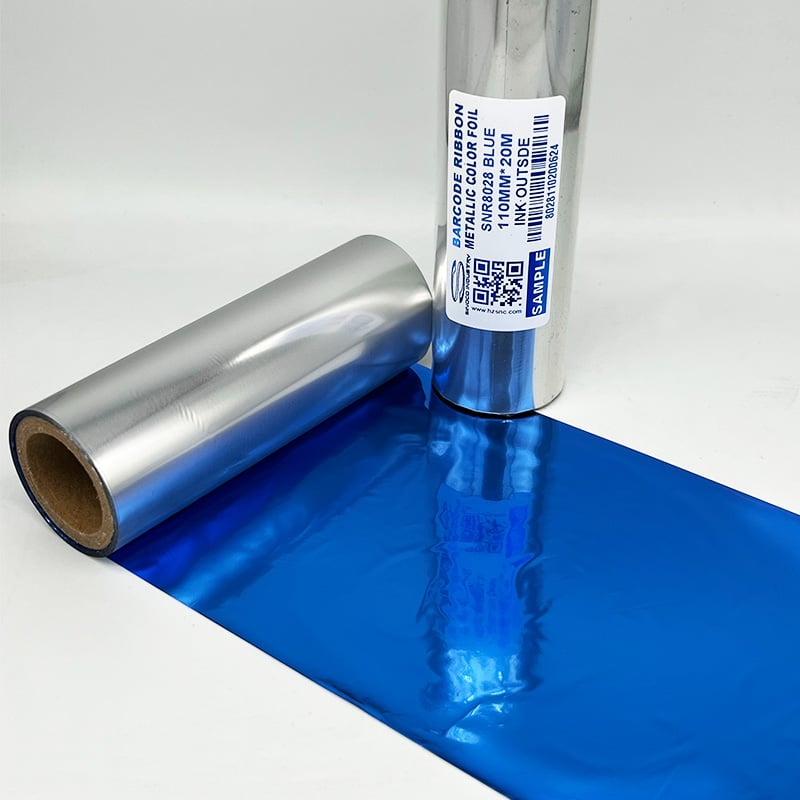
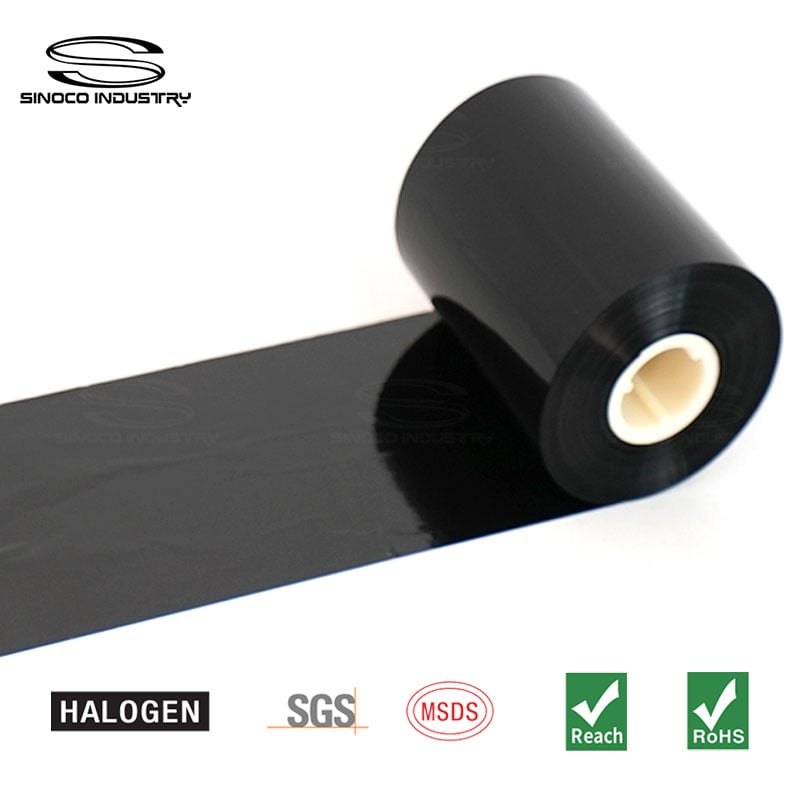
Coding foil has diverse applications across industries, each leveraging its unique properties. In food packaging, it codes expiration dates, batch numbers, and origin—using non-toxic, moisture-resistant foil to ensure readability through refrigeration and transport, preventing food waste and ensuring safety. Pharmaceuticals use foil for tamper-proof batch coding and expiration dates; heat-resistant foil withstands sterilization, while UV-security foil reduces counterfeiting, protecting public health. Logistics relies on abrasion-resistant foil for barcode labels—ensuring scannability even after handling, supporting efficient tracking of packages. Textiles use wash-resistant foil for care labels (temperature, washing instructions), maintaining legibility after multiple washes, guiding consumers and complying with standards. Cosmetics use metallic foil (gold, silver, rose) for branding—enhancing product aesthetics on lipstick tubes or perfume boxes, appealing to consumers. Electronics use heat-resistant foil for component labeling, withstanding soldering temperatures to track part numbers. Luxury goods use high-gloss metallic foil for authentication codes, boosting brand trust. Hangzhou Sinoco Industry Co., Ltd. tailors foil to applications: SNR6900 for textile washcare, SNM2800 for logistics barcodes, and metallic SNR8220 for cosmetics. Its foil integrates with various printers, ensuring seamless coding, supporting efficient, compliant operations across industries.