Building 2, Dongfang Mao Commercial Center, Hangzhou, Zhejiang, China +86-18858136397 [email protected]
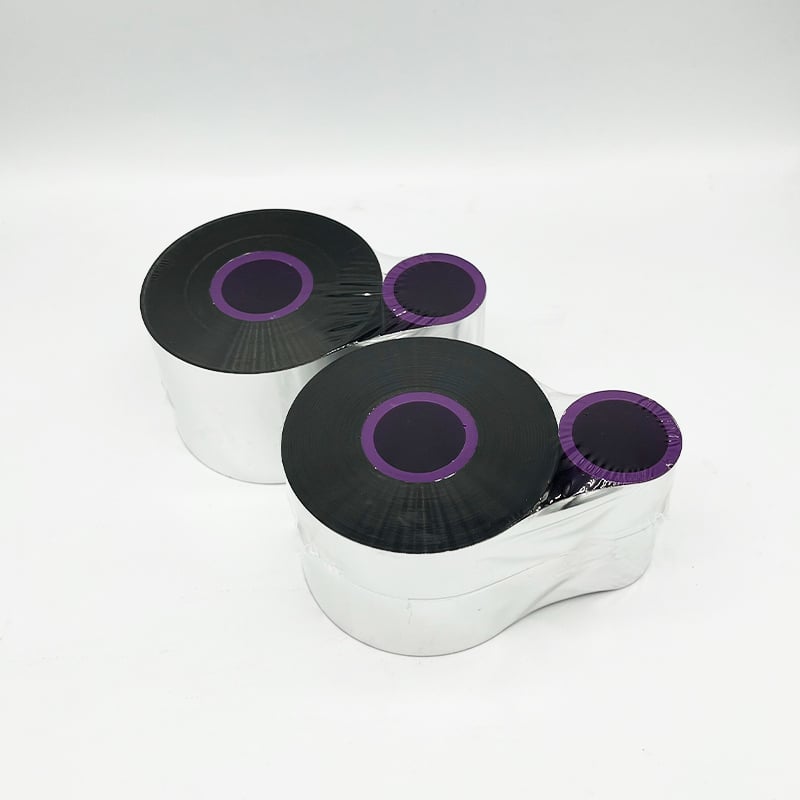
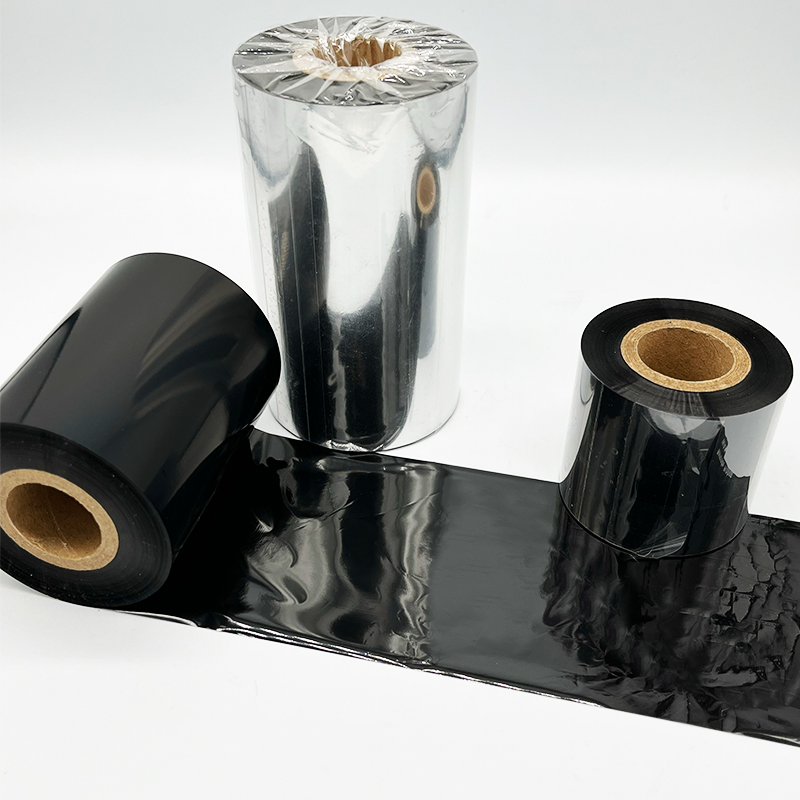
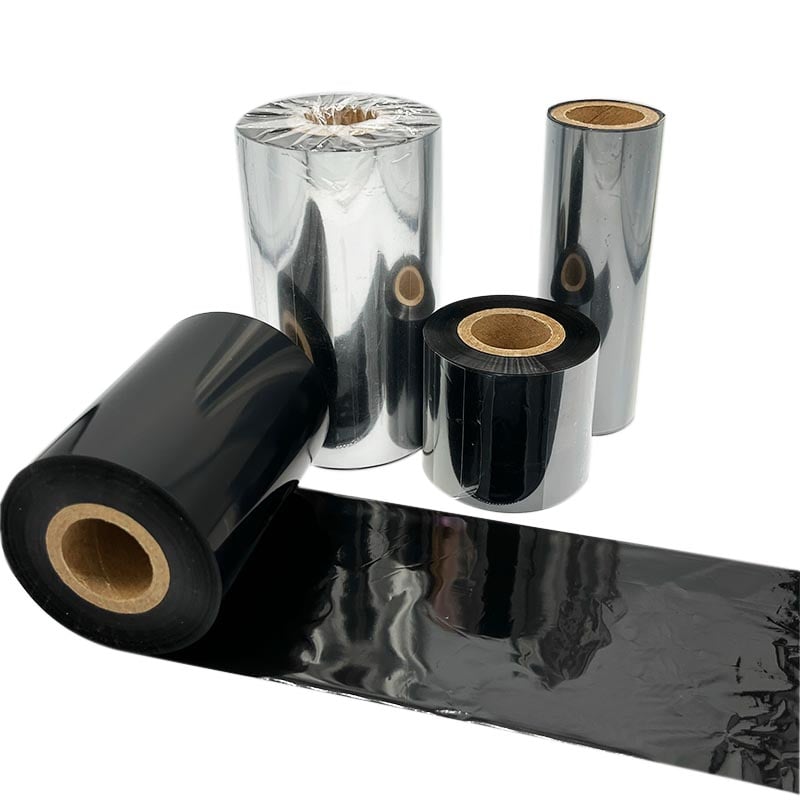
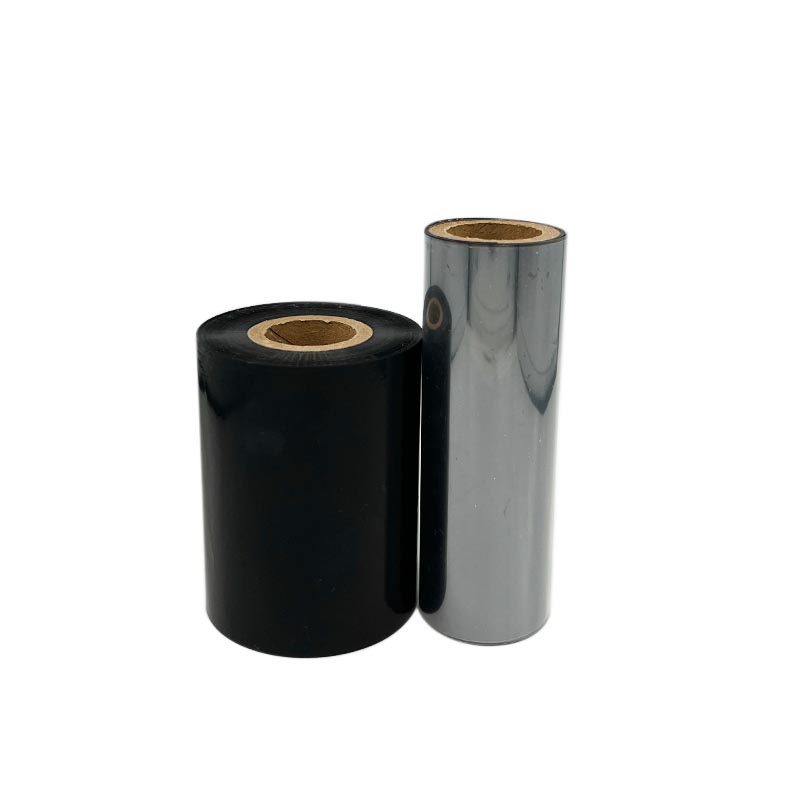
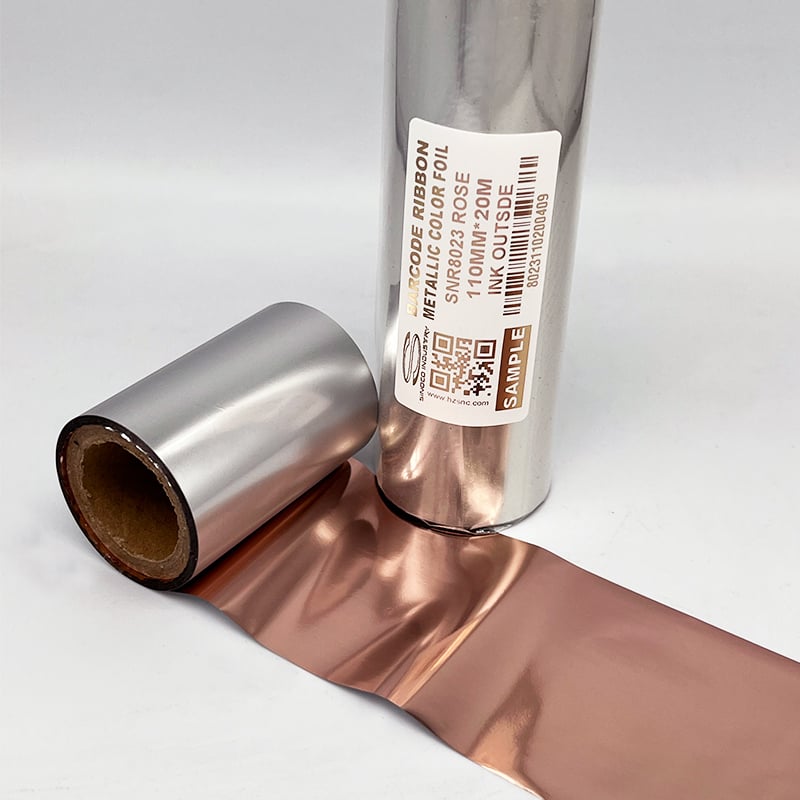
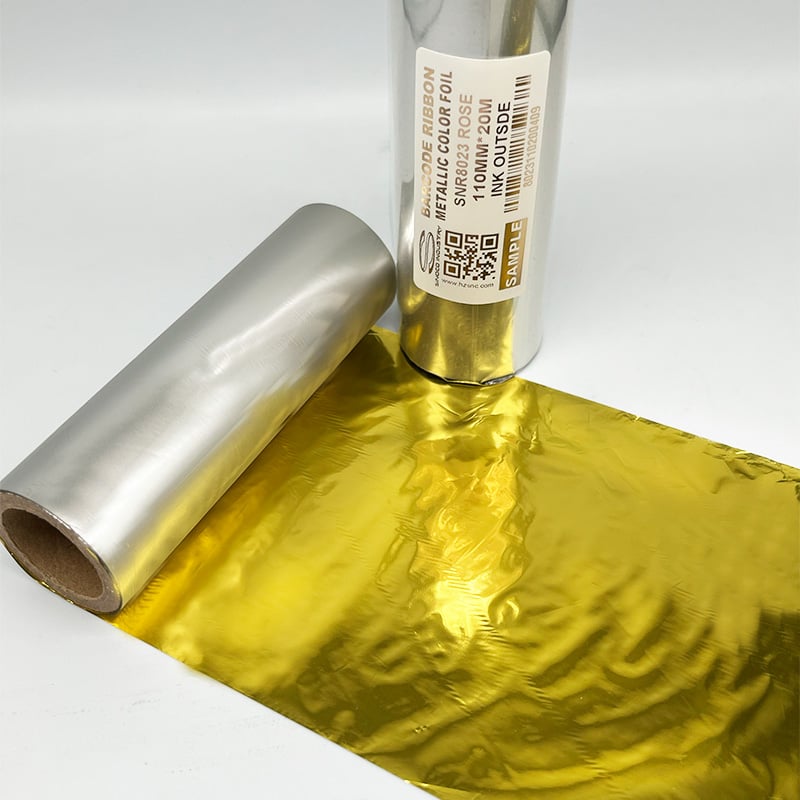
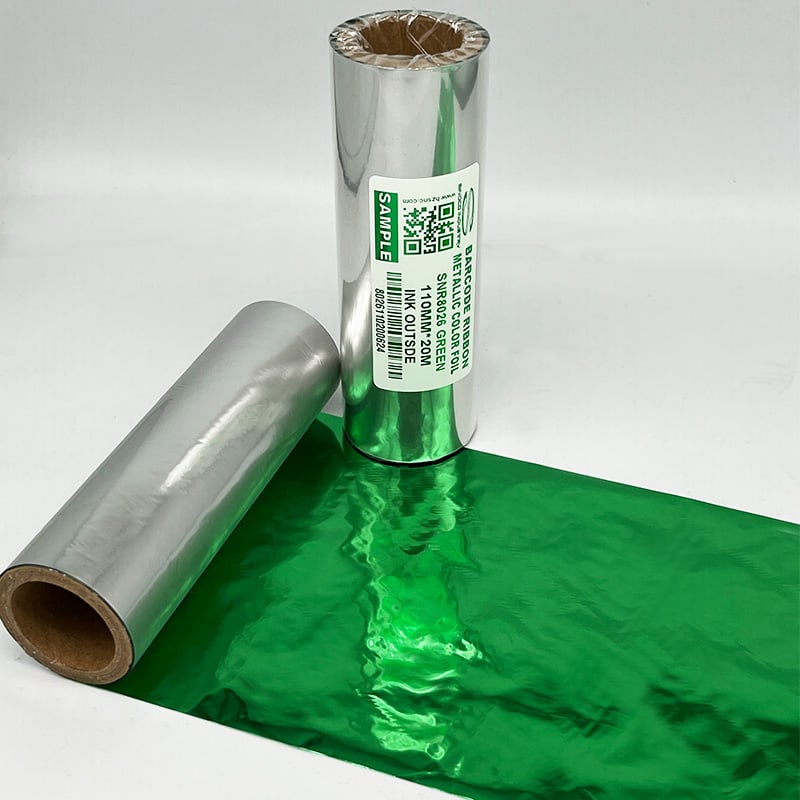
Thermal transfer ribbon compatibility is a fundamental technical consideration that directly dictates the success and quality of any labeling operation. It is a two-fold concept: compatibility with the printer model and, crucially, compatibility with the label substrate material. Firstly, the physical dimensions of the ribbon roll—specifically its core size (e.g., 1-inch or 1.5-inch), outer diameter, and width—must match the specifications of the printer's ribbon cassette and media path. Using an incorrectly sized ribbon can cause printer jams and malfunctions. Secondly, and most importantly, the ribbon's chemical composition must be matched to the surface chemistry of the label material. A standard wax ribbon is compatible with uncoated paper labels, offering a cost-effective solution for short-term indoor applications. A wax-resin hybrid ribbon provides enhanced water and abrasion resistance, making it compatible with coated paper and some synthetic materials for longer-lasting labels. A full resin ribbon is designed for optimal adhesion and durability on a wide range of synthetic substrates like polyester, polypropylene, and vinyl, ensuring legibility even when exposed to harsh chemicals, extreme temperatures, and outdoor weathering. Selecting an incompatible ribbon, such as using wax on a synthetic label, will result in poor adhesion, smudging, and an unreadable barcode. We strongly advise consulting compatibility charts or seeking expert advice to ensure perfect synergy between your ribbon, printer, and labels. For precise guidance on compatible ribbons for your specific materials and environment, please contact our technical support team.