Building 2, Dongfang Mao Commercial Center, Hangzhou, Zhejiang, China +86-18858136397 [email protected]
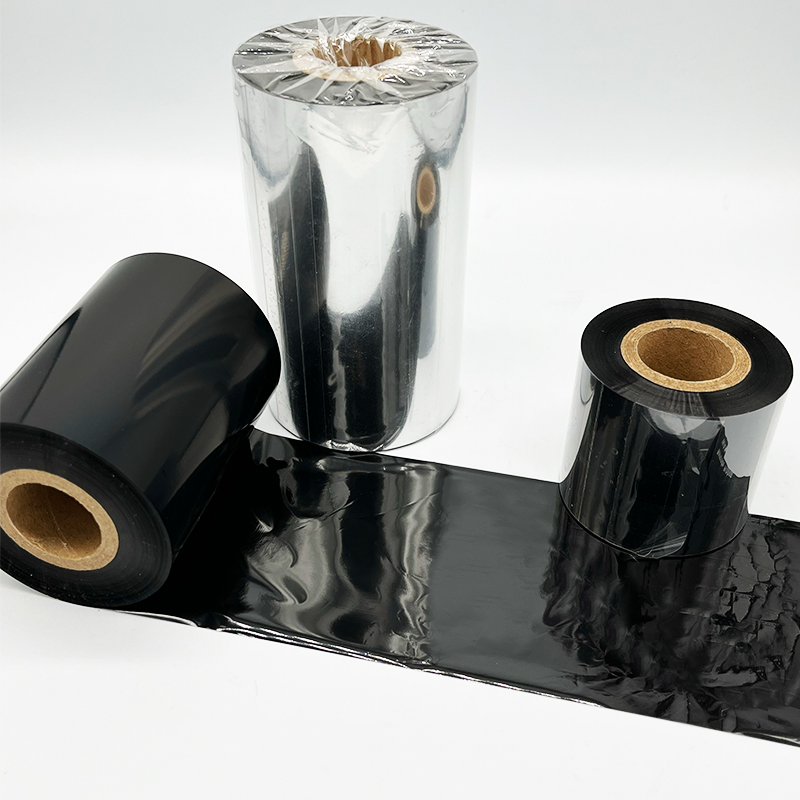
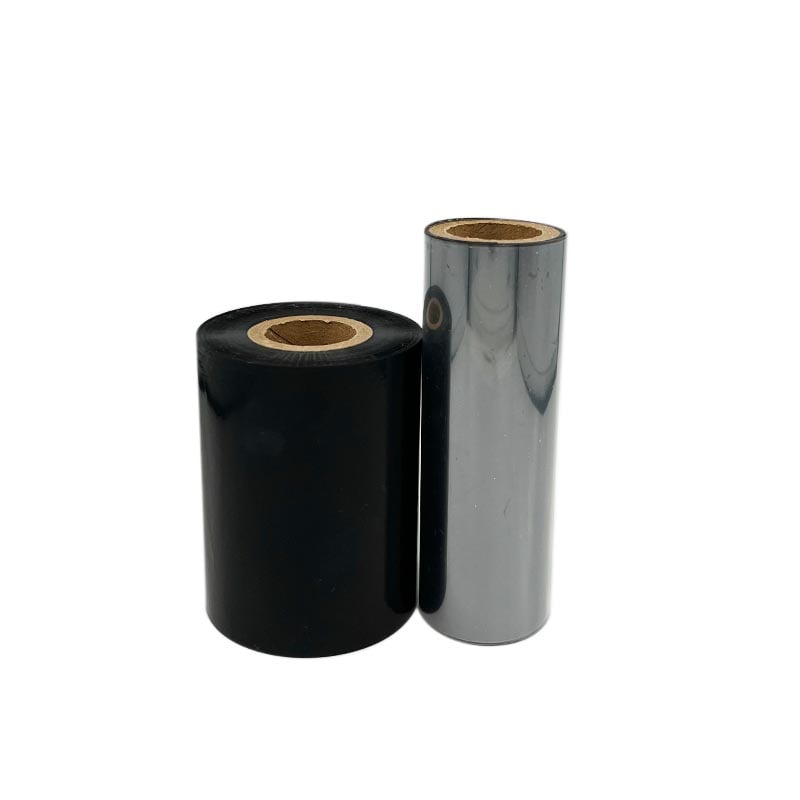
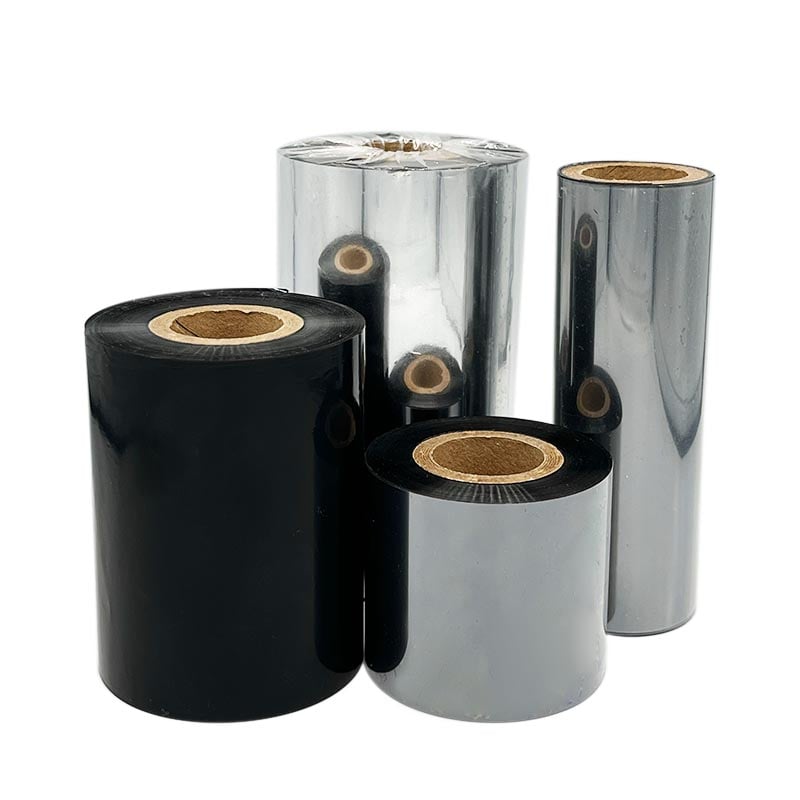
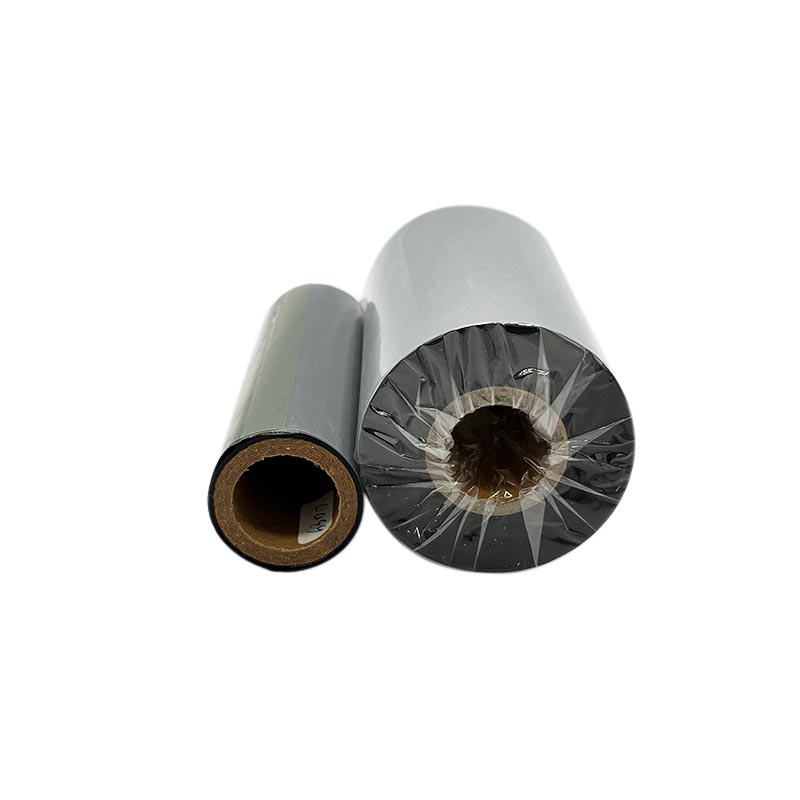
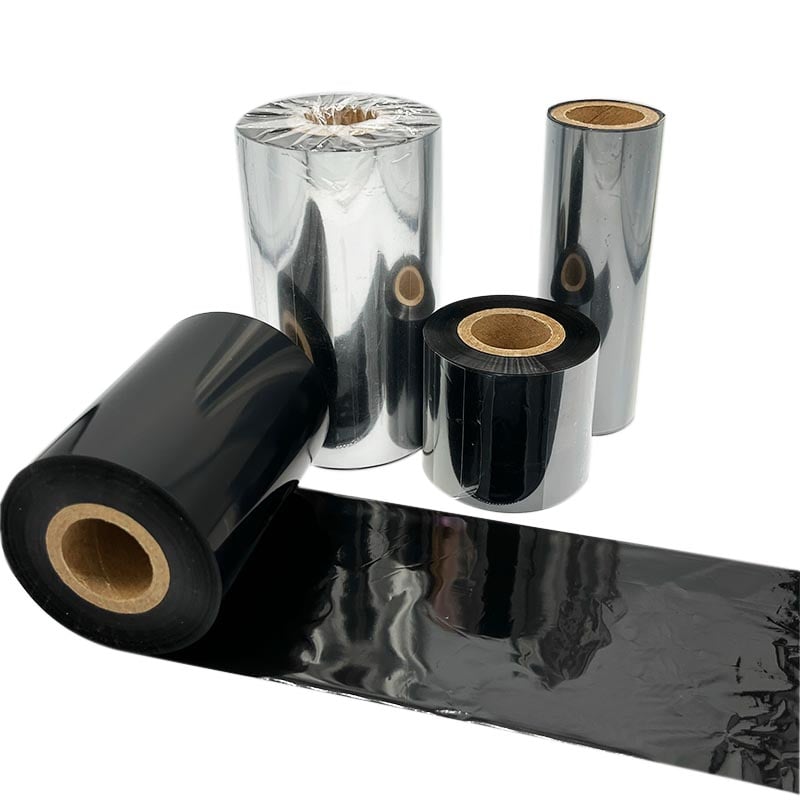
Thermal transfer ribbons are categorized into three primary types based on their ink formulation, which dictates their performance characteristics and ideal application scenarios. Wax ribbons are the most basic and cost-effective type, composed primarily of a wax-based ink. They are designed for printing on uncoated paper labels and offer good print quality for applications where durability is not a critical concern, such as retail price marking, basic inventory labels, and shipping labels for short-term indoor use. Wax-Resin ribbons, also known as hybrid or mid-range ribbons, combine wax for good ink transfer and resin for enhanced durability. This formulation provides superior resistance to water, abrasion, and mild chemicals compared to pure wax. They are compatible with coated paper and some synthetic materials, making them suitable for applications like freezer labeling, parts identification, and product labeling that requires longer-lasting images. Resin ribbons are the premium-grade option, formulated with a high content of synthetic resins. When printed, the ink melts and chemically bonds to the synthetic label material (like polyester, polypropylene, or vinyl), creating an extremely tough, durable image. These ribbons offer exceptional resistance to abrasion, extreme temperatures, solvents, chemicals, and outdoor weathering. They are essential for harsh environment applications such as electronics manufacturing, automotive component labeling, chemical drum tagging, and asset tracking in demanding conditions. Selecting the correct type is fundamental to label performance. For guidance on choosing the right ribbon type for your substrate and environment, please contact our technical experts.