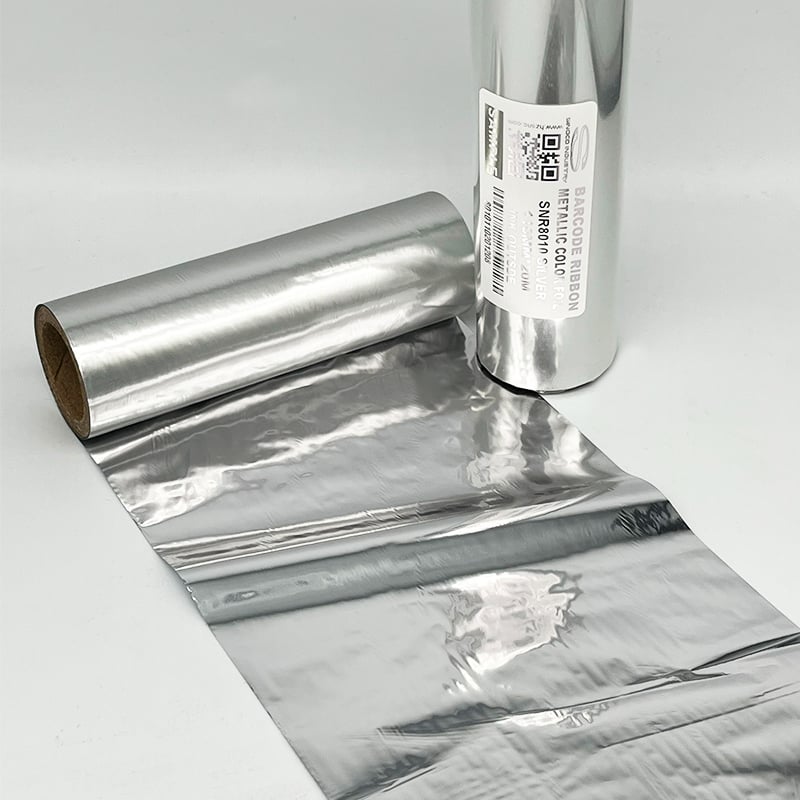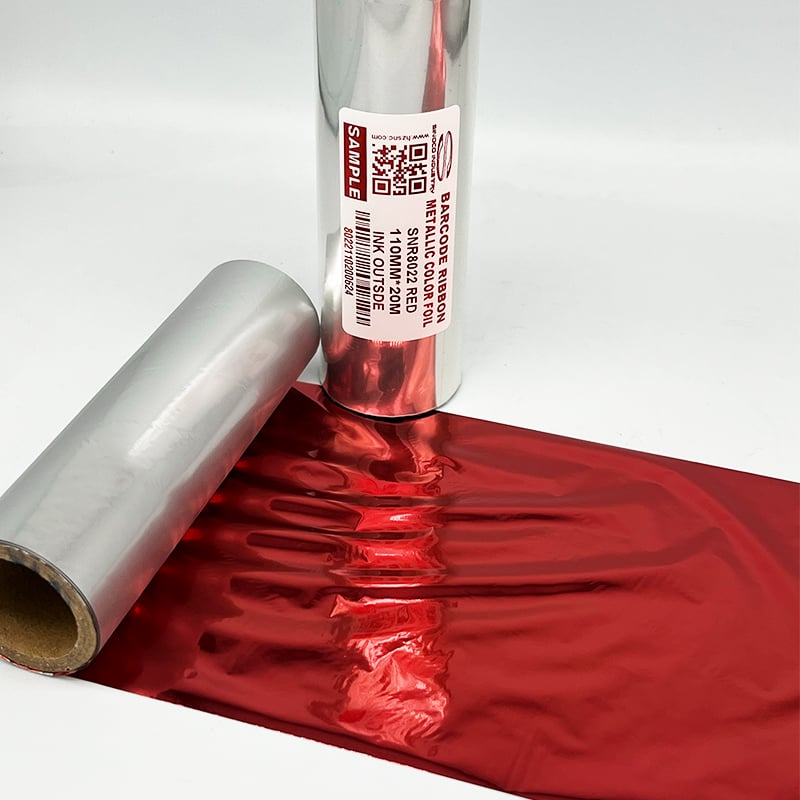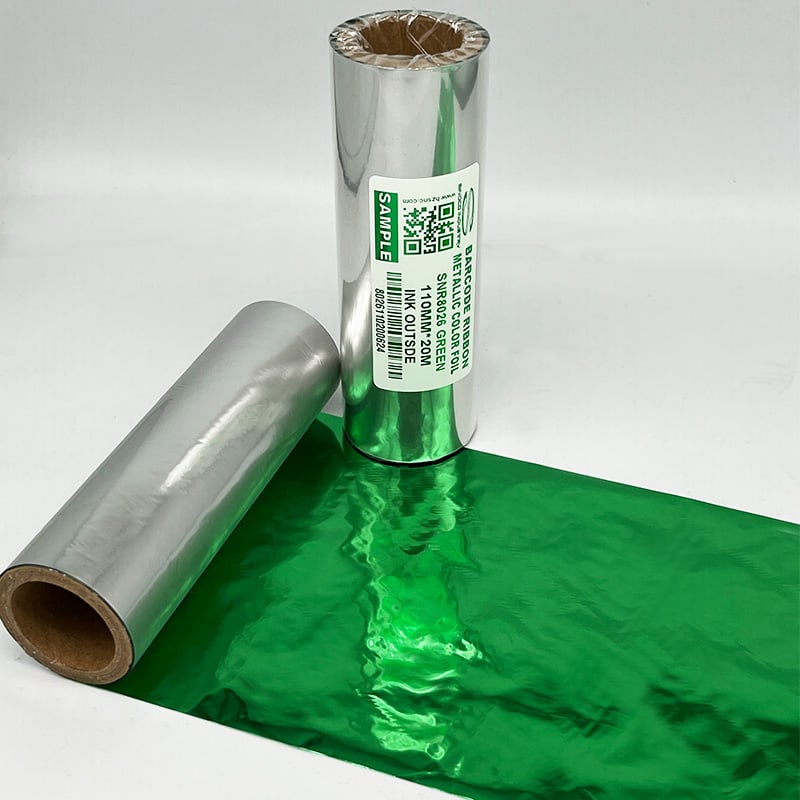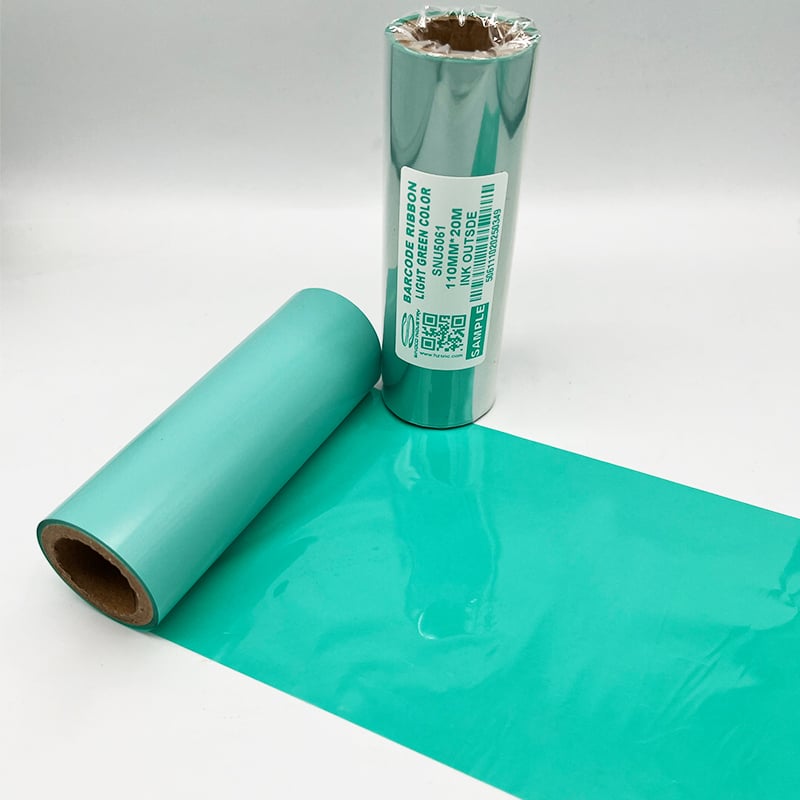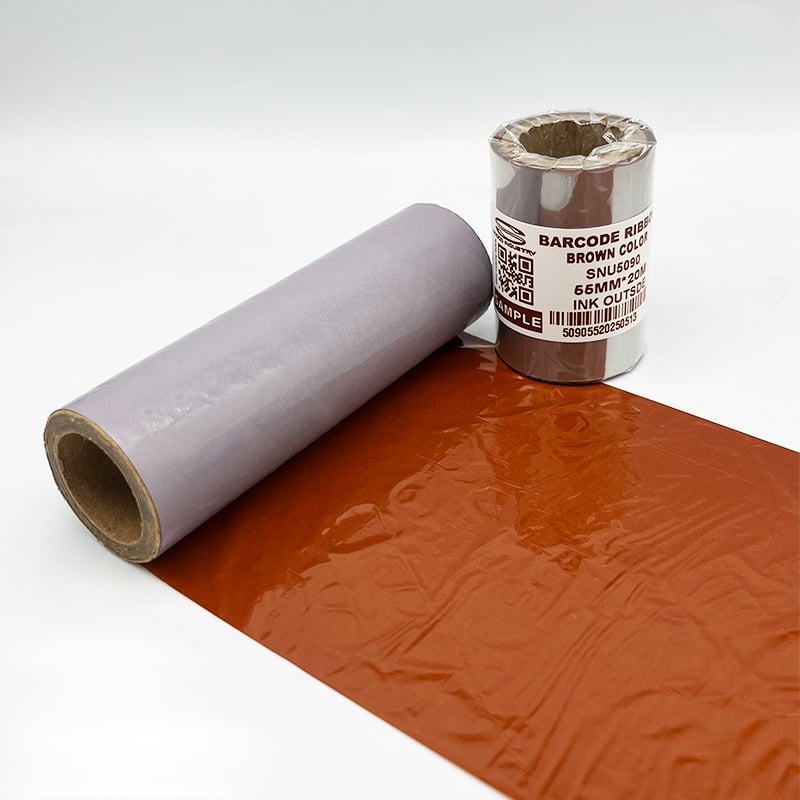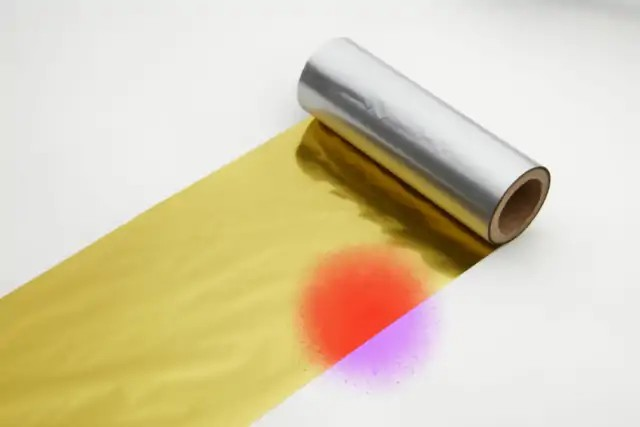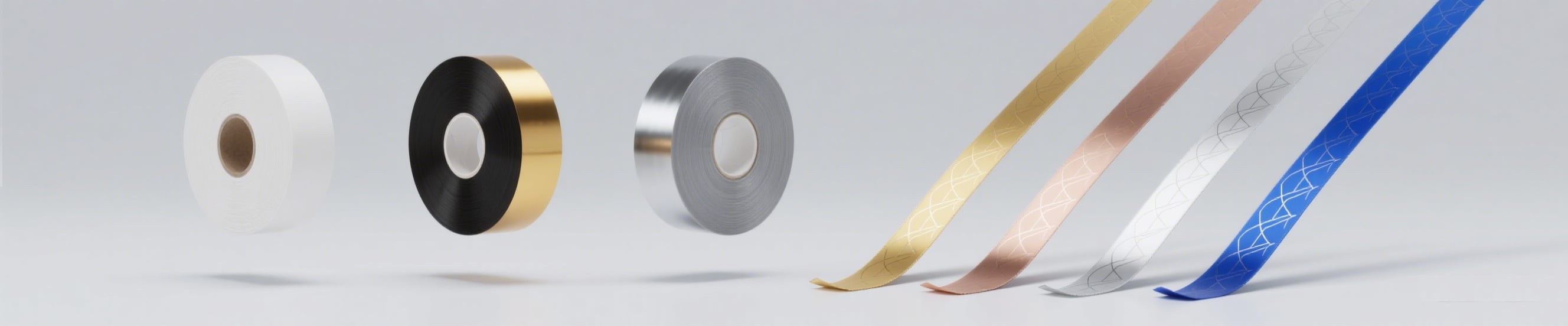
In the world of industrial coding and marking, choosing the right technology is critical for operational efficiency. While both technologies aim to transfer ink onto a substrate, the difference between Hot Foil and TTR (Thermal Transfer Ribbon) lies in their core engineering. For high-volume manufacturers, understanding the Total Cost of Ownership (TCO) is the key to sustainable growth.
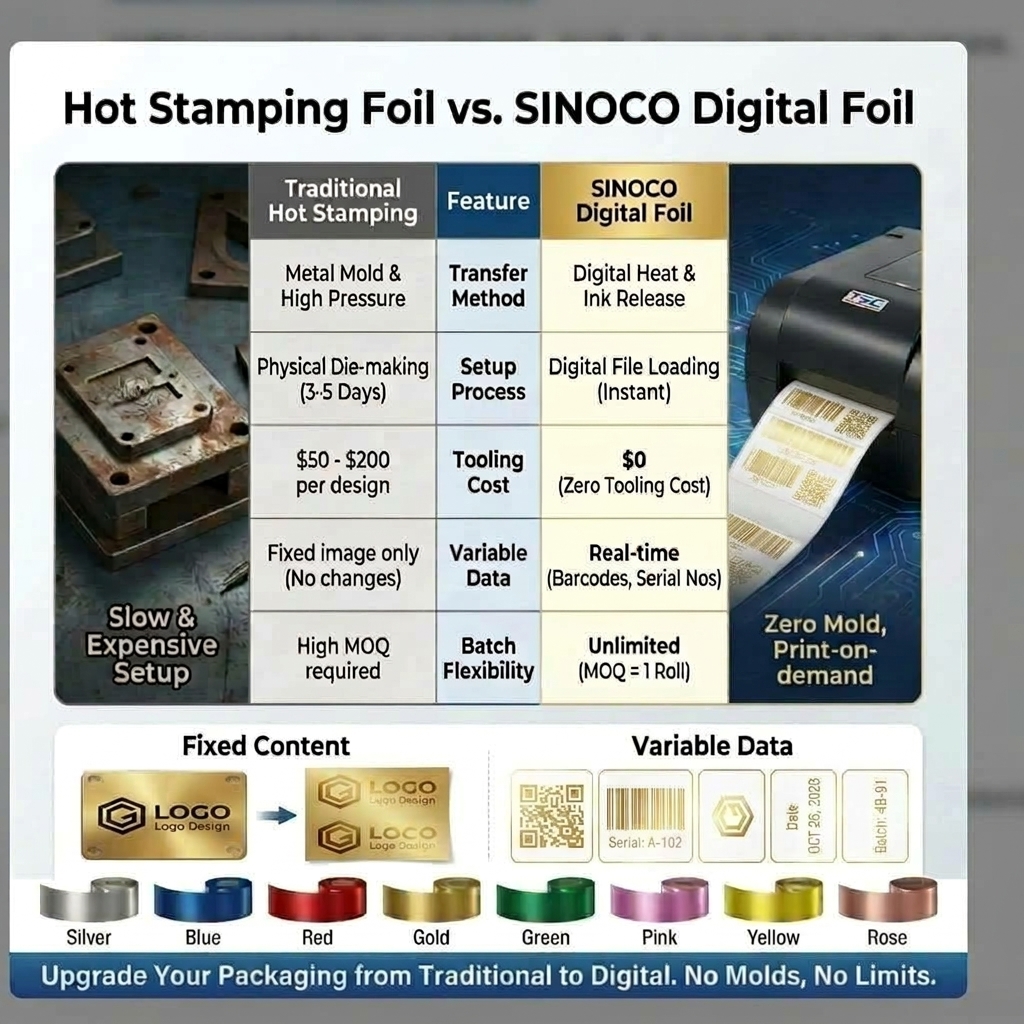
Traditional Hot Stamping Foil relies on a physical metal mold (cliché) and high pressure.
In contrast, Sinoco’s Thermal Transfer Ribbon utilizes a digital approach: the printer’s heat elements precisely release ink from the ribbon directly onto the substrate. This eliminates the need for mechanical force, significantly enhancing Printhead Durability and reducing machine downtime.
For a factory, cost control is paramount.
Traditional hot stamping involves a plate‑making fee of 200 per design and a 3–5 day waiting period.
Our TTR solution offers $0 Tooling Cost. By loading digital files instantly, factories can eliminate the expensive and slow physical mold process, leading to a much lower TCO over the product lifecycle.
The biggest limitation of Hot Stamping Foil is its "fixed" nature. Once the mold is cast, the content cannot change.
Sinoco’s TTR supports full Variable Data Printing. This allows for real‑time date coding, serial numbers, batch codes, and dynamic QR codes to be printed on the fly, ensuring 100% traceability in Flexible Packaging Coding.
For large‑scale production, TTR is not just a ribbon – it’s an efficiency upgrade. By shifting from traditional molds to Sinoco’s digital thermal solutions, factories can achieve faster turnaround and lower costs.
If you have unique needs, please contact us
 EN
EN