Building 2, Dongfang Mao Commercial Center, Hangzhou, Zhejiang, China +86-18858136397 [email protected]
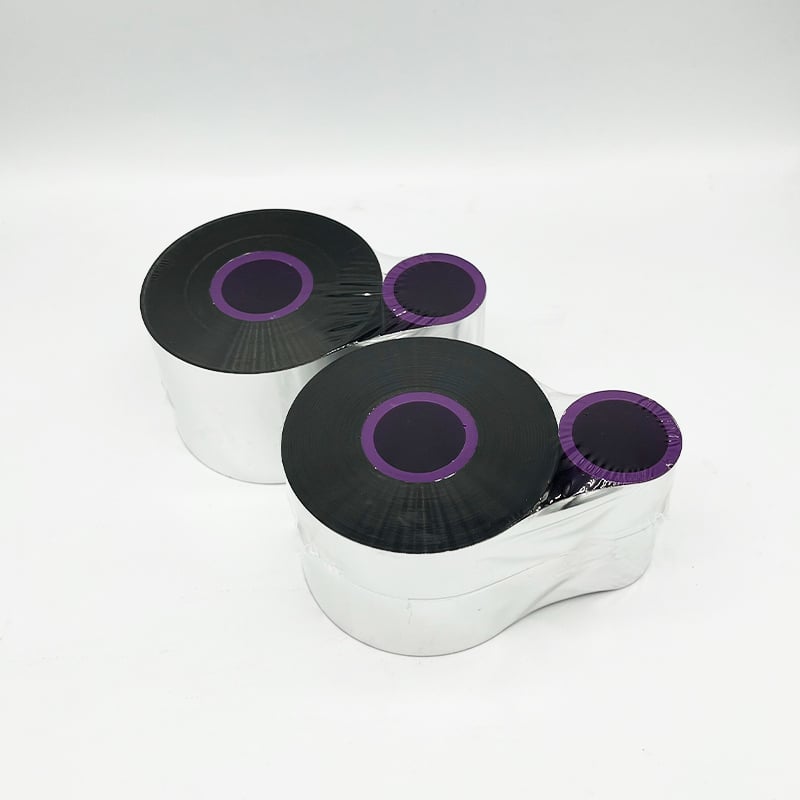
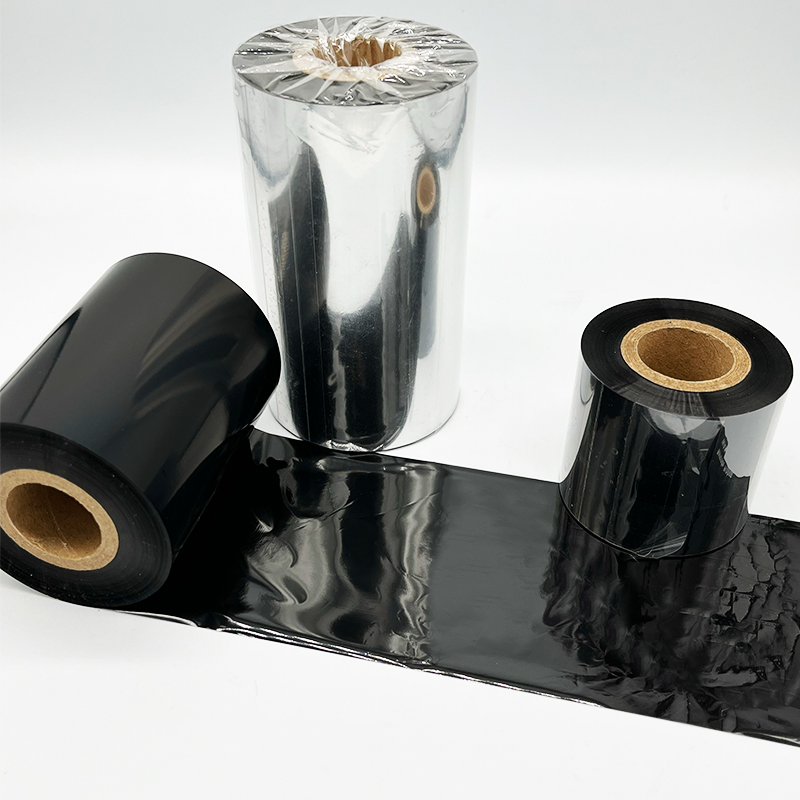
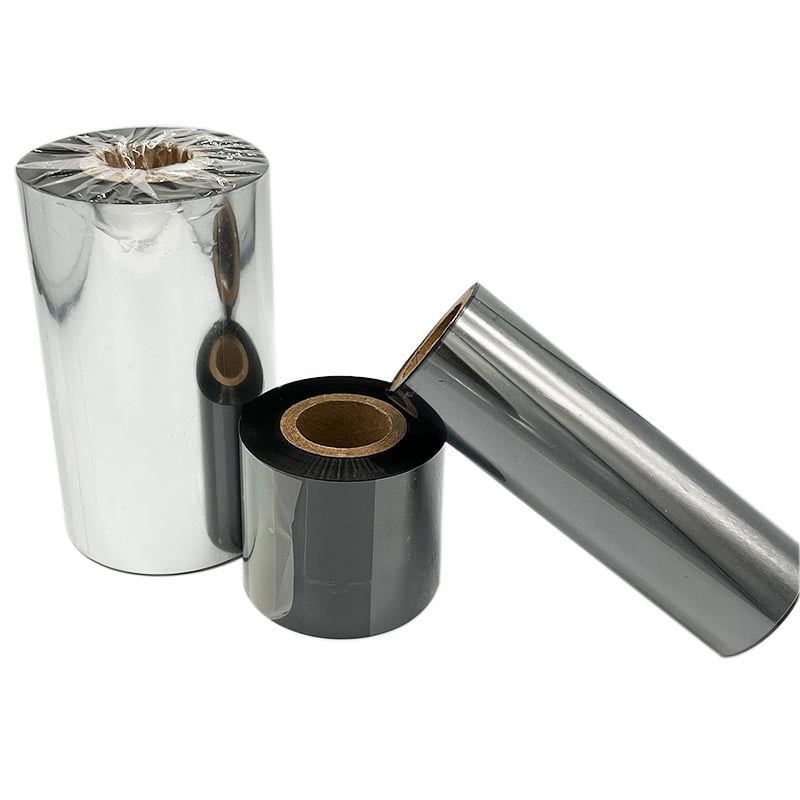
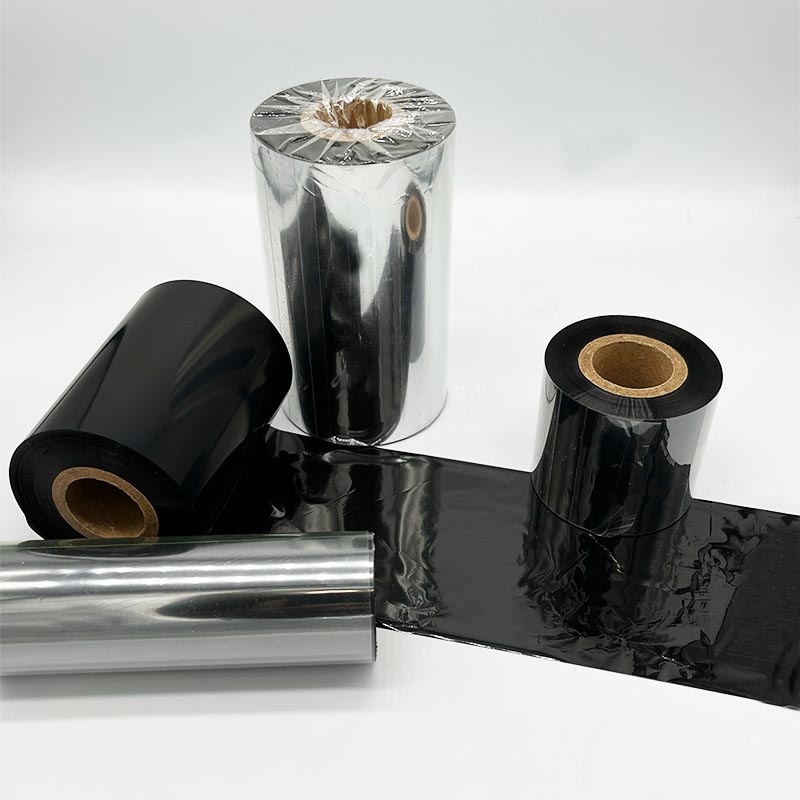
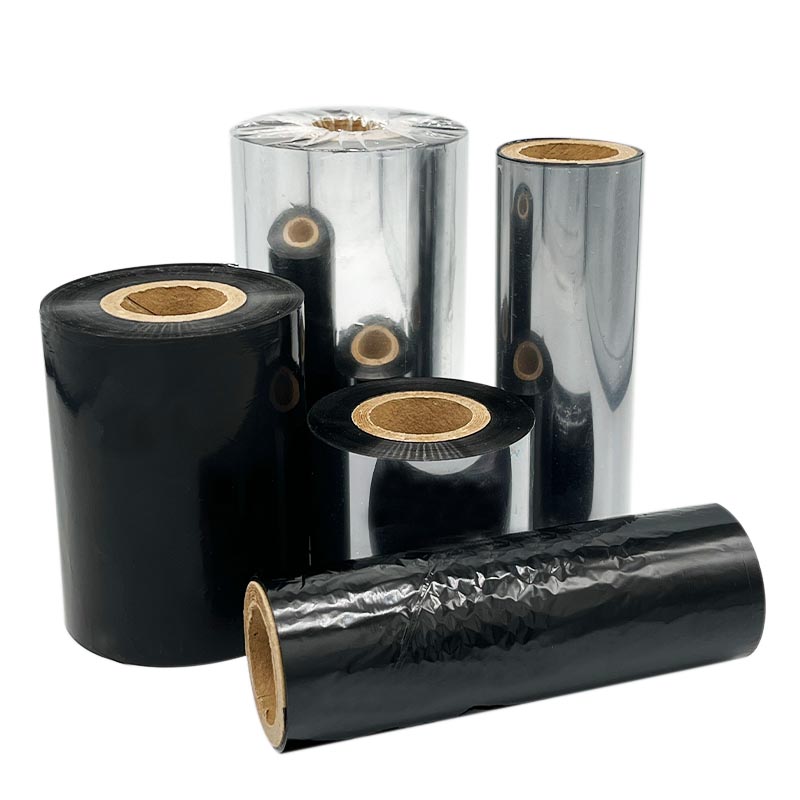
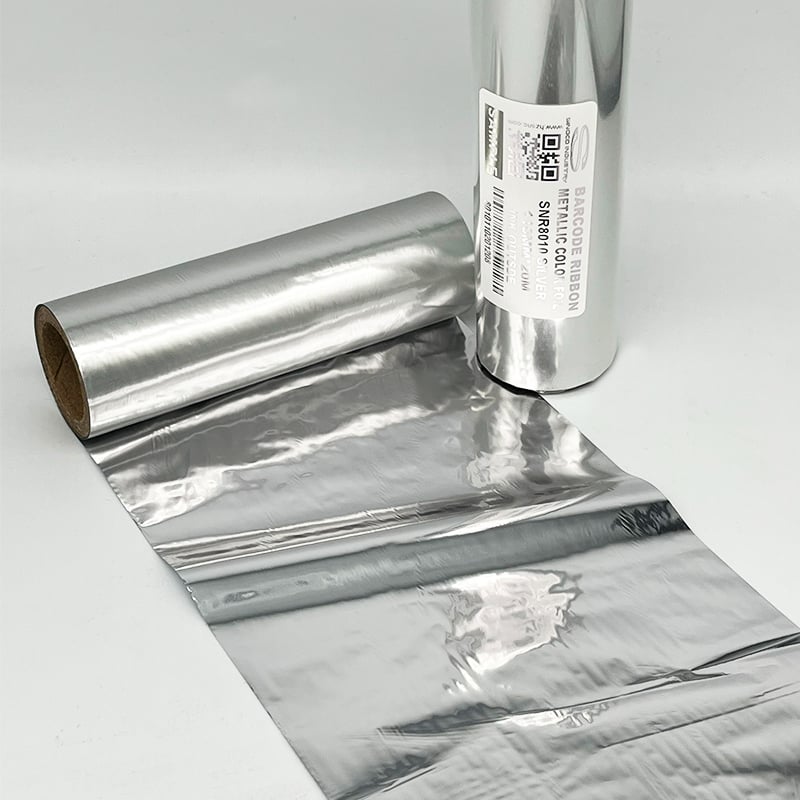
The price of a resin ribbon is influenced by a combination of factors related to its raw material composition, manufacturing complexity, and performance specifications, rather than being a single fixed cost. Primary cost drivers include the quality and price of the raw materials, particularly the polyester film and the specialized resin and pigment compounds, which can fluctuate based on global commodity markets. Ribbons with higher performance attributes, such as those designed for extreme chemical resistance or autoclave sterilization, involve more complex and expensive formulations, resulting in a higher price point compared to standard-grade resins or wax-resin blends. The physical dimensions of the roll—specifically the core size, roll length, and ribbon width—also directly impact the price, with larger rolls offering a lower cost per meter. Volume purchasing, such as buying by the case or pallet, significantly reduces the unit price through economies of scale. Additionally, ribbons designed for specific OEM printer models may have different pricing structures due to licensing or compatibility testing. It is crucial to consider the total cost of printing, which factors in the ribbon's yield (how many labels it can print) and its impact on printhead lifespan, as a cheaper ribbon that wears out printheads faster or causes jams can be far more expensive in the long run. For a precise price quote based on your specific ribbon type, size, and volume requirements, we encourage you to contact our sales team for the most accurate and competitive pricing information.