Building 2, Dongfang Mao Commercial Center, Hangzhou, Zhejiang, China +86-18858136397 [email protected]
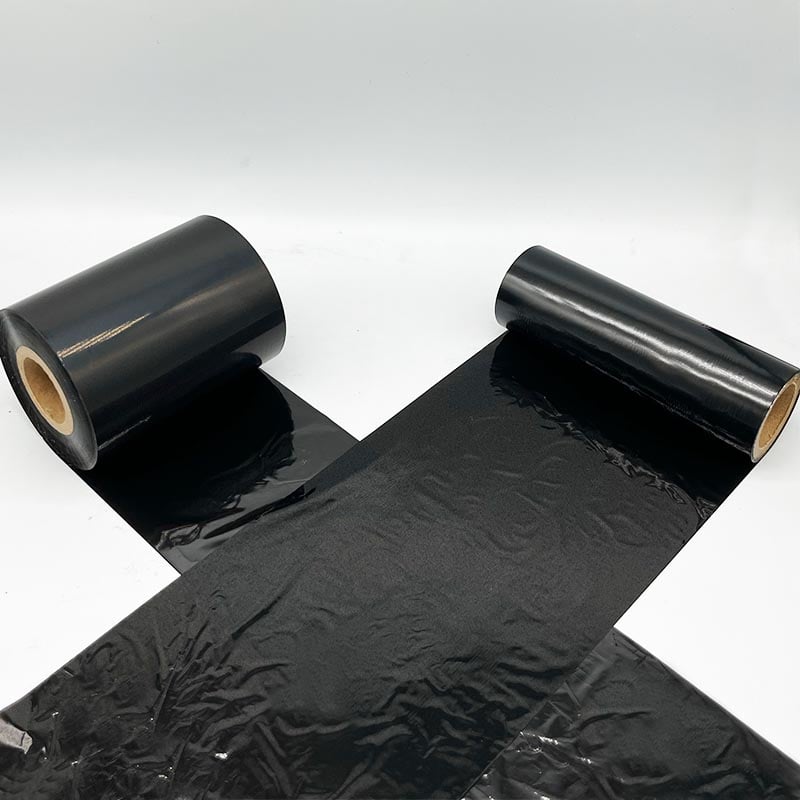
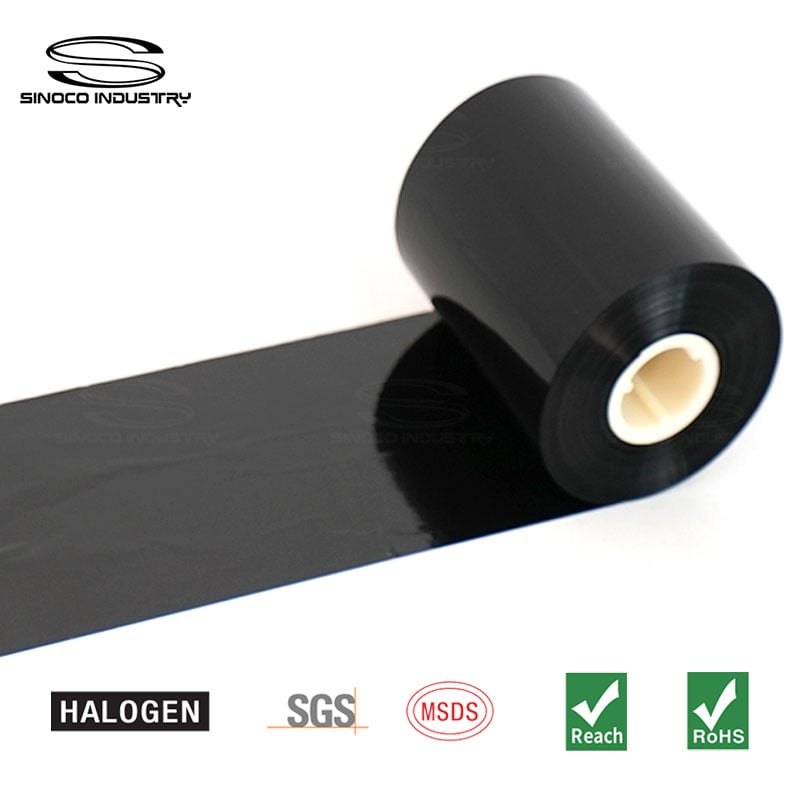
The application of resin ribbons is specifically targeted towards scenarios demanding the highest levels of durability and resistance in printed markings. The primary application is thermal transfer printing onto synthetic label materials—such as polypropylene (PP), polyethylene (PE), polyester (PET), and vinyl—where the printed content must survive extreme conditions. In the automotive industry, resin ribbons are applied to print labels for engine components, wiring harnesses, and under-car parts, where resistance to heat, oil, gasoline, and brake fluid is non-negotiable for the lifespan of the vehicle. The aerospace sector applies these ribbons for printing parts identification tags that must withstand extreme temperature fluctuations, UV exposure, and cleaning solvents. Within the chemical manufacturing and industrial goods sector, resin ribbons are applied to print safety warning labels, chemical drum labels, and material safety data sheet (MSDS) labels that maintain legibility after direct contact with aggressive acids, alkalis, and solvents. The electronics industry applies them for printing UL/CE certification labels on appliances and circuit boards, where the print must remain intact during soldering processes and throughout the product's operational life. Another critical application is in healthcare for printing autoclave sterilization labels on surgical instrument trays and patient identification wristbands that are subjected to repeated cleaning and disinfection. The choice of a specific resin ribbon formulation is dictated by the unique combination of substrate material and environmental exposure in the application. For guidance on selecting the correct resin ribbon for your challenging application, please contact our application engineers for support.