Choosing the right thermal transfer ribbon is about more than comparing prices. The wrong ribbon may cause poor print quality, unreadable barcodes, reprints, label waste, and customer complaints.
The best choice depends on your label substrate, printer, durability requirements, and application environment.
Wax ribbon is a cost-effective option for many coated paper labels. It transfers efficiently and is commonly used for short- to medium-term indoor applications, including:
Compared with Wax-Resin and Resin ribbons, Wax generally provides lower resistance to scratching, alcohol, oil, and other harsh conditions. For labels exposed to frequent friction, chemicals, outdoor conditions, or long service periods, a more durable ribbon may be required.
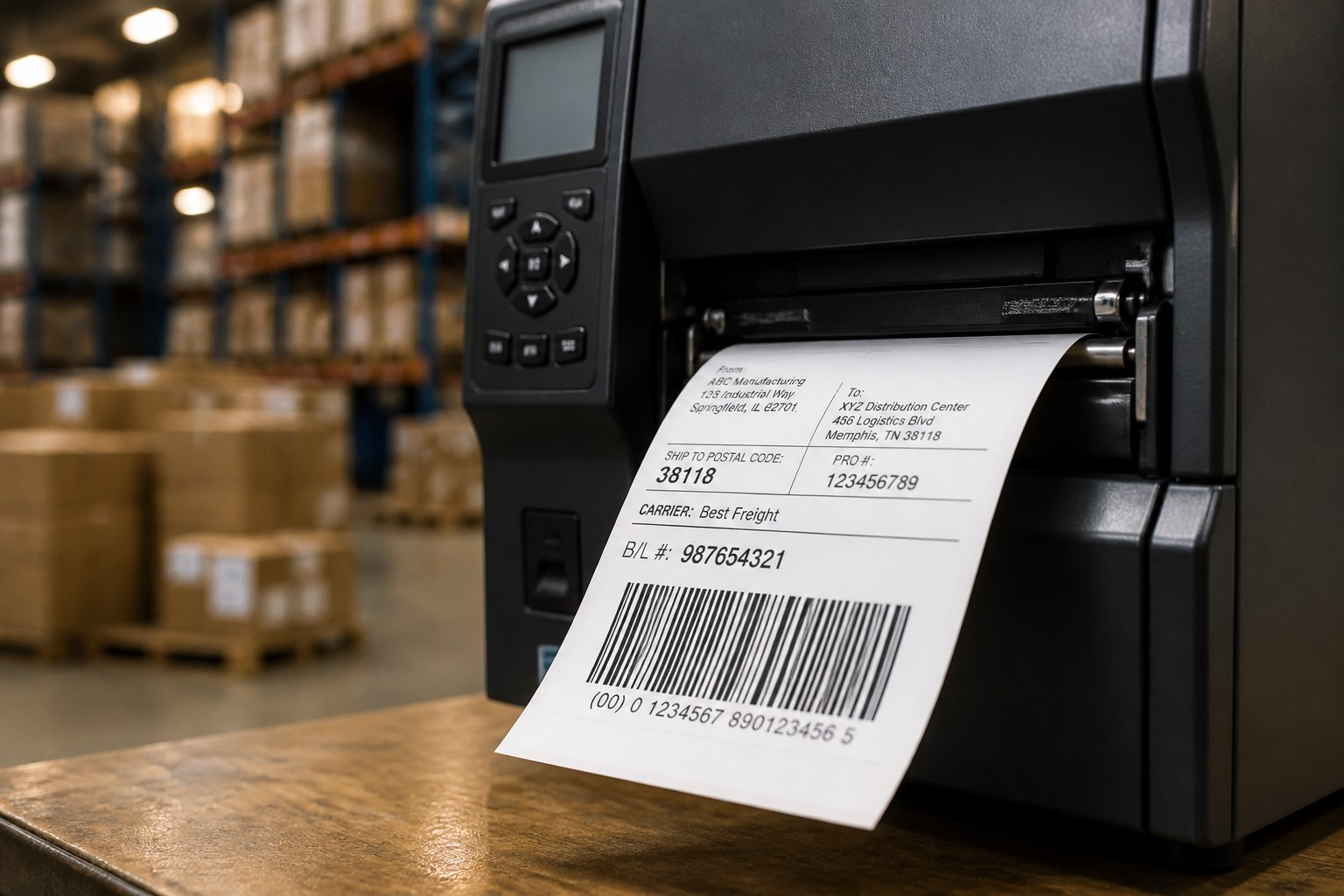
Wax-Resin ribbons combine wax and resin components to balance print quality, durability, and cost. They typically provide better scratch and chemical resistance than standard Wax ribbons.
Wax-Resin ribbons are often used on coated paper and selected synthetic substrates, including certain PP and PE labels. Because the surface treatment of PP and PE can vary, compatibility should be confirmed through testing with the intended printer, substrate, and ribbon formulation.
Typical applications include:
Wax-Resin is often a practical choice when Wax does not provide enough durability, while Resin would exceed the application’s requirements or budget.
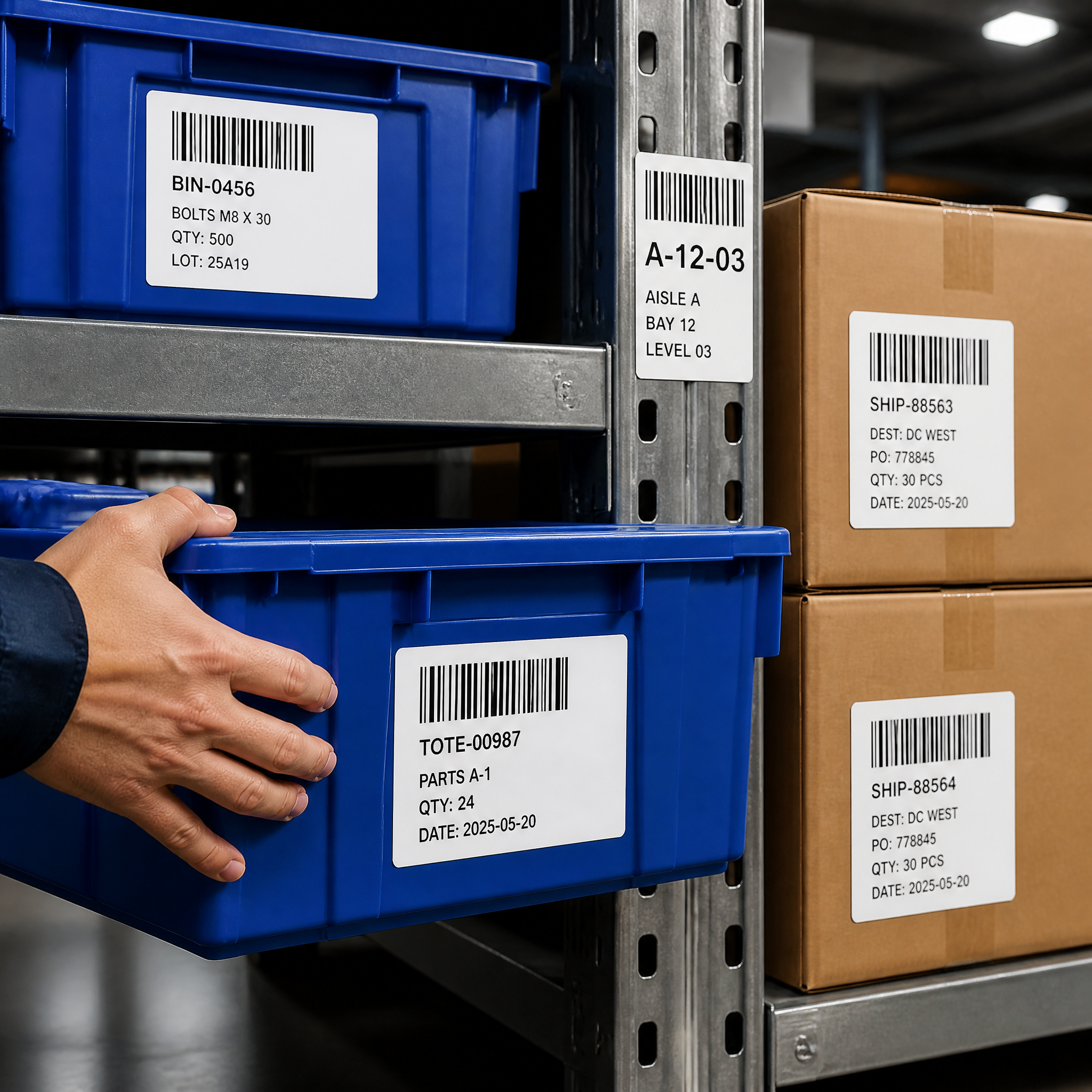
Resin ribbons are formulated primarily with resin-based materials and are designed for applications that require higher print durability.
They are commonly selected for synthetic substrates and films such as:
Resin ribbons may be suitable for labels exposed to frequent handling, oil, selected chemicals, temperature changes, outdoor conditions, or longer service periods. Actual performance depends on the ribbon grade, substrate, printer, print settings, and exposure conditions. A print test is recommended before production.
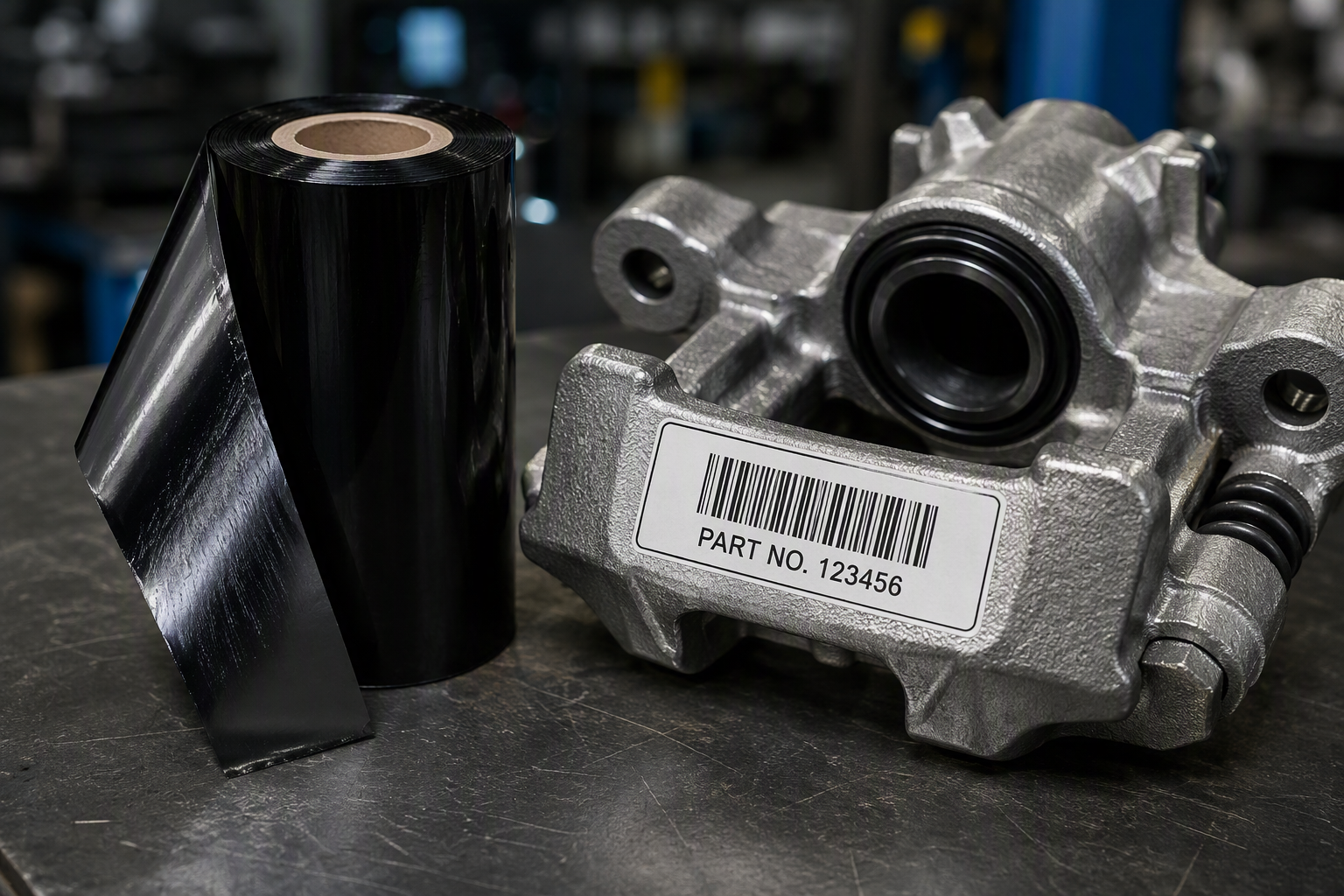
Actual print performance depends on the ribbon formulation, substrate surface, printer model, print speed, print settings, and application conditions.
A label distributor contacted us to find a cost-effective ribbon for matte PP labels. Our team tested Wax, Wax-Resin, and Resin ribbons instead of recommending a product based only on unit price.
Under the tested conditions, the selected Wax grade did not provide sufficient adhesion and abrasion resistance. The Wax-Resin and Resin options provided more reliable print performance.
After comparing the results and overall cost, the customer selected Wax-Resin as a practical balance between performance and budget.
Send us your substrate, printer model, application, print speed, durability requirements, and estimated order quantity. Our team can recommend suitable options and arrange samples for testing.
 EN
EN