 EN
EN


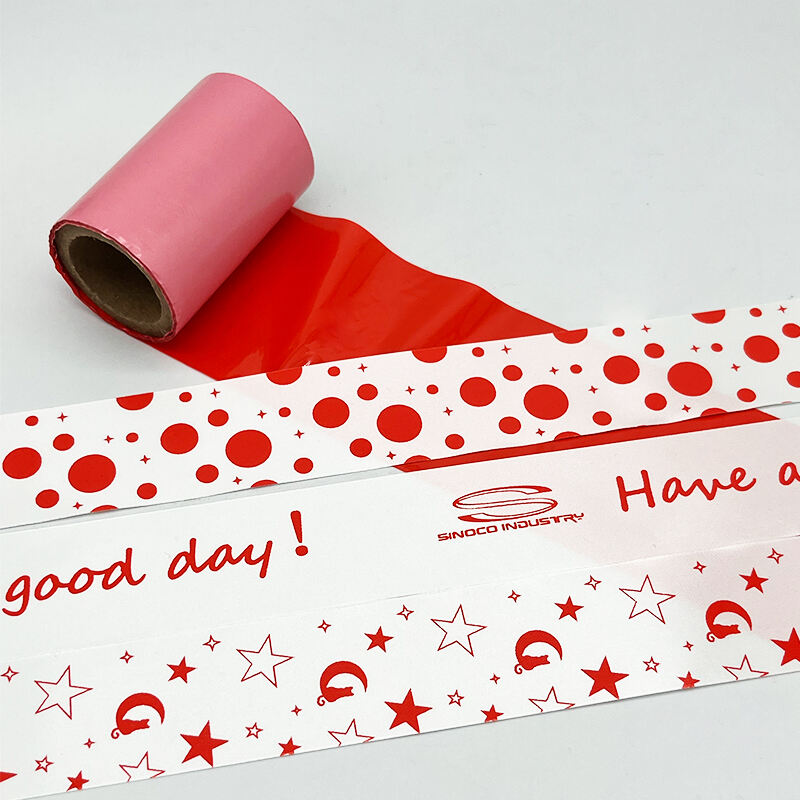
Understanding Thermal Transfer Ribbon Shelf Life and Composition
What is the shelf life of thermal transfer ribbons?
Most thermal transfer ribbons will work well for around 12 to 24 months if kept sealed in their original packaging and stored properly. According to recent research published in the Thermal Materials Report 2024, resin based ribbons tend to stay chemically stable about 18 percent longer than the wax ones because they have harder ink formulations. Ribbon makers generally create products that should last between one and two years on shelves without getting damaged by oxidation or picking up moisture which affects how well they stick. This matters a lot for things like custom wedding ribbons where clear printing directly influences what customers think about the product's quality and worth.
Differences in shelf life between wax, resin, and wax-resin ribbons
| Ribbon Type | Ideal Use Case | Average Shelf Life | Degradation Risk Factor |
|---|---|---|---|
| Wax | Paper labels | 12–18 months | High humidity (>70% RH) |
| Resin | Synthetic materials | 18–24 months | Temperature fluctuations |
| Wax-Resin | Mixed-media applications | 24+ months | UV exposure |
Resin ribbons resist plasticizer migration in humid environments, while wax-resin hybrids leverage polymer stabilization to outperform pure wax by 42% in accelerated aging tests (Industrial Printing Journal 2023).
How proper storage conditions preserve ribbon shelf life
Storing ribbons at 10–30°C (50–86°F) and 30–80% relative humidity prevents brittleness, ink crystallization, and substrate adhesion failures. A bulk ribbon storage study showed that climate-controlled environments reduce waste by 31% compared to uncontrolled storage. For long-term stability:
- Keep unopened ribbons in original vacuum-sealed bags
- Rotate stock using FIFO (First In, First Out) protocols
- Avoid stacking rolls to prevent pressure-induced deformation
Print operations handling seasonal demand surges (e.g., wedding ribbon production cycles) benefit most from these practices, ensuring consistent ink transfer during high-resolution printing.
How Ribbon Degradation Impacts Print Quality and Consistency
Signs of Expired or Degraded Ribbons in Printed Output
When thermal transfer ribbons start showing signs of wear, we usually see faded colors, patchy ink coverage, and ribbons that snap before they should. According to various industry reports, about 58 percent of all print quality issues actually come down to using old or expired materials. The numbers get even worse for older ribbons where problems like smudged ink or completely unread barcodes pop up roughly 20 to 30 percent more often than normal. Looking at recent findings from 2024, researchers found that those annoying streaks on printed labels are often caused by damaged ink layers within wax-resin blend ribbons that have started to degrade over time.
The Effect of Aging on Ink Transfer and Print Clarity
Ribbons don't last forever. The polymer structure starts breaking down over time, which makes the ink hold together less well. We're talking about around 40% reduction in cohesion after just 18 months sitting on a shelf. When this happens, it really affects important printing jobs. Take wedding invitations for example expired ribbons create gold and silver foil prints that shift colors way more than they should something that costs brides extra money and headaches. Some recent testing showed how bad things get too. Print shops need to do almost three times as many reprints when working with old ribbon material just to get those tiny 6 point fonts looking sharp and clean. Not great for anyone involved.
Risks of Using Expired Ribbons in Precision Applications Like Personalized Wedding Ribbon Printing
For custom wedding ribbon makers, ribbon degradation is a real headache. About seven out of ten boutique printers deal with customer complaints when materials expire and leave those fancy metallic finishes looking patchy and uneven. Wedding ribbons need something like less than 2% variation in how the ink transfers onto them. But guess what? Ninety percent of ribbons start falling short once they hit that two year mark on the shelf. All this leads to wasted materials for small shops, costing them around seven thousand two hundred dollars each year just for having to reprint stuff or scrambling to get rush orders done last minute.
Environmental and Storage Factors Influencing Ribbon Performance
Ideal Temperature and Humidity for Storing Thermal Ribbons
According to what the industry recommends for storing thermal ribbons, they work best when kept somewhere around 15 to 25 degrees Celsius (that's about 59 to 77 Fahrenheit) with humidity levels between 40 and 60 percent. Keeping things at stable temperatures helps wax based ribbons stay just right not too soft and not too brittle. Controlling how much moisture there is also makes a difference because it reduces static electricity problems and keeps the ribbon layers from sticking together. When dealing with resin blends which are often used for those really detailed prints, maintaining humidity under 50% becomes pretty important actually crucial to stop the ink from forming crystals while sitting in storage.
How Exposure to Heat, Moisture, and Light Accelerates Degradation
When printer ribbons sit in heat over 40 degrees Celsius (around 104 Fahrenheit), the wax compounds start breaking down, which cuts ink transfer efficiency roughly 30%. High humidity levels above 85% are another problem as they make ribbons wrinkle and create all sorts of tension issues. And don't even get me started on UV light damaging those resin binders, leading to prints that fade faster than we'd like. Some tests from last year showed something pretty shocking actually. Ribbons left out in direct sunlight without proper storage lost about half their print quality just three months later. That kind of degradation really impacts long term printing needs.
Sealed Packaging and Protection Strategies for Long-Term Stability
When it comes to storing materials, vacuum sealed foil bags with those little oxygen absorber packets can really make a difference. They typically keep things fresh for around 18 to 24 months, especially important for those wax resin blends that hate moisture. Speaking of which, anyone doing custom printed wedding ribbons knows how critical color matching is. That's why most professionals swear by climate controlled storage units with desiccant packs inside, aiming to keep humidity levels between about 45% and 55%. A good tip nobody tells you? Keep all ribbons standing upright instead of stacking them flat. This prevents those unsightly curls along the edges. And don't forget to mark each roll with when it was received. Following first in first out rotation keeps your stock organized and reduces waste over time.
Best Practices for Ribbon Management in B2B Printing Operations
Implementing FIFO (First In, First Out) for Ribbon Batch Rotation
Using FIFO methods means older ribbon stock gets used first before new shipments arrive, which helps prevent old materials from sitting around too long and affecting print quality. According to a study from last year on supply chains, companies implementing these first-in-first-out systems saw about a third less waste in their labeling work. This matters a lot when dealing with things that need tight timing controls, such as custom wedding ribbons where colors must match exactly across all pieces produced. Nobody wants mismatched hues showing up at a big event after months of planning!
Investing in Climate-Controlled Storage for Sensitive Ribbon Types
Wax-resin ribbons lose 23% of their adhesion efficiency when stored above 80°F (27°C) according to print durability studies (Marr Industries, 2023). Climate-controlled environments maintaining 60–70°F (15–21°C) and 40–50% humidity prevent premature crystallization of ink polymers—a common failure point in high-resolution designs.
Reducing Waste and Reprint Costs Through Proactive Inventory Tracking
Automated tracking systems alert teams when batches near expiration thresholds, minimizing costly reprints. Manufacturers using real-time inventory software report 19% lower operational costs (PrintTech Audit, 2024), with error rates dropping significantly in complex workflows requiring precise ribbon synchronization.
By combining systematic rotation, environmental controls, and digital oversight, enterprises achieve <25% variance in print output quality across multi-year projects.
Case Study: Solving Print Inconsistencies in Personalized Wedding Ribbon Production
Print Quality Issues Caused by Expired Wax-Resin Ribbons
One high end paper goods company ran into problems with their custom wedding ribbons lately. The monograms kept getting smudged and those fancy metallic details would fade over time. Turns out the issue was with wax resin ribbons that had been sitting around for way too long past their 12 month expiration date. When tested in labs, these older ribbons showed about 37 percent less grip for the ink according to some research from Ponemon back in 2023. This meant the printer couldn't get complete transfers when doing those detailed scroll designs. Wedding clients are hit hardest by this problem because many warehouses store materials at around 72 degrees Fahrenheit, which actually speeds up how the resin components start to crystalize and break down.
Environmental Challenges in Small-Batch, High-Detail Ribbon Printing
Short-run production of heirloom-quality wedding ribbons requires precise humidity control (45–55% RH) to prevent static interference with delicate foil layers. Facilities lacking climate zoning saw 19% higher defect rates in petite-serif font printing during seasonal humidity spikes.
Cost Savings Achieved Through Improved Ribbon Handling and Storage
Sealed barrier packaging combined with desiccant inserts added about eight extra months to ribbon shelf life, and implementing first in first out inventory methods cut down on waste expenses roughly $2.70 for each wedding order processed. Print quality remained consistent on nearly all gold foil ribbons too, with 98.2% showing no issues throughout 1200 different orders. This matters because according to Bridal Market Insights from last year, most couples place a high value on having everything look perfect during their ceremonies, with around 84% specifically mentioning flawless accessories as something they really care about.
Frequently Asked Questions
How long do thermal transfer ribbons last once opened?
Once opened, the shelf life of thermal transfer ribbons may reduce due to exposure to environmental elements. It's crucial to use them as soon as possible to maintain quality.
Can storing ribbons in extremely cold conditions extend their shelf life?
Storing ribbons in extremely cold conditions isn't recommended as fluctuations can lead to condensation which affects ribbon quality.
What is the ideal humidity for storing thermal ribbons?
The ideal humidity level for storing thermal ribbons is between 40% and 60% to prevent static issues and maintain ink quality.
Why is proper storage essential for thermal ribbons?
Proper storage is essential to prevent environmental factors such as humidity, temperature, and light exposure from accelerating ribbon degradation.
Table of Contents
- Understanding Thermal Transfer Ribbon Shelf Life and Composition
- How Ribbon Degradation Impacts Print Quality and Consistency
- Environmental and Storage Factors Influencing Ribbon Performance
- Best Practices for Ribbon Management in B2B Printing Operations
- Case Study: Solving Print Inconsistencies in Personalized Wedding Ribbon Production
- Frequently Asked Questions