 EN
EN


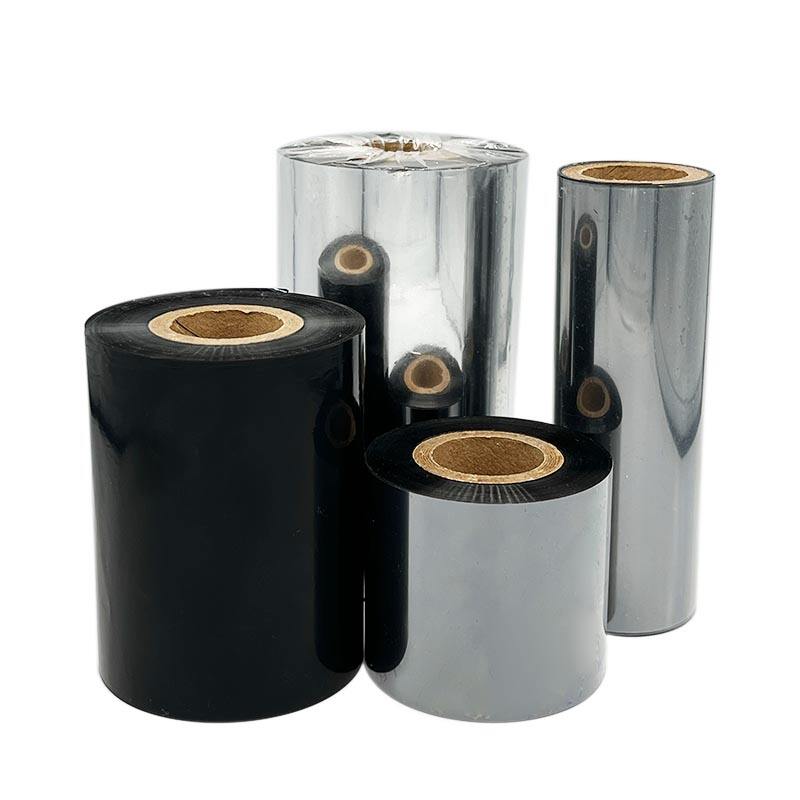
Understanding Thermal Transfer Ribbon Technology and Cost-Saving Mechanisms
The Function of Thermal Transfer Ribbon in Label Printing
In industrial labeling systems, thermal transfer ribbons basically act as the ink supply. The process works when heat from a thermal printhead causes the ribbon to melt onto materials like synthetic surfaces or regular paper. What comes out is pretty much smudge proof and can stand up to really harsh conditions including high temps and rough handling. This stands in contrast to direct thermal printing methods that depend entirely on special heat sensitive paper. With thermal transfer labels lasting around five years before fading becomes an issue, manufacturers get real value here. For tracking products through complex supply chains where labels need to stay readable long term, this durability makes all the difference in maintaining proper documentation throughout shipping and storage.
How Thermal Transfer Printing Differs from Direct Thermal and Ink-Based Systems
The thermal transfer method gets rid of those messy liquid inks and pre-coated materials altogether, relying instead on wax based, resin based, or even hybrid ribbon systems. According to some recent research from PrintCost Institute back in 2023, this approach cuts down on wasted materials somewhere around 15 to maybe 20 percent when compared against traditional inkjet cartridges. Plus there's no worrying about labels fading over time like happens so often with direct thermal printing. When we look at places where things get really cold or where chemicals are manufactured, these benefits become even more pronounced. Facilities report seeing roughly 90% fewer instances where they need to reprint labels because of damage caused by their harsh operating conditions.
Key Components of Thermal Transfer Ribbons: Resin, Wax, and Wax-Resin Blends
| Component | Durability | Cost per Meter | Ideal Use Case |
|---|---|---|---|
| Wax | Moderate | $0.08 | Short-term retail tags |
| Resin | High | $0.22 | Industrial equipment ID |
| Wax-Resin | Balanced | $0.15 | Cold chain logistics |
Resin-based ribbons dominate demanding applications, offering unmatched chemical resistance compared to wax alternatives.
The Relationship Between Ribbon Composition and Cost-Effectiveness of Thermal Ribbons
Moving away from regular wax to those fancy resin ribbons actually makes sense for factories looking to save money over time. A recent study from last year showed that these premium options cut down how often they need replacing by about 40%. Sure, the initial price tag is way higher - around 65% more expensive than standard stuff - but wait for it. These resin ones last two to three times longer before needing a change. That means companies spend roughly $17,000 less each year just on consumables across their entire printer setup. No wonder most big pharma companies have made the switch already. About three quarters of them stick with resin blends when it comes to those important labels where regulatory compliance matters most. The math just works out better in the long run despite the bigger investment at first glance.
Source: PrintCost Institute 2023 Operational Savings Study
Reducing Consumable Costs with High-Yield Thermal Transfer Ribbons
Thermal Printer Consumables Compared: Ribbons vs. Inkjet Cartridges and Toner
Thermal transfer systems deliver 40–60% lower cost per label than ink-based alternatives, thanks to higher efficiency and less waste. Key advantages include longer operational life and minimal maintenance:
| Consumable Type | Average Cost per 1,000 Labels | Operational Lifespan | Waste Percentage |
|---|---|---|---|
| Thermal Transfer Ribbon | $4.20 | 8–12 months | 2–5% |
| Inkjet Cartridge | $9.80 | 3–6 months | 12–18% |
| Laser Toner | $7.50 | 6–9 months | 8–12% |
With no liquid components to dry out or clog, thermal ribbons avoid the frequent replacements and cleaning cycles required by inkjet systems. One automotive parts manufacturer reduced consumable waste by 34% after transitioning to thermal transfer technology (Industrial Labeling Report 2023).
Measuring Reduction in Printing Costs with High-Yield Thermal Ribbons
High-yield thermal ribbons extend length by 18–22% over standard models without sacrificing print quality. In facilities printing 20,000+ labels daily, this translates into rapid ROI through:
- 28% fewer ribbon changes
- 41% reduction in printhead replacements (annual failure rate drops from 6.8% to 1.2%)
- Compatibility with 15–20% thinner substrates while maintaining clarity
Case Study: Logistics Company Cuts Consumable Spending by 40% Using Optimized Ribbons
A European logistics provider lowered annual label costs from $287,000 to $172,200 by deploying wax-resin thermal ribbons across 47 distribution centers. The 18-month initiative included:
- Replacing inkjet printers with thermal transfer systems at high-volume sites
- Switching to 2,300-meter ribbons from 1,000-meter cartridges
- Training staff on optimizing print density settings
This shift reduced cost per pallet label from $0.19 to $0.11 and extended printhead lifespan from 9 to 22 months. The project achieved ROI in 14 months—23% faster than projected (Logistics Cost Benchmark 2023).
Improving Operational Efficiency and Reducing Downtime in Industrial Labeling
Impact of Label Legibility on Operational Efficiency and Reduced Rework
Durable, high-resolution thermal transfer labels minimize scanning errors and misidentification. Facilities using these ribbons report a 34% reduction in label-related rework (Packaging Tech Today 2024), as prints remain legible in humid, abrasive, or high-friction environments. This reliability removes the need for manual verification, accelerating throughput in sorting and shipping operations.
Downtime Reduction Through Durable Thermal Transfer Ribbons in Industrial Environments
High quality wax resin blends can handle really tough conditions ranging between minus 40 degrees Fahrenheit all the way up to around 300 degrees Fahrenheit plus they stand up against various chemicals so operations keep running smoothly even in tough environments such as car manufacturing facilities. On the flip side regular thermal labels tend to break down when exposed to sunlight or subjected to rubbing which causes unexpected shutdowns while people have to clean printer heads. Looking at actual numbers collected across different factories indicates that making the switch from standard inkjet printing to using these special resin based ribbons cuts down on equipment downtime by roughly three quarters according to recent industry reports.
Longevity of Prints and Its Effect on Durability and Reliability in Supply Chains
Thermal transfer labels preserve barcode integrity for 5–7 years, far exceeding the 6–12 month lifespan of direct thermal prints. This durability prevents costly relabeling in long-term logistics contracts and reduces disputes caused by unreadable tracking codes.
Controversy Analysis: Short-Term Savings vs. Long-Term Value of Premium Thermal Transfer Ribbons
While basic wax ribbons cost $0.03/ft versus $0.08/ft for resin blends, a 2023 case study revealed a key insight: companies opting for low-cost ribbons spent 19% more annually on printer repairs and label reprints. Durable ribbons extended printhead life by 40%, confirming their superior ROI despite higher initial investment.
How Elimination of Liquid Ink Reduces Mechanical Wear and Maintenance Needs
Thermal transfer tech works around those pesky problems that plague regular inkjet printers because it doesn't use liquid ink at all. The absence of liquid means no more clogged nozzles, messy leaks, or corrosion issues which actually account for about three quarters of all printer breakdowns according to industry reports from last year. Instead, these systems rely on solid wax or resin pigments that stick to paper surfaces without causing damage to internal components. Mechanical parts last longer too since there's roughly a third less wear and tear compared to traditional methods. For businesses running thousands of prints daily, this translates into significantly lower maintenance costs and longer periods between servicing. Warehouse operations and fulfillment centers particularly appreciate this advantage when dealing with massive print volumes day after day.
Thermal Transfer Ribbon Technology’s Role in Minimizing Printhead Damage
Thermal transfer ribbons serve as sort of shield between the printer head and whatever surface we're printing on, which is different from direct thermal printing where the heat actually touches the label material straight up. This little buffer helps protect against wear and tear from rough stuff like polyester or polypropylene tags, cutting down printhead damage somewhere around 40 to 60 percent according to industry data. Some research back in 2022 showed that printers using wax resin ribbons could handle about 1.7 million prints before needing service work, while direct thermal options typically only last around 850 thousand prints. That's almost twice as long in real world terms for most operations.
Quantifying Printer Maintenance and Total Cost of Ownership Over 3 Years
| Cost Factor | Thermal Transfer System | Inkjet System |
|---|---|---|
| Annual Maintenance | $420 | $1,150 |
| Consumables/Year | $780 | $2,300 |
| Downtime Costs | $1.12/km | $3.45/km |
| Figures based on logistics sector averages (LogisticsTech Report 2023) |
Over three years, thermal transfer systems offer 52% lower total ownership costs. Ink-related failure prevention accounts for 68% of savings, with additional benefits from reduced energy use and waste disposal. This makes thermal transfer a strategic choice for scalable, low-maintenance labeling operations.
Maximizing Cost-Effectiveness Through Application-Specific Ribbon Selection
Types of thermal transfer ribbons and their applications across industries
Modern thermal transfer ribbons come in three formulations: wax (best for paper labels in retail), resin (ideal for synthetic materials in manufacturing), and wax-resin blends (suited for mixed-use logistics). The market reflects this specialization—63% of food and pharmaceutical firms use resin ribbons for chemical-resistant expiration dates, while 82% of logistics operators prefer wax-resin blends for shipping labels (Ponemon 2023).
Cost implications of using low-quality thermal transfer ribbons
Low-quality ribbons create hidden expenses. A 2024 material efficiency study found organizations using incompatible or substandard ribbons spend 23% more annually on reprints and downtime. Common issues include:
- Premature ribbon breaks increasing waste by 18%
- Printhead contamination averaging $740 per cleaning incident
As material selection strategies highlight, proper ribbon specification is essential to avoid these avoidable costs.
Matching ribbon type to substrate: maximizing cost-effectiveness of thermal ribbons
Optimal performance requires aligning ribbon chemistry with label material:
| Substrate | Optimal Ribbon | Cost-Per-Label Advantage |
|---|---|---|
| Polyester | Full Resin | 41% longer print life |
| Semi-gloss Paper | Wax-Resin | 33% fewer jams |
Industrial users implementing substrate-specific ribbon selection report 29% lower annual labeling costs, demonstrating how precision improves both durability and cost-efficiency.
FAQ
What are the key benefits of using thermal transfer ribbons over other printing methods?
Thermal transfer ribbons offer durable, smudge-proof prints that withstand harsh conditions. They are more cost-effective over time, reduce waste, and require less maintenance compared to ink-based methods.
Why is resin often preferred for critical labeling requirements?
Resin ribbons provide high durability and chemical resistance, making them ideal for industrial applications where regulatory compliance is vital.
How do thermal transfer ribbons help reduce downtime in industrial settings?
Their durability prevents frequent reprints and equipment maintenance, reducing shutdowns related to printing issues.
Are thermal transfer systems more expensive to set up initially?
While the initial investment may be higher, the long-term savings on consumables and maintenance make them a cost-effective choice.
Table of Contents
-
Understanding Thermal Transfer Ribbon Technology and Cost-Saving Mechanisms
- The Function of Thermal Transfer Ribbon in Label Printing
- How Thermal Transfer Printing Differs from Direct Thermal and Ink-Based Systems
- Key Components of Thermal Transfer Ribbons: Resin, Wax, and Wax-Resin Blends
- The Relationship Between Ribbon Composition and Cost-Effectiveness of Thermal Ribbons
- Reducing Consumable Costs with High-Yield Thermal Transfer Ribbons
-
Improving Operational Efficiency and Reducing Downtime in Industrial Labeling
- Impact of Label Legibility on Operational Efficiency and Reduced Rework
- Downtime Reduction Through Durable Thermal Transfer Ribbons in Industrial Environments
- Longevity of Prints and Its Effect on Durability and Reliability in Supply Chains
- Controversy Analysis: Short-Term Savings vs. Long-Term Value of Premium Thermal Transfer Ribbons
- How Elimination of Liquid Ink Reduces Mechanical Wear and Maintenance Needs
- Thermal Transfer Ribbon Technology’s Role in Minimizing Printhead Damage
- Quantifying Printer Maintenance and Total Cost of Ownership Over 3 Years
- Maximizing Cost-Effectiveness Through Application-Specific Ribbon Selection