 EN
EN

Definition and Composition of Resin Thermal Transfer Ribbons
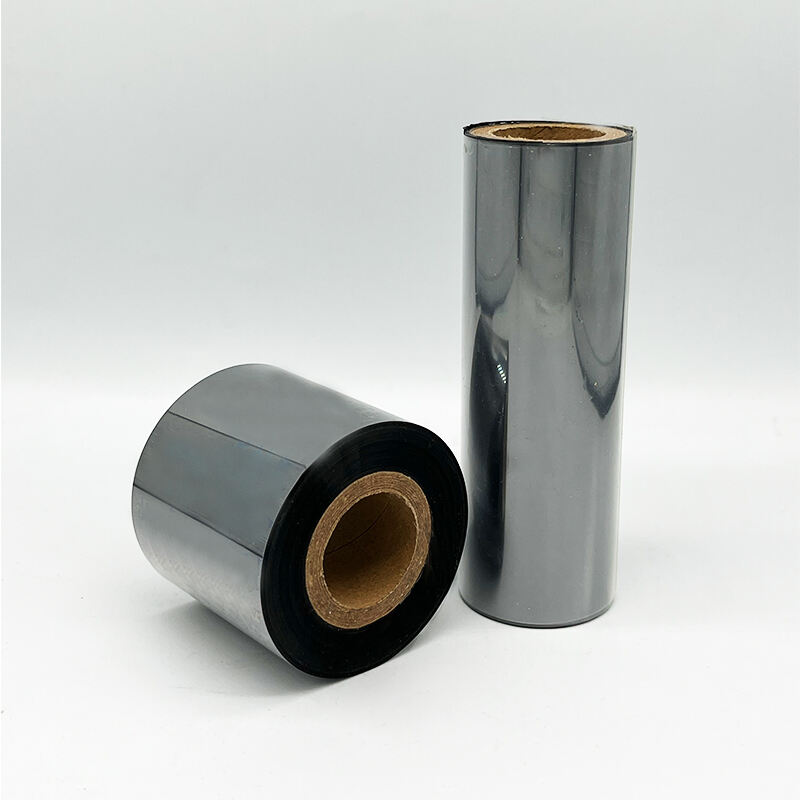
Resin thermal transfer ribbons come from synthetic polymers designed to hold up against tough conditions without losing print quality. These differ from wax-based alternatives because they contain pure resin ink that actually sticks to materials such as polyester or polypropylene when printed thermally. The way these materials bond together gives the final product much better protection against things like solvents, oil spills, and really hot temperatures (sometimes even reaching around 300 degrees Fahrenheit). Because of this durability, many companies choose resin ribbons for their barcode labels whenever working with chemicals or handling dangerous substances.
Role of Resin Ribbons in Producing Durable, Barcode-Ready Labels
Heating causes the resin layer to melt and stick firmly to whatever surface the label is applied to, which makes the printed text and barcodes really tough against wear and tear. Even when these labels get hit with harsh industrial cleaners or come into contact with corrosive materials, they still stay readable. According to a recent thermal printing study from 2024, labels made with pure resin maintained about 98% of their original clarity after sitting submerged in benzene for half a year. That's pretty impressive compared to those mixed wax-resin options which only managed around 36% legibility under similar conditions.
Comparison with Wax and Wax/Resin Ribbons: Why Resin Excels in Harsh Conditions
| Characteristic | Resin Ribbons | Wax/Resin Hybrids | Wax Ribbons |
|---|---|---|---|
| Chemical Resistance | Highest (Withstands pH 1-14) | Moderate (pH 3-11) | Low (Degrades in pH extremes) |
| Print Longevity | 3-5 years outdoors | 1-2 years | 3-6 months |
| Suitable Environments | Chemical drums, outdoor tanks | Indoor industrial labels | Retail shelf tags |
Resin ribbons maintain adhesion where wax-based prints fail, thanks to their cross-linked polymer structure that resists plasticizer migration—a common issue with hybrid ribbons under continuous chemical exposure. This reliability is critical in demanding settings such as those governed by GHS standards.
Superior Chemical Resistance: Performance in Industrial and Hazardous Environments
Resistance to Solvents, Acids, and Caustic Substances in Chemical Manufacturing
For serious industrial labeling needs, resin ribbons really shine because they stand up to over seventy different harsh chemicals. Think about stuff like sulfuric acid, sodium hydroxide, and even acetone which can eat through regular labels in no time. What makes these ribbons special is how they actually form a permanent bond with synthetic surfaces, so the labels just won't come off easily. According to last year's Material Degradation Study, labels printed with resin still look readable at around 98% clarity even after sitting in solvent environments for half a year straight inside those demanding pharmaceutical labs. That kind of performance matters a lot when accuracy and compliance are on the line.
Case Study: Long-Term Label Integrity on Chemical Drums Using Resin Ribbon Printing
In a two-year field evaluation at a chlor-alkali plant, resin-based labels outperformed wax alternatives by a 16:1 margin. Despite daily contact with chlorine vapor and fluctuating pH levels, 94% of scannable barcodes remained functional at 18 months—ensuring ongoing compliance with GHS requirements and reducing risks of misidentification.
Balancing Cost vs. Longevity: The ROI of Resin in High-Risk Labeling Applications
Resin ribbons might set manufacturers back around 30 to 40 percent upfront compared to regular wax-resin blends, but they last anywhere from three to five times longer. When looking at the big picture over about three years, companies actually save about 22% on overall costs according to research published in Chemical Processing Journal last year. This matters especially for expensive equipment like reagent storage tanks or containers handling biological hazards where labels need to stay intact. The extra durability means fewer relabeling jobs down the road. Some facilities have reported saving hundreds of thousands of dollars simply because their labels didn't start peeling off after just a few months in harsh environments.
Meeting GHS and OSHA Compliance with Chemically Resistant Barcode Labels
Resin ribbon labels meet OSHA Standard 1910.1200 and GHS Revision 9 criteria for permanent hazard communication. Facilities using resin-based systems have seen a 67% reduction in compliance violations compared to those using wax labels—an important advantage given the average OSHA fine of $13,653 for labeling infractions.
Durability Beyond Chemicals: UV, Moisture, and Abrasion Resistance in Extreme Conditions
Performance of Resin-Printed Labels in Outdoor, Humid, and High-Wear Settings
Resin-printed labels resist fading from UV radiation due to built-in polymer stabilizers that prevent photodegradation, as noted in the UV-Resistant Materials Study. In humid environments like cold storage or coastal sites, their hydrophobic nature prevents smudging, ensuring barcodes stay scannable despite constant moisture exposure.
Long-Term Print Stability on Drums, Tanks, and Industrial Containers
Resin ink forms strong bonds with synthetic materials, making it stand up well against temperature changes and physical wear over time. Recent tests on chemical storage tanks placed outdoors found that labels printed with resin remained readable at around 98% after five years. That's pretty impressive when compared to wax-resin options, which only managed about 60% adhesion strength according to the same 2023 study. Looking at material lifespan research, we see similar results where resistance to UV light and water breakdown directly affects how long assets stay functional in real world conditions.
Resistance to Fading, Smudging, and Peeling Under Environmental Stress
Thanks to its cross-linked structure, resin protects against key failure modes:
- Abrasion from conveyor handling or rough transport
- Exposure to automotive or pharmaceutical solvents
- Temperature swings from -40°F to 302°F without cracking
This resilience reduces maintenance and relabeling expenses—especially vital in industries where OSHA requires permanent identification on hazardous containers.
Optimal Material Pairing: Matching Resin Ribbons with Synthetic Label Substrates
Why Polyester, Polypropylene, and Vinyl Require Resin for Permanent Adhesion
Materials such as polyester (PET), polypropylene (PP) and vinyl are non porous, so regular inks just won't stick to them properly. That's where resin ribbons come into play. They create bonds at the molecular level through chemical fusion, which makes them really tough against things like solvents, physical wear and extreme temperatures. The latest data from the Material Compatibility Index shows that resin based solutions actually boost adhesion on these synthetic surfaces about 78 percent better than traditional wax resin combinations. For companies relying on long lasting barcode labels in harsh environments, this kind of durability is absolutely critical when those labels need to stay readable for several years without fading or peeling off.
Achieving Maximum Bond Strength: Substrate and Ribbon Compatibility Guide
Effective pairing depends on three factors:
- Substrate texture — Smooth vinyl needs higher resin density than textured PP
- Print temperature — Polyester labels require precise heat settings (140–160°C) to activate bonding
- Chemical exposure — Caustic environments demand UL-certified resin formulations
Proper matching reduces replacement costs by $21 per 1,000 units in chemical logistics operations.
Avoiding Label Failure: Common Mistakes in Ribbon and Material Selection
Over 62% of early label failures stem from mismatched components, per a comprehensive printer settings guide. Frequent errors include:
- Applying wax ribbons to synthetic surfaces (39% failure rate within six months)
- Ignoring recommended dwell times during application
- Overlooking UV stabilization for outdoor polypropylene labels
The 2024 Material Compatibility Index shows companies using matched resin-synthetic combinations achieve 91% first-pass barcode scan success, compared to 63% with wax-resin pairs.
Key Industrial Applications and Growing Demand for Resin-Based Barcode Labeling
Critical Use Cases in Pharmaceutical, Chemical, and Hazardous Material Handling
Resin based barcode ribbons play a really important role in keeping track of medications through cold storage systems. These labels can handle pretty extreme temperature changes from as low as minus twenty degrees Celsius all the way up to sixty without losing their ability to be scanned properly. When it comes to chemical production facilities, these same resin labels stick around on containers holding stuff like acetone and sulfuric acid for well over five years without fading away. According to research published in the 2025 Material Durability Study, after sitting in harsh environments for eighteen months straight, resin labels still showed about 98 percent readability compared to just 35 percent for those old wax type alternatives. That makes them much more reliable when dealing with dangerous substances where clear labeling is absolutely critical for worker safety.
Ensuring Traceability and Safety with Durable Barcode Ribbon Labels
Manufacturers rely on resin ribbons to produce GHS/OSHA-compliant pictograms and RFID-readable barcodes on hazardous containers. This dual approach cuts mislabeling incidents by 41% (Occupational Safety Council, 2024) and enables real-time tracking across large inventories (>10,000 SKUs).
Market Trends: Rising Need for Resilient Labeling Solutions in B2B Sectors
The global resin ribbon market is projected to grow at a 9.8% CAGR through 2033, fueled by pharmaceutical automation and industrial expansion in the Asia-Pacific region. Over 72% of chemical plants now prioritize resin-compatible synthetic label substrates to comply with new EU tracking mandates, opening a $740 million opportunity for durable labeling solutions.
FAQ
What are resin ribbons?
Resin ribbons are made from synthetic polymers and designed for durable labeling under tough conditions. Unlike wax-based ribbons, they contain pure resin ink that sticks to materials like polyester or polypropylene, offering superior resistance to chemicals and high temperatures.
How do resin ribbons differ from wax resin hybrid ribbons?
Resin ribbons provide higher chemical resistance and longer print longevity compared to wax/resin hybrids. While resin ribbons can withstand pH levels from 1 to 14 and last 3-5 years outdoors, hybrids offer moderate chemical resistance and last 1-2 years.
Why are resin ribbons the preferred choice for industrial labeling?
Resin ribbons create durable, barcode-ready labels that resist wear from harsh industrial cleaners, solvents, and corrosive materials. They're optimal for environments governed by strict safety standards, ensuring compliance and reducing risks of misidentification.
Where are resin ribbons used?
Resin ribbons are ideal for applications in chemical drums, pharmaceutical containers, and hazardous material handling, where long-lasting labels are required for safety and regulatory compliance.
What should I consider when pairing resin ribbons with label substrates?
When pairing resin ribbons with synthetic labels, consider substrate texture, print temperature, and chemical exposure. Proper matching ensures maximum bond strength and reduces replacement costs in industrial settings.
Table of Contents
- Definition and Composition of Resin Thermal Transfer Ribbons
- Role of Resin Ribbons in Producing Durable, Barcode-Ready Labels
- Comparison with Wax and Wax/Resin Ribbons: Why Resin Excels in Harsh Conditions
-
Superior Chemical Resistance: Performance in Industrial and Hazardous Environments
- Resistance to Solvents, Acids, and Caustic Substances in Chemical Manufacturing
- Case Study: Long-Term Label Integrity on Chemical Drums Using Resin Ribbon Printing
- Balancing Cost vs. Longevity: The ROI of Resin in High-Risk Labeling Applications
- Meeting GHS and OSHA Compliance with Chemically Resistant Barcode Labels
- Durability Beyond Chemicals: UV, Moisture, and Abrasion Resistance in Extreme Conditions
- Optimal Material Pairing: Matching Resin Ribbons with Synthetic Label Substrates
- Key Industrial Applications and Growing Demand for Resin-Based Barcode Labeling
- FAQ